

 By
By [ad_1]
The Science of Strains: How Genetics Influence Cannabis Growth and Potency
Cannabis has evolved from a plant with a single purpose—industrial and medicinal use—to an extensive array of strains tailored for specific effects, flavors, and growth patterns. At the heart of this evolution lies the science of genetics, which greatly influences all aspects of the cannabis plant, from its growth habits to its chemical constituents and potency.
Understanding Cannabis Genetics
Cannabis contains three primary species: Cannabis sativa, Cannabis indica, and Cannabis ruderalis. Each species exhibits distinct growth characteristics and effects, largely attributable to their genetic composition.
Cannabis Sativa: Originally from equatorial regions, sativa strains typically grow tall with long, thin leaves. They thrive in warm climates and tend to have higher THC (tetrahydrocannabinol) levels than CBD (cannabidiol). Sativa strains are often associated with uplifting and energizing effects.
Cannabis Indica: Originating from cooler, mountainous areas, indica strains are generally shorter and bushier than sativas. Their leaves are broader, and they typically flower faster. Indicas often have a higher CBD content than sativas, leading to sedative effects, making them popular for nighttime use.
Cannabis Ruderalis: This less common species is primarily known for its auto-flowering capability, which means it begins to flower based on age rather than light cycles. Ruderalis plants are usually low in THC and CBD, but when bred with sativa or indica, they can impart desirable growth traits, making them useful in hybrid strains.
The Role of Hybridization
The cannabis industry has exploded with hybrid strains created by geneticists and cultivators determined to produce plants with unique characteristics. Hybridization combines the properties of different species or strains to create plants tailored for optimal growth, yield, flavor, and effects.
For instance, crossing a robust cannabis sativa with a potent indica can result in a hybrid that provides both uplifting effects and relaxation. Geneticists are continually exploring the cannabis genome to create hybrids that cater to individual preferences or therapeutic needs. Some hybrids are designed for specific medical conditions, while others may focus on maximizing flavor profiles.
Cannabinoids and Terpenes: Genetic Expression
The genetic makeup of cannabis plants directly influences the expression of cannabinoids and terpenes. Cannabinoids are the active compounds that interact with the body’s endocannabinoid system, with THC and CBD being the most well-known. The potency of a strain can vary significantly based on its genetic lineage, with some hybrids engineered to contain 30% THC or more, while others focus on high CBD concentrations.
Terpenes are aromatic compounds found in many plants, including cannabis, contributing to the inviting flavors and scents associated with different strains. They not only enhance the sensory experience but also interact with cannabinoids, creating what is known as the "entourage effect." This phenomenon amplifies the therapeutic properties of cannabinoids, leading to improved efficacy for medical users. Some common terpenes include myrcene (which can promote relaxation), limonene (linked to mood enhancement), and pinene (with potential anti-inflammatory effects).
Environmental Factors and Genetic Expression
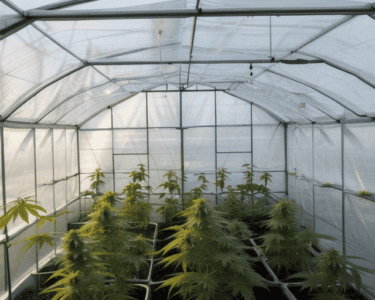
While genetics plays a crucial role in determining a plant’s characteristics, environmental factors cannot be overlooked. Growth conditions such as light, temperature, humidity, and soil composition can greatly influence the expression of a strain’s genetic traits.
For example, sativa plants generally thrive in warm, sunny conditions, which can enhance their overall growth and potency. Conversely, indica plants prefer cooler environments, and deviating from these conditions can result in stressed plants with lower yields and compromised quality.
Cultivators who can master these environmental factors in conjunction with understanding genetic traits will produce consistent, high-quality cannabis. Advanced techniques like selective breeding, cloning, and tissue culture are employed to ensure that desirable traits are retained across generations.
The Future of Cannabis Genetics
The future of cannabis cultivation looks towards a more scientific approach to strain development. Genetic analysis is becoming increasingly popular, allowing growers and breeders to identify specific traits within cannabis plants. Advanced technologies—like CRISPR gene editing—hold promise in enhancing desirable characteristics without the lengthy processes associated with traditional breeding.
Moreover, the movement towards legalization in many regions has accelerated research, providing scientists the opportunity to deep dive into the cannabis genome. This could lead to the development of new strains with specialized properties, perhaps even addressing specific health conditions more effectively.
FAQs
1. What is the difference between hybrid, indica, and sativa strains?
Indica strains tend to be shorter, bushier, and provide relaxing effects, making them suitable for nighttime use. Sativa strains are taller and known for their energizing effects, ideal for daytime use. Hybrid strains combine traits from both indica and sativa, offering diverse experiences depending on the genetics involved.
2. How do cannabinoids and terpenes interact?
Cannabinoids affect the endocannabinoid system in the body, while terpenes contribute to the plant’s aroma and flavor. Together, they create the entourage effect, where terpenes can enhance the therapeutic benefits of cannabinoids when they are consumed together.
3. Do environmental factors affect cannabis growth?
Yes, environmental factors like light, temperature, humidity, and soil composition significantly influence cannabis growth. Optimizing these conditions can lead to healthier plants and better yields.
4. Can cannabis genetics be modified?
Yes, genetic modification techniques, including selective breeding and CRISPR gene editing, are being explored to enhance desirable traits in cannabis plants while maintaining their natural characteristics.
5. How can I determine the potency of a cannabis strain?
Potency can be determined through lab testing that measures the THC and CBD levels in a strain. Additionally, the presence of specific terpenes can also provide insights into a strain’s potential effects.
As the understanding of cannabis genetics continues to evolve, it offers exciting possibilities for both recreational users and those seeking therapeutic benefits. The science behind cannabis strains is complex, yet it underscores the rich potential within this versatile plant.
[ad_2]