
 By
By CBD: A Natural Ally in Pain Management in the United States
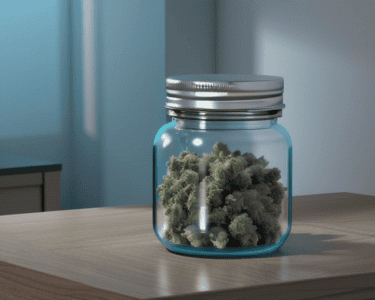
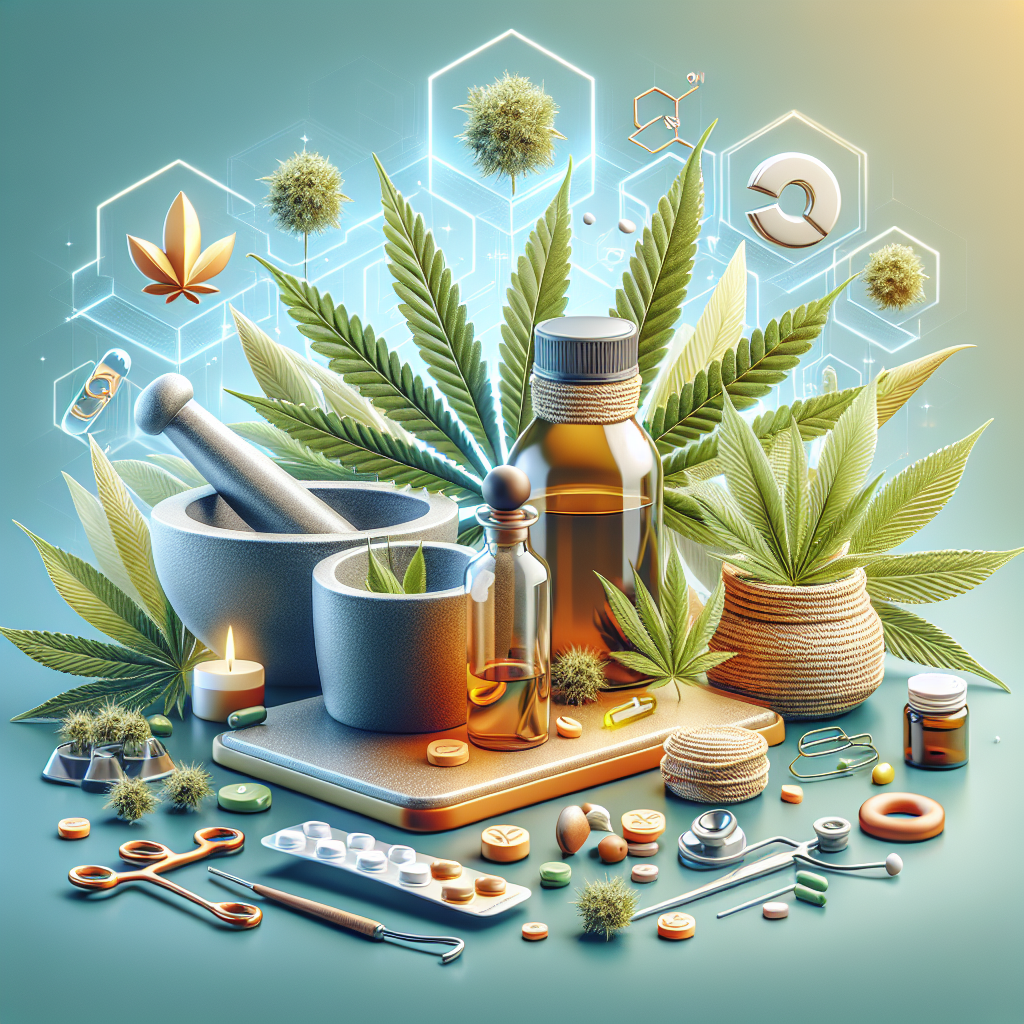
In recent years, Cannabidiol (CBD) has surged in popularity across the United States, captivating both consumers and researchers alike with its potential therapeutic benefits. Derived from the hemp plant, CBD is one of over a hundred cannabinoids found in cannabis but stands out due to its non-psychoactive properties. This means it doesn’t produce the "high" commonly associated with cannabis use. As chronic pain conditions increasingly affect millions of Americans, CBD has emerged as a promising natural alternative for pain management, sparking significant interest and debate in both medical and public spheres.
Understanding CBD and Its Mechanisms
CBD interacts with the body’s endocannabinoid system (ECS), a complex network of receptors and neurotransmitters that play a crucial role in regulating various physiological processes, including pain perception, mood, and inflammation. The ECS consists of two main types of receptors: CB1, predominantly found in the brain and central nervous system, and CB2, primarily located in peripheral tissues and the immune system. Research indicates that CBD can help modulate the pain response by influencing these receptors and promoting a balance of the ECS.
Preclinical studies have demonstrated CBD’s anti-inflammatory and analgesic properties, leading to increased interest from both healthcare providers and patients seeking relief from conditions such as arthritis, fibromyalgia, and multiple sclerosis. A growing body of anecdotal evidence from users claims success in reducing pain levels and improving overall quality of life. However, it’s important to note that while these early findings are promising, more extensive clinical trials are necessary to better understand the effectiveness and safety of CBD for pain management.
Current Trends and Evidence
The landscape of CBD use in the United States has evolved dramatically since the 2018 Farm Bill legalized hemp-derived CBD. As of late 2023, the CBD market is projected to surpass $20 billion by 2024, reflecting a shift in public perception regarding cannabis-based therapeutics. Additionally, various states have begun to embrace CBD for therapeutic use, with some integrating it into their health care frameworks.
Current evidence involving CBD and pain management includes various studies that highlight its efficacy. A notable double-blind, placebo-controlled study published in The Journal of Pain found that participants with chronic pain who used CBD oil reported significant reductions in pain intensity and improvement in functional mobility. Furthermore, researchers from the University of California, San Diego, have conducted trials indicating that CBD can relieve neuropathic pain, offering hope to patients suffering from conditions like diabetic neuropathy.
Despite these advancements, the regulatory landscape surrounding CBD remains complex, with the FDA still working toward establishing clear guidelines for its use in therapeutic settings. In February 2023, the FDA issued a warning against the unapproved use of CBD in food products and dietary supplements, citing safety concerns and the lack of sufficient clinical evidence. This regulatory caution underscores the importance of continued research to elucidate the potential risks and benefits of CBD.
Expert Insights
Leading experts in pain management recognize the potential of CBD as an adjunct tool in comprehensive pain treatment plans. Dr. Hedy Kober, a prominent researcher at Yale University, emphasizes that while CBD should not replace traditional pain medications, it can be a valuable option for patients seeking alternatives amid the opioid crisis. “Patients are looking for natural alternatives to manage their pain, especially given the adverse effects associated with opioids,” Dr. Kober explains.
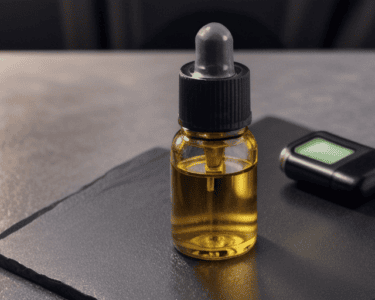
Moreover, the diversity of CBD products available—ranging from oils and edibles to topical creams—allows for tailored approaches to individual needs. For instance, while oils and edibles may provide systemic relief, topical applications are often preferred for localized pain, allowing patients to target areas directly. The wide range of formulations also means that individuals can experiment with dosages to find what works best for them, further empowering patients in their pain management journeys.
The Patient Perspective
From a patient’s viewpoint, the story of CBD is one of hope and healing. Many individuals have noted substantial improvements in their conditions, expressing gratitude for a natural remedy that may carry fewer side effects than conventional treatments. Users report enhanced sleep quality, reduced anxiety, and improved overall well-being, facets often intertwined with chronic pain issues. These subjective accounts reveal the transformative potential of CBD as a holistic approach to health.
However, it is critical for consumers to approach CBD with careful consideration, ensuring they source quality products from reputable companies. The market is inundated with various offerings, and not all products are created equal. Independent lab testing and transparent labeling can help consumers make informed choices regarding potency, purity, and safety.
Conclusion
As the conversation surrounding CBD continues to evolve, it undeniably represents a significant move towards embracing natural remedies in pain management. While the current body of research shows promise, more comprehensive studies are needed to establish standardized guidelines for usage. The potential for CBD to alleviate suffering and improve quality of life makes it a topic worth exploring, particularly as a part of broader treatment strategies in the fight against chronic pain.
As society navigates the complex web of pain management options, the increasing acceptance of CBD highlights a shift toward more integrative health practices. For many, the path to relief may lie in this natural ally, encouraging a future where effective pain management doesn’t have to come at the cost of one’s overall health and well-being. As we look ahead, it’s essential for ongoing dialogue between researchers, healthcare providers, and patients to ensure that the promise of CBD is fully realized in safe and effective ways.