

 By
Australians Embrace Holistic Preventative Care
Australian consumers are moving away from purely fitness-focused routines toward highly personalised, holistic preventative care. This new approach addresses mental, emotional, and physical wellbeing simultaneously.
Industry data indicates that more than 80 percent of Australians now use vitamins or dietary supplements at least occasionally. Nearly 40 percent incorporate them into their strict daily self-care rituals.
Roughly 70 percent of the Australian population actively utilises some form of complementary medicine or natural therapy as a core component of their health management. The Australian complementary medicine industry has reached an estimated valuation of 6.5 billion dollars.
As conversations around mental health and burnout become more open, people are actively seeking natural interventions to support their demanding lifestyles. Relaxation techniques and plant therapies are highly valued in modern wellness routines.
The shift elevates previously fringe concepts into the mainstream spotlight. The modern Australian wellness routine looks remarkably different than it did just a decade ago.
Regulation Opens Pharmacist Guided Access
The Therapeutic Goods Administration, known as the TGA, has played a pivotal role in this transition. The local natural health sector is currently supported by 86 specialised manufacturing facilities licensed by the TGA.
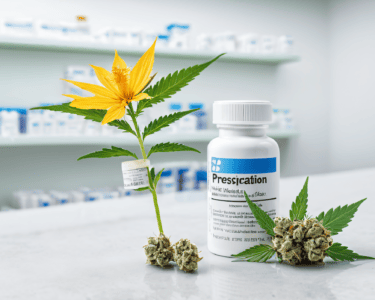
In recent years, low-dose CBD was down-scheduled by the TGA to a Schedule 3 over-the-counter medicine. This landmark decision paved the way for pharmacist-guided access to regulated plant therapies, removing much of the stigma that previously surrounded medicinal cannabis.
Regulatory bodies like Ahpra have increasingly emphasised the necessity of personalised clinical supervision.
Patients must access specialised care through the Special Access Scheme or Authorised Prescriber pathways. These secure avenues guarantee that the medicine dispensed meets rigorous national standards.
The Australian medical cannabis market is projected to grow at a compound annual growth rate of 13.1 percent. This trajectory is expected to push the market valuation beyond 2.6 billion dollars by 2035.
Research Backs CBD For Stress And Sleep
Leading Australian university research centres are providing critical insights into how plant medicine can manage modern stressors and sleep disturbances. The CAMS-20 survey, conducted by the Lambert Initiative for Cannabinoid Therapeutics at the University of Sydney, illuminated the widespread use of plant therapies among Australians seeking relief from chronic conditions.
A recent clinical trial conducted by the Woolcock Institute in partnership with the Lambert Initiative is testing a pharmaceutical-grade formulation to help individuals with chronic insomnia. Researchers highlight that CBD has an increasingly well-described range of therapeutic actions including anti-anxiety properties.
Clinical research consistently demonstrates that oral CBD therapies offer slow-onset, long-lasting anti-anxiety and anti-inflammatory properties. Unlike THC, CBD does not cause intoxication.
The NICM Health Research Institute at Western Sydney University continues to evaluate the efficacy of mind-body practices and natural therapeutics. This research positions natural therapies as an alternative to traditional pharmacological treatments such as benzodiazepines, which often come with grogginess and an increased risk of dependency.