By
By CBD and Fitness: How Cannabidiol Can Boost Recovery and Performance in the United States
In recent years, Cannabidiol (CBD) has gained significant traction in the health and wellness industry, particularly within the fitness community. As athletes and fitness enthusiasts seek natural alternatives to enhance performance and expedite recovery, CBD has emerged as a promising supplement worth exploring. Despite the ongoing debates surrounding cannabis legalization, the growing body of research supports the potential benefits of CBD for physical health and performance.
Understanding CBD
CBD is a non-psychoactive compound derived from the cannabis plant, including both hemp and marijuana varieties. Unlike its notorious counterpart, tetrahydrocannabinol (THC), CBD does not induce a “high.” Instead, it interacts with the body’s endocannabinoid system (ECS), a complex network of receptors that regulate multiple physiological processes, including pain, mood, and inflammation.
The Fitness Connection
The intersection of CBD and fitness primarily revolves around two significant aspects: recovery and performance. Here’s how CBD can potentially impact these areas:
1. Enhanced Recovery
After an intense workout or competition, the body often requires time to recuperate. Muscle soreness, inflammation, and fatigue can hinder this recovery process. Research indicates that CBD possesses anti-inflammatory properties, which can alleviate post-workout discomfort. A study published in the Journal of Pain Research found that CBD reduced inflammation and helped manage pain in subjects with chronic pain, suggesting similar benefits for athletes experiencing soreness.
Additionally, CBD’s ability to promote sleep is another factor that supports recovery. Quality sleep is essential for muscle repair and overall performance. A study from the Journal of Clinical Psychology indicated that CBD improved sleep quality in individuals with insomnia. Athletes who incorporate CBD into their routines may experience more restful nights, leading to better recovery outcomes.
2. Improved Performance
While the effects of CBD on performance are still under investigation, some preliminary evidence suggests that it may help improve focus and reduce performance anxiety. Fitness activities often produce stress, not only physically but mentally. Athletes may experience nerves or anxiety before competitions or during important events.
A study in the Journal of Psychopharmacology noted that CBD could reduce anticipatory anxiety, allowing athletes to perform at their best by alleviating the mental barriers that may interfere with optimal performance. This reduction in anxiety can lead to improved concentration during workouts and competitions, making it easier for athletes to push their limits.
Choosing the Right Product
As the popularity of CBD rises, so does the variety of products available on the market. From oils and tinctures to edibles, topicals, and capsules, athletes face the challenge of selecting the right format that aligns with their fitness goals and lifestyle.
-
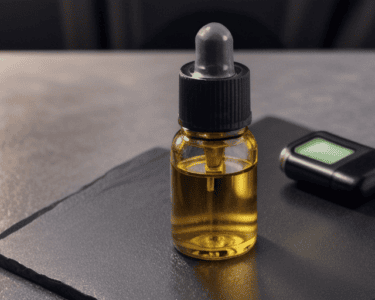
Oils and tinctures: These are ideal for quick absorption and customizable dosage. Athletes can adjust the amount based on individual needs, whether for anxiety relief or muscle recovery.
-
Topicals: Creams and balms infused with CBD can be applied directly to sore muscles or joints, providing localized relief without systemic effects.
- Edibles: Gummies and other edibles offer a convenient and discreet way to consume CBD, although they may take longer to manifest effects compared to oils.
Regardless of the method chosen, athletes should prioritize products that are third-party tested for purity and potency to ensure they are free from contaminants and contain the advertised amount of CBD.
Legal Aspects and Considerations
In the United States, hemp-derived CBD products containing less than 0.3% THC are legal at the federal level, thanks to the 2018 Farm Bill. However, state laws vary, and athletes should ensure compliance with any regulations pertaining to CBD use, especially when competing in regulated sports. Organizations like the World Anti-Doping Agency (WADA) have removed CBD from their list of prohibited substances, allowing athletes to incorporate it without risking suspension.
Research and Future Insights
Despite promising anecdotal evidence and a growing body of studies, more extensive research is needed to conclusively determine the precise benefits of CBD for fitness. Studies examining the long-term effects of CBD on athletic performance and recovery are still in the early stages, and the fitness industry awaits further findings.
Athletes and fitness enthusiasts should approach CBD with an open but cautious mindset. Consulting with healthcare professionals familiar with CBD is crucial, especially for those with existing medical conditions or those taking other medications.
Conclusion
As the fitness community continues to explore innovative ways to enhance performance and recovery, CBD stands at the forefront of this movement. With its potential anti-inflammatory properties, ability to promote better sleep, and management of anxiety, CBD may offer athletes a natural supplement to help reach their fitness goals. However, as with any supplement, personal experiences will vary, and thorough research is essential. As regulations evolve and more studies emerge, the future of CBD in fitness will likely become clearer, offering exciting possibilities for athletes seeking holistic approaches to health and performance.