 By
By [ad_1]
In recent years, the conversation surrounding mental health and emotional well-being has gained renewed urgency in the United States. The prevalence of stress and anxiety-related disorders has surged, exacerbated by the tumultuous events of recent years, including the COVID-19 pandemic. In this landscape, many individuals are turning to natural remedies to alleviate their symptoms and achieve a sense of calm. Cannabidiol, commonly known as CBD, has emerged as a popular option. This non-psychoactive compound derived from cannabis offers potential therapeutic benefits without the intoxicating effects associated with THC (tetrahydrocannabinol). As public awareness of CBD grows, many are curious about its effectiveness as a remedy for stress and anxiety.
Understanding CBD and Its Mechanism
CBD is one of over a hundred cannabinoids found in the cannabis plant, but unlike THC, it does not induce a “high.” Instead, CBD interacts with the body’s endocannabinoid system (ECS), a complex network of receptors that plays a crucial role in regulating various physiological processes, including mood, stress response, and emotional regulation. Research suggests that CBD may enhance the body’s natural ability to manage stress and anxiety by influencing serotonin levels, a neurotransmitter that significantly contributes to feelings of well-being. This has sparked interest in CBD as a potential adjunct to traditional therapies for managing anxiety disorders.
Recent studies have revealed promising insights into CBD’s effectiveness. For instance, a systematic review published in 2021 in the journal Frontiers in Psychology concluded that CBD increased subjective anxiety in individuals experiencing anxiety and stress. While further research is required, these findings point towards a hopeful future for CBD as a natural agent to manage anxiety.
Current Trends in CBD Use
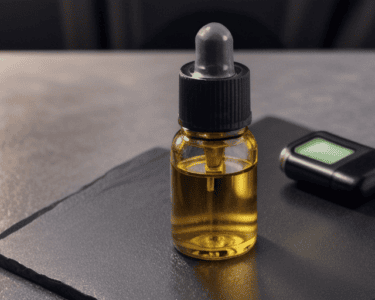
The landscape of CBD consumption has undergone a transformation, evolving from niche markets to mainstream acceptance. As of 2023, surveys indicate that nearly 33% of adults in the United States have tried CBD products, with many citing anxiety and stress relief as primary reasons for use. This shift is reflected in the flourishing CBD market, with products ranging from oils and tinctures to edibles and topical applications. Industry experts project that the U.S. CBD market will surpass $20 billion by 2024, underlining its growing acceptance and popularity.
The ease of access to CBD products, largely due to the 2018 Farm Bill that legalized hemp-derived CBD, has further contributed to its rise. Retailers, health stores, and online platforms have made it simpler for consumers to experiment with CBD for their anxiety and stress relief needs. However, with increased availability, consumers are encouraged to practice due diligence by choosing high-quality products that have undergone third-party testing to ensure safety and efficacy.
Addressing the Uncertainties and Misconceptions
Despite the growing enthusiasm around CBD, many misconceptions still exist. One common concern is the potential for addiction or dependency. CBD is generally considered safe, with research indicating minimal side effects, and it is not associated with the addictive properties of THC. However, the lack of comprehensive regulations in the CBD industry has led to inconsistencies in product labeling and quality. Consumers should exercise caution and consult healthcare professionals before beginning any new supplement regimen, especially if they are already on medication for anxiety or other conditions.
In addition, some people may mistakenly believe that taking CBD will automatically lead to reduced anxiety. Like any treatment, the effectiveness of CBD can vary from person to person. Factors such as dosage, individual biochemistry, and the presence of specific anxiety disorders can influence outcomes. It is essential for individuals to engage in conversations with healthcare providers to tailor a treatment plan that aligns with their unique needs.
The Role of Education and Expert Insights
As science continues to unfold the potential benefits and limitations of CBD, education is vital for the consumer base. Experts advocate for an informed approach to using CBD, urging individuals to be aware that while CBD can serve as a helpful tool for some, it is not a panacea for stress and anxiety. Dr. Matthew Halpert, a prominent researcher in cannabinoid studies, emphasizes the importance of incorporating CBD as part of a broader strategy that may include lifestyle changes, therapy, and other medical interventions.
In addition to personal experiences shared on social media platforms, numerous mental health professionals are beginning to recognize CBD’s potential. Some therapists and psychologists are even exploring the incorporation of CBD into their practices as a complementary option for clients seeking holistic treatment approaches.
Conclusion: A Thoughtful Approach to Wellness
In a world increasingly plagued by stress and anxiety, CBD presents an intriguing option for those looking for alternatives to traditional pharmaceuticals. With ongoing research and an ever-expanding market, CBD stands as a potential natural ally in managing symptoms of anxiety. However, as its popularity continues to rise, it is crucial for consumers to approach it with mindfulness and caution.
The journey toward mental wellness is highly individualistic, and while CBD may provide relief for some, it may not be the answer for everyone. Engaging with healthcare professionals, conducting thorough research, and making informed choices can help individuals navigate their paths to emotional well-being. As we continue to explore the boundaries of mental health treatments, CBD may very well be a promising player—but it is essential to remain committed to a comprehensive and informed approach to health and wellness. The pursuit of tranquility and balance in life is an ongoing process, and with careful consideration, CBD could become an integral part of that journey.
[ad_2]