
 By
By [ad_1]
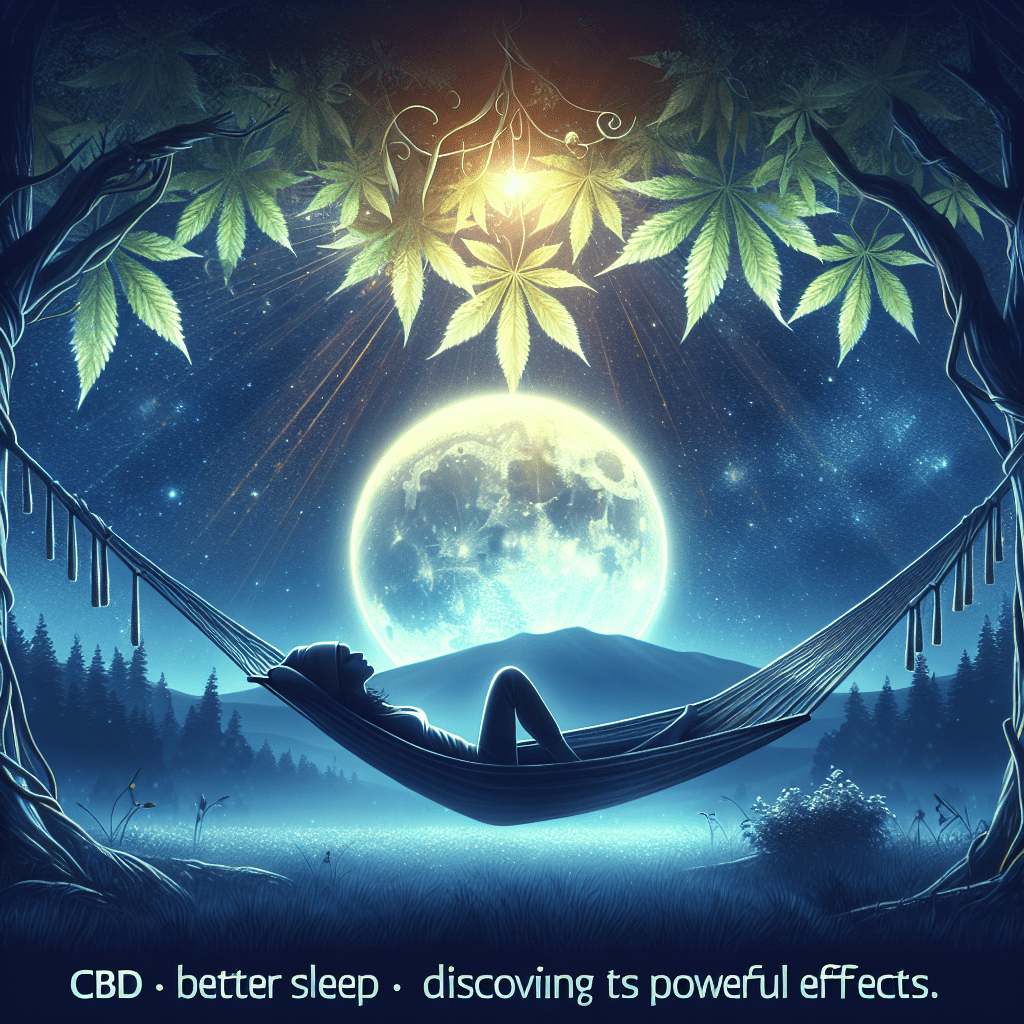
CBD for Better Sleep: Discovering Its Powerful Effects in the United States
Sleep is an essential component of overall health and well-being, yet millions of Americans struggle with sleep disorders. Insomnia, restless leg syndrome, and chronic sleep deprivation have become common issues, prompting many to seek out alternative solutions. Among the various remedies available, Cannabidiol, commonly known as CBD, has garnered attention as a potential aid for better sleep. This article explores the mechanisms behind CBD’s effects on sleep, current research findings, and the broader implications in the United States.
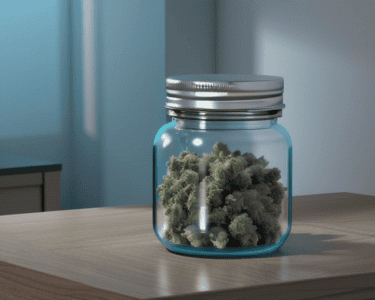
CBD is a non-psychoactive compound derived from the Cannabis sativa plant. Unlike THC, which is responsible for the marijuana “high,” CBD offers therapeutic benefits without intoxication. This distinction makes it particularly appealing for those who are cautious about using traditional cannabis products. The increased legalization of hemp-derived CBD products across the U.S. has fueled curiosity and interest among individuals seeking natural remedies for sleep-related issues. As of now, a growing number of states have enacted legislation to legalize CBD, making it more accessible than ever.
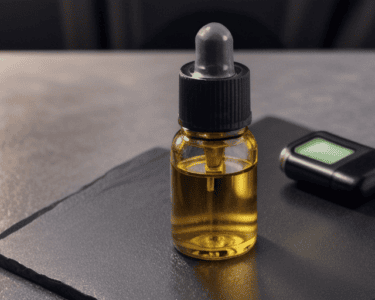
Recent research sheds light on the diverse effects of CBD, particularly concerning sleep. A 2020 study published in “The Journal of Clinical Pharmacology” examined the impact of CBD on sleep and anxiety. The researchers found that participants who ingested CBD reported improved sleep quality, reduced anxiety, and fewer instances of wakefulness during the night. These findings are encouraging, illustrating that CBD may address the underlying factors affecting sleep, rather than merely acting as a sedative. While the dosage and method of consumption can significantly influence the compound’s effectiveness, many people have reported positive experiences when using CBD oil, gummies, or capsules for enhancing sleep.
Despite the promising findings, comprehensive research on CBD’s long-term effects and ideal dosages remains limited. Regulatory hurdles and outdated perceptions of cannabis have historically impeded large-scale studies. However, 2021 marked a turning point, as the National Institutes of Health (NIH) allocated funding aimed at exploring CBD’s therapeutic uses. This funding signifies a growing acknowledgment of CBD’s potential in managing health issues, including sleep disorders. Experts suggest that we are likely to see an influx of studies examining how CBD interacts with sleep cycles, ultimately leading to clearer guidelines for usage.
The growing popularity of CBD for sleep can also be attributed to a cultural shift in attitudes towards cannabis. As societal stigma diminishes, health professionals are increasingly open to discussing and recommending cannabis-derived products for therapeutic purposes. Furthermore, numerous wellness brands have begun incorporating CBD into their offerings, targeting consumers eager for natural solutions. Products marketed specifically for sleep enhancement often include a blend of CBD with other natural sleep aids like melatonin and valerian root. This trend reflects a holistic approach to wellness, emphasizing not just the treatment of symptoms but enhancing overall quality of life.
Yet, amid the excitement around CBD, consumers should exercise caution. The CBD market is still relatively young and lacks standardized quality control processes. Individuals interested in trying CBD for sleep should prioritize purchasing products from reputable sources that provide third-party lab testing results. Transparency in labeling, including clear information about cannabinoid content and any potential contaminants, is crucial for ensuring safety and efficacy. Furthermore, consulting with a healthcare professional is recommended before incorporating CBD into one’s regimen, especially for those taking other medications.
As sleep issues affect approximately 70 million Americans, understanding the potential role of CBD is more important than ever. The compound’s ability to interact with the body’s endocannabinoid system suggests it may help regulate a variety of physiological processes, including mood and stress response, both of which can significantly influence sleep quality. Anecdotal evidence continues to support the idea that CBD can assist individuals in developing better sleep patterns.
Looking forward, as more data surfaces regarding CBD’s role in sleep management, its acceptance as a legitimate therapeutic option is likely to grow. Policymakers and health organizations must ensure that regulations keep pace with this evolving understanding. Furthermore, as the public becomes increasingly aware, educational initiatives can help demystify CBD and promote informed choices. Industry leaders also play a vital role by adhering to high manufacturing standards and ethical marketing practices to foster consumer trust.
In conclusion, CBD is emerging as a promising alternative for those seeking solutions for sleep problems. The combination of ongoing research and changing cultural attitudes toward cannabis is paving the way for informed conversations regarding its use. For those grappling with sleepless nights, CBD may offer a natural alternative to conventional treatments. As scientific validation continues to unfold, consumers should remain vigilant and informed, considering both the potential benefits and precautions associated with CBD. Ultimately, the path to restful sleep may lead us toward a newfound appreciation for this remarkable compound, transforming how we view sleep and wellness in an increasingly restless world.
Reflect on your own sleep quality and consider how a holistic approach, including the exploration of CBD, might lead to a more restful night. The journey to better sleep is personal, and as we adapt to new knowledge, the possibilities for improvement are limitless.
[ad_2]