 By
By CBD for Stress Relief and Emotional Balance in the United States
In recent years, cannabidiol (CBD) has surged into the mainstream consciousness, touted for its potential benefits, particularly in stress relief and emotional balance. With a growing body of research supporting its therapeutic properties, many individuals in the United States are turning to CBD as a natural alternative to traditional stress management techniques. This article explores the mechanisms by which CBD operates, its growing acceptance within the medical community, and the latest trends impacting its use.
Understanding CBD: The Basics
CBD is one of over 100 compounds found in the cannabis plant, specifically derived from hemp. Unlike its more famous counterpart, THC, CBD is non-psychoactive, which means it doesn’t produce the “high” associated with marijuana. This has made it an appealing option for people seeking stress relief and emotional stability without the intoxicating effects. In December 2018, the Farm Bill legalized hemp-derived CBD products in the U.S., leading to an explosion of CBD-based products available in shops and online.
As interest in CBD continues to expand, so does the need for information about how it interacts with the body’s endocannabinoid system — a complex network involved in regulating various physiological processes, including mood, stress response, and emotional regulation. This system plays a significant role in maintaining homeostasis, and preliminary studies suggest that CBD may enhance its function, thereby alleviating anxiety and promoting emotional balance.
The Science Behind CBD and Stress Relief
The scientific community has been actively investigating how CBD affects anxiety and stress levels. A 2020 systematic review published in The Journal of Cannabis Research reported that CBD exhibits potential anxiolytic (anxiety-reducing) properties. Studies have shown that CBD might inhibit the uptake of serotonin, a neurotransmitter that plays a vital role in mood regulation. As such, CBD may enhance serotonin signaling in the brain, leading to feelings of well-being and calmness.
Moreover, ongoing studies suggest that CBD may reduce the physical symptoms of stress, such as increased heart rate and blood pressure. The American Psychological Association notes that incorporating CBD into one’s wellness routine can be a viable strategy for dealing with everyday stressors. A recent survey indicated that 62% of CBD users reported using it for stress relief, which underscores its emerging role as a go-to option for those navigating a high-pressure environment.
Current Trends and Innovations
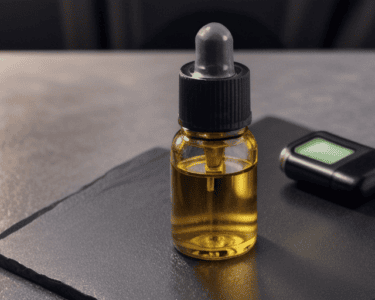
The CBD market is not only growing but rapidly evolving. From tinctures to edibles and topical creams, new product forms are hitting the shelves, catering to a diverse audience seeking stress relief. In 2023, the CBD industry is projected to reach over $57 billion, as reported by Grand View Research. This growth is being fueled by a notable increase in consumer awareness and knowledge.
Moreover, the COVID-19 pandemic has further propelled interest in CBD products as individuals grapple with heightened stress and anxiety levels. Mental health has become a focal point during and after the pandemic, with heightened demands for solutions that don’t come with the side effects commonly associated with pharmaceuticals. Businesses are responding by developing CBD products tailored specifically for stress relief, often combining CBD with other natural ingredients like ashwagandha, chamomile, and lavender to enhance their calming effects.
Expert Opinions and Consumer Caution
While experts generally agree on the promise of CBD for stress relief, the landscape is not devoid of caveats. Dr. Ethan Russo, a neurologist and pharmacologist, expresses optimism about CBD’s role in mental health treatment but stresses the importance of comprehensive research to fully understand its benefits and any potential interactions with other medications.
Moreover, consumer education is essential, as quality control within the CBD market can vary significantly. The Food and Drug Administration (FDA) has been working towards establishing more regulations, but a lack of standardization means that not all products are created equal. It’s crucial for consumers to do their homework, looking for third-party lab testing to ensure they’re purchasing safe and effective products.
Furthermore, while CBD might help alleviate stress, it is not a panacea. It is often most effective when combined with other lifestyle changes, such as regular exercise, a balanced diet, and mindfulness practices, including yoga and meditation. A holistic approach tends to yield the best results in maintaining emotional balance and managing stress.
Conclusion: A Future with CBD
As the conversation around CBD continues to evolve, its potential role in stress relief and emotional management remains a vital topic within both the medical community and popular culture. For many Americans, CBD offers a pathway to better emotional balance without the stigma associated with cannabis. However, as with any wellness trend, it is crucial to remain knowledgeable, cautious, and open to the possibilities.
Moving forward, we can anticipate further scientific advancements that will provide deeper insights into the efficacy and safety of CBD. In a world increasingly affected by stress, one thing is clear: the conversation around CBD is just beginning, and its potential benefits may be a game-changer for countless individuals seeking a more balanced and fulfilling life. As we embrace new therapeutic options, the emphasis should remain on informed choices, combining both traditional and modern techniques for navigating the complexities of our emotional landscapes.