
 By
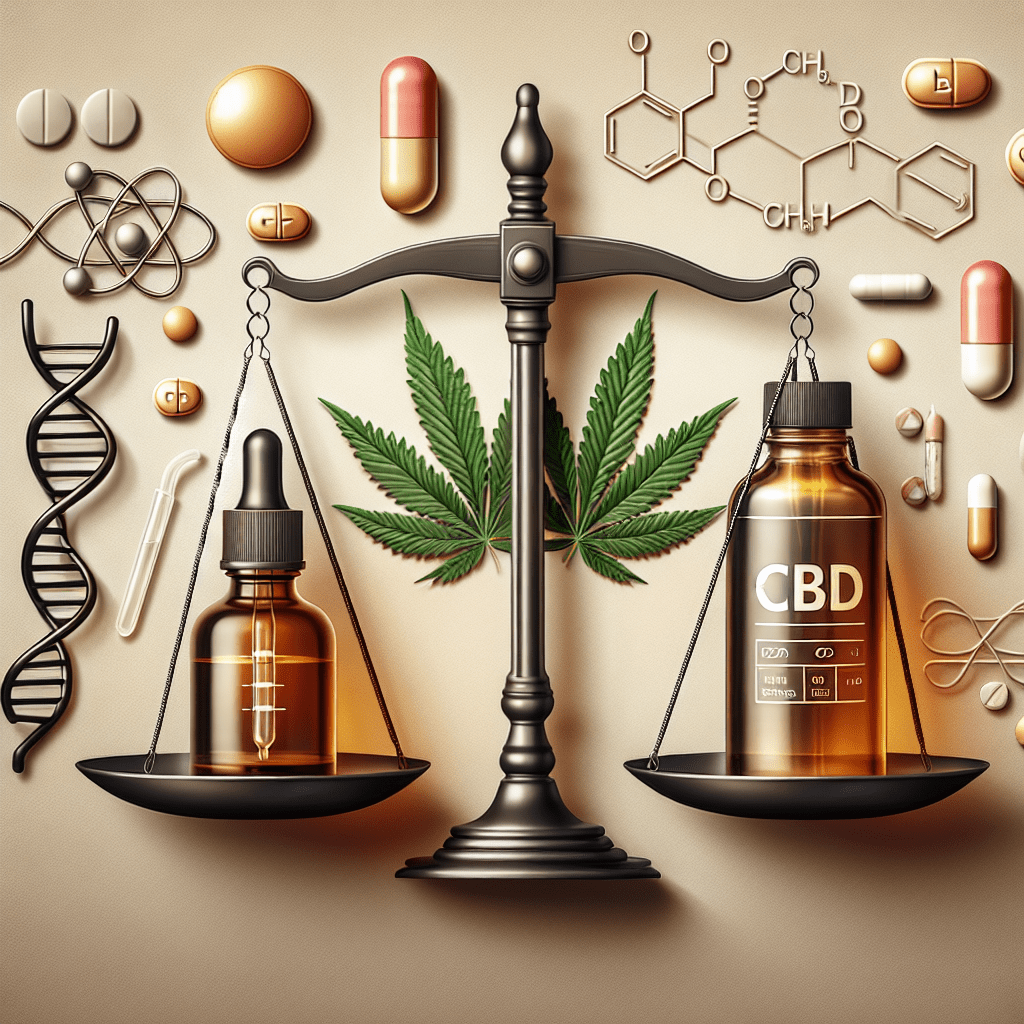
By CBD vs. Traditional Medications: An In-Depth Look at the Benefits and Risks in the United States
In recent years, cannabidiol (CBD) has surged in popularity as a natural remedy for various health conditions. With its increasing visibility in wellness products, from oils and edibles to topical creams, many individuals have begun to consider CBD as an alternative to traditional medications. This article aims to explore the benefits and risks associated with CBD and traditional medications in the United States, shedding light on what consumers should know before making decisions about their healthcare.
The Rise of CBD in America
CBD is one of the many compounds found in the cannabis plant, but unlike its psychoactive counterpart, THC (tetrahydrocannabinol), CBD does not produce a "high." The 2018 Farm Bill legalized hemp-derived CBD at the federal level, leading to a rapid expansion of the market. Today, CBD is marketed for various uses, including pain relief, anxiety reduction, sleep improvements, and even epilepsy treatment.
The interest in CBD has been driven mainly by anecdotal evidence from users who report significant improvements in their conditions. Furthermore, a growing body of scientific research supports some of these claims, especially regarding CBD’s effectiveness for epilepsy, with the FDA approving Epidiolex, a CBD-based medication for certain seizure disorders.
Benefits of CBD
-
Versatility: CBD can be helpful for a range of health issues, including anxiety, chronic pain, inflammation, and sleep disorders. This versatility appeals to many people seeking alternative remedies.
-
Fewer Side Effects: Many users report fewer and less severe side effects with CBD compared to traditional medications. Common side effects of pharmaceuticals, such as nausea, dizziness, and risk of dependency, may be less pronounced with CBD.
-
Natural Origin: CBD is derived from the hemp plant, which resonates with those who prefer natural over synthetic treatments. This organic aspect is particularly appealing to consumers looking to avoid the complexities and potential dangers of pharmaceuticals.
-
Non-Psychoactive: Unlike THC, CBD does not alter the user’s mental state, making it a viable option for those who need therapeutic benefits without impairment.
- Potential for Reduced Cost: For some conditions, CBD products can be more affordable than traditional pharmaceuticals, especially for those without insurance coverage.
Risks of CBD
Despite its promise, CBD is not without risks and limitations:
-
Regulatory Uncertainty: The legal landscape around CBD remains complicated. While hemp-derived CBD is legal federally, varying state laws often create a patchwork of regulations. This uncertainty can complicate quality control and consumer safety.
-
Lack of Standardization: The CBD market is largely unregulated. Products may vary significantly in potency, purity, and quality, with many not containing the level of CBD they claim. This variability raises concerns about dosing and efficacy.
-
Drug Interactions: CBD can interact with other medications, potentially increasing the effects or side effects of certain prescriptions. For instance, CBD alters how the liver metabolizes various drugs, which can lead to dangerous consequences in some cases.
-
Limited Research: While there’s promising data, comprehensive clinical trials on the effects of CBD for many conditions are still lacking. The studies that do exist often involve small sample sizes, limiting their applicability.
- Potential Side Effects: While many users report fewer side effects, CBD can still cause issues like fatigue, diarrhea, and changes in appetite or weight. For some individuals, especially those with pre-existing medical conditions, the effects can be unpredictable.
Traditional Medications: A Look at Benefits and Risks
Traditional medications have been the cornerstone of healthcare for decades. They are extensively studied, regulated, and have established protocols for safety and efficacy.
Benefits of Traditional Medications
-
Established Efficacy: Traditional pharmaceuticals undergo rigorous testing before approval. They have undergone extensive peer-reviewed research, with associated benefits well documented.
-
Standardized Dosing: Traditional medications generally come with a precise dosing schedule, simplifying the treatment process for healthcare providers and patients.
-
Comprehensive Patient Support: Most pharmaceutical companies provide support programs, patient education, and side-effect management that enhance patient outcomes.
- Insurance Coverage: Many medications are covered by health insurance, substantially reducing out-of-pocket costs for patients.
Risks of Traditional Medications
-
Side Effects: Many prescription drugs come with a laundry list of potential side effects, ranging from mild to severe, including dependency risks.
-
Limited Individualization: One-size-fits-all approaches can lead to suboptimal outcomes. Side effects vary from person to person, and some patients may need to try several drugs to find an effective one.
-
Costly Treatments: While certain medications are covered by insurance, many others can be prohibitively expensive, particularly for chronic conditions requiring lifelong treatment.
- Potential for Misuse: Some traditional medications, particularly opioids and benzodiazepines, carry a high potential for abuse and dependency, contributing to the ongoing addiction crisis.
Conclusion
In the ongoing debate between CBD and traditional medications, it is crucial to weigh the benefits and risks associated with both options. CBD offers a natural alternative that is gaining attention for various health concerns, yet it remains unregulated and lacks extensive clinical backing. Conversely, traditional medications have a robust history of research, rigorous testing, and established effectiveness, but they can come with significant side effects and costs.
As consumers look to navigate their healthcare choices, they should consult with healthcare providers to make informed decisions, considering their unique health situations, lifestyle preferences, and individual responses to treatment. Ultimately, a personalized approach to healthcare—whether integrating CBD, traditional medications, or both—may provide the best path forward for many individuals.