 By
By [ad_1]
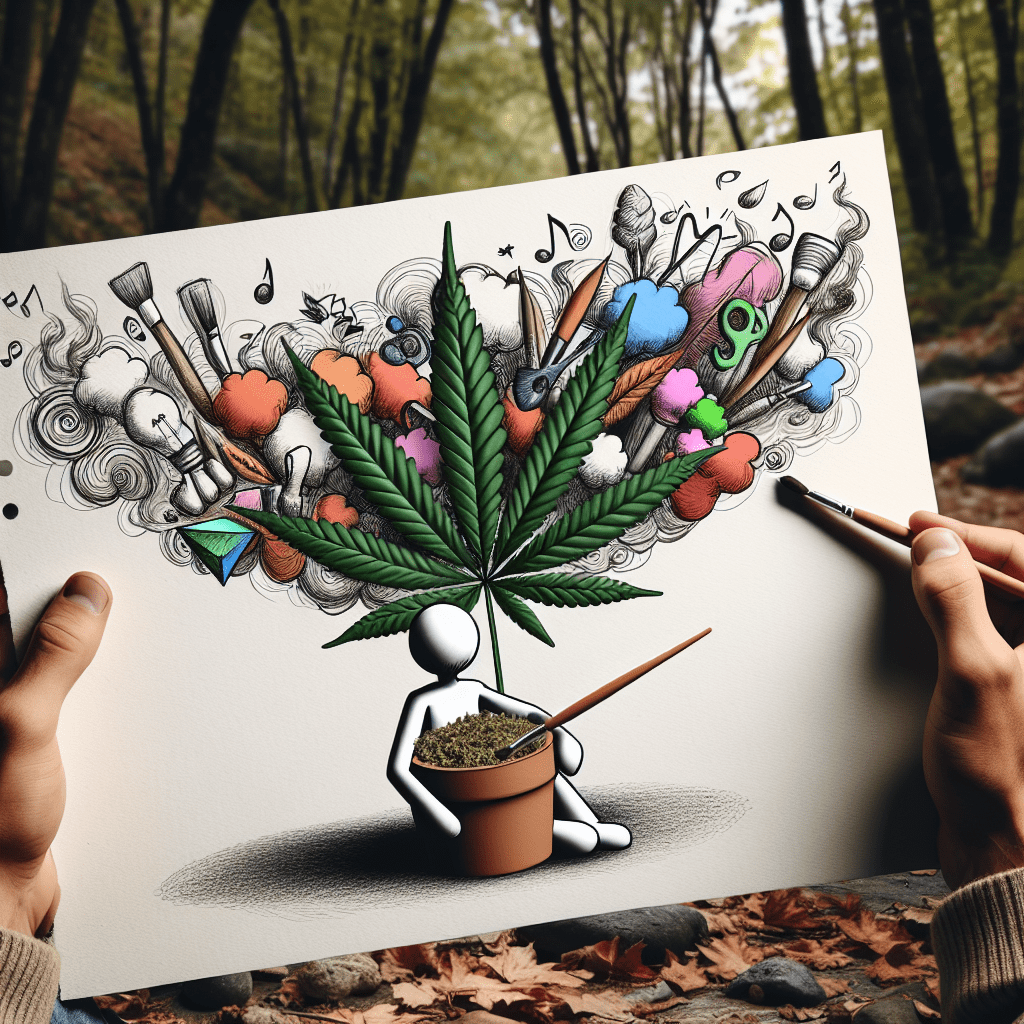
In recent years, the intersection of cannabis and creativity has become a topic of significant interest across various artistic disciplines in the United States. Historically, cannabis has been linked to creative thought—the notion that the plant can enhance imagination or facilitate innovative thinking is not new. As societal attitudes toward cannabis continue to evolve, its role in artistic expression is being reexamined with fresh perspectives. This article explores the intricate relationship between cannabis and creativity, grounded in current trends and research that highlight its impact on artists, musicians, writers, and other creative individuals.
The Historical Context of Cannabis and Creativity
The association between cannabis and creativity can be traced back centuries, from the use of hemp in ancient civilizations for artistic materials to its presence in the musings of famous figures like William Shakespeare and Edgar Allan Poe. Fast forward to the Beat Generation and the counterculture of the 1960s, where cannabis was embraced as a catalyst for artistic expression. This historical lens lays the groundwork for understanding why contemporary artists may still turn to cannabis for inspiration.
Today, with the growing acceptance of cannabis—more than half of U.S. states and Washington D.C. have legalized it for medical or recreational use—this relationship is receiving renewed attention. The ongoing discussion is not merely rooted in nostalgia but also tinged with scientific inquiry and cultural significance. As communities begin to draw more parallels between the recreational use of cannabis and artistic output, new research seeks to explore the nuances of this connection.
Scientific Insights into Cannabis and Creativity
Recent studies have begun to examine the ways in which cannabis affects cognitive function, particularly in relation to creativity. One prominent study, conducted by researchers at the University of California, found that low to moderate doses of THC, the psychoactive compound in cannabis, can enhance divergent thinking—the ability to generate multiple solutions to open-ended problems. Divergent thinking is a skill commonly linked to creativity, suggesting that cannabis may indeed play a role in enhancing creative processes.
Moreover, cannabis has been observed to reduce inhibitions and promote a sense of flow, both of which are conducive to artistic expression. The anecdotal experiences of many artists align with these findings; musicians report enhanced auditory creativity, while writers often find that cannabis helps to overcome writer’s block. However, expertise varies; while some artists thrive under the influence of cannabis, others may find it hinders their productivity. This nuanced understanding prompts an important conversation about responsible use in a creative context.
Current Trends in Creative Communities
As cannabis culture gains traction, various artistic communities are beginning to embrace it more openly. Art shows, music festivals, and workshops that incorporate cannabis are becoming commonplace across the United States. Events like the “Cannabis Creative Festival” in Los Angeles encapsulate this trend, providing a platform for artists to explore and celebrate the intersection of cannabis and creativity.
Painting, music, and other art forms have also turned toward cannabis-themed subjects, reflecting society’s changing views. Artists are producing work that celebrates cannabis culture itself, promoting themes of both social justice and the normalization of cannabis use. Local dispensaries often sponsor art shows or live music events, reinforcing the idea that creativity and cannabis can coexist and even thrive together.
The Role of Technology and Innovation
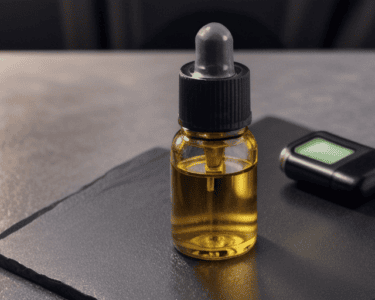
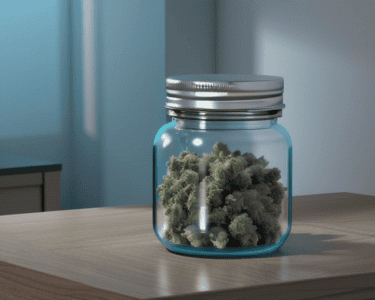
The advancement of cannabis cultivation techniques has created a rich tapestry of strains, each with unique effects that could affect creativity in varied ways. Furthermore, technological innovations such as cannabis-infused edibles, oils, and vaporizers allow for more nuanced and controlled consumption, thus encouraging a tailored approach to artistic exploration.
The emergence of cannabis delivery services and online dispensaries has also fostered a culture where artists can experiment with different strains to find what best fuels their creative processes. With more accessible options, artists across genres are now experimenting with blends tailored specifically for creative endeavors. This intersection of technology and cannabis is transforming the way creativity is approached in the modern era.
An Evolving Cultural Narrative
As we celebrate the connection between cannabis and creativity, it’s essential to acknowledge the broader societal shifts occurring concurrently. Conversations around equity, particularly in the context of the War on Drugs, are now front and center. Many artists are using their platforms to advocate for social justice and to address the disparities faced by marginalized communities in the cannabis industry.
Moreover, the growing acceptance of cannabis reflects changing attitudes towards mental health, as many creatives turn to cannabis for inspiration or as a tool of self-care. While challenges remain in public perception and regulatory frameworks, the narrative surrounding cannabis is significantly more nuanced today than in the past.
Conclusion: A Future of Creative Liberation
In conclusion, the synergistic relationship between cannabis and creativity is evolving, revealing insights that beckon both reflection and exploration. As society continues to reframe its understanding of cannabis, the creative potential it offers is becoming increasingly recognized. Creative individuals are poised to leverage these shifts, using cannabis as a medium to inspire not only groundbreaking art but also meaningful dialogue about justice, identity, and cultural change.
As we look ahead, the challenge lies in fostering an environment that allows for safe and responsible exploration of cannabis as a creative aid while paying homage to the social issues intertwined with its history. Celebrating this connection goes beyond mere indulgence; it invites us to engage thoughtfully with the plant’s possibilities, inspiring new forms of artistic expression in an ever-evolving cultural landscape. Recognizing the profound connection between cannabis and creativity invites us to appreciate the depth of human experience, offering a canvas for innovation that invites growth, connection, and verse.
[ad_2]