 By
By [ad_1]
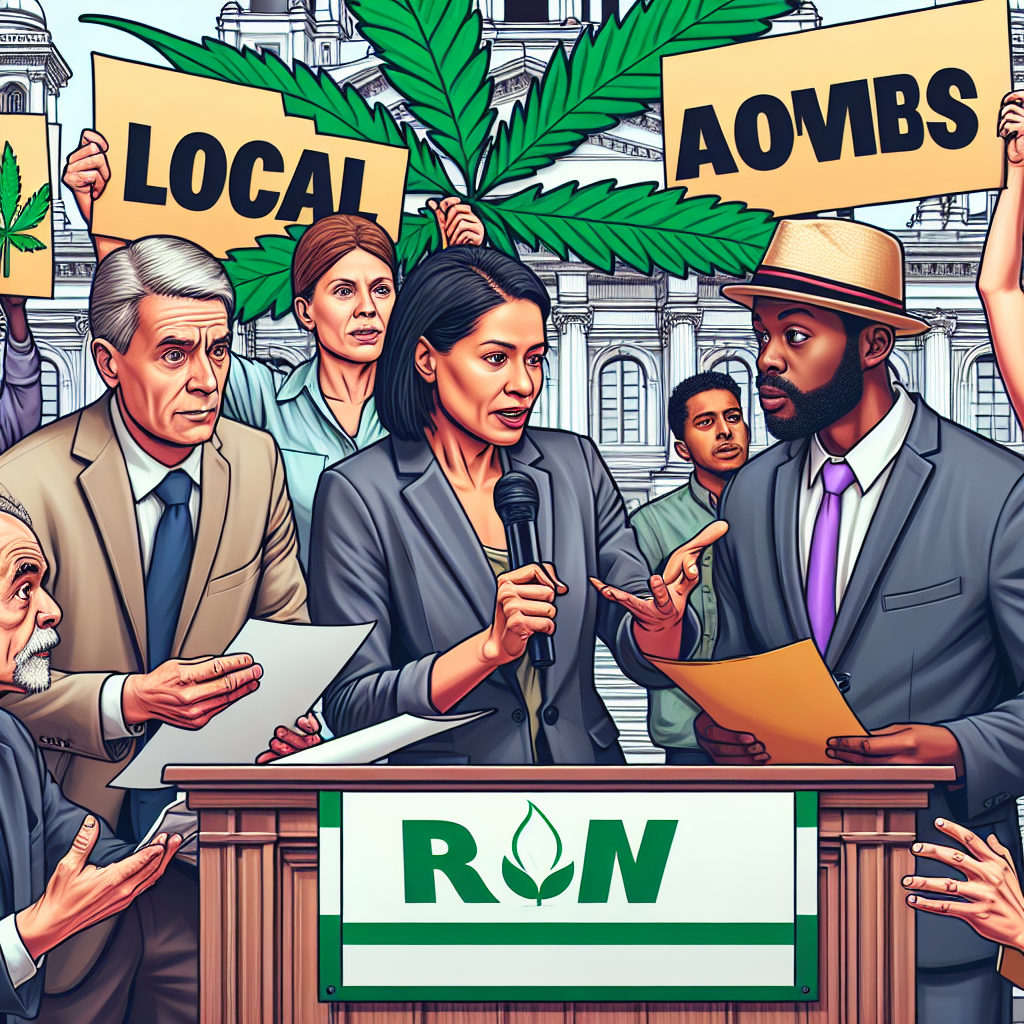
In recent years, the landscape of cannabis legislation in the United States has undergone significant transformation, largely driven by grassroots activism. Local communities, advocacy groups, and individuals have played pivotal roles in reshaping policies, challenging outdated laws, and influencing both state and federal regulations. This surge in local activism underscores the power of community engagement in effecting meaningful change within the complex framework of cannabis legislation.
One notable example of grassroots influence is the Buffalo Cannabis Movement (BCM) in New York. Established in 2014, BCM has been at the forefront of advocating for the legalization and decriminalization of marijuana. Aligning with the National Organization for the Reform of Marijuana Laws (NORML), BCM’s mission focuses on removing criminal penalties associated with adult cannabis use and promoting a regulated market. As of 2024, BCM remains active, extending its efforts across New York, Pennsylvania, and other regions, demonstrating the sustained impact of local advocacy groups in shaping state policies. (en.wikipedia.org)
Similarly, the Massachusetts Cannabis Reform Coalition (MassCann) has been instrumental in advocating for cannabis law reform. Founded in 1990, MassCann organizes the annual Freedom Rally on Boston Common, traditionally the second-largest gathering demanding marijuana law reform in the U.S. Despite achieving the goal of legalizing recreational cannabis use in Massachusetts in 2016, the rally continues to serve as a platform for education and advocacy, addressing ongoing issues such as public consumption regulations and community impact fees. (en.wikipedia.org)
In the South, the Alabama Cannabis Coalition has been a vocal advocate for cannabis legalization. The organization has actively criticized anti-cannabis legislation and delays in medical marijuana legalization. In 2025, the coalition opposed a bill that classified the possession of smokable hemp products as a class C felony, highlighting the ongoing challenges in conservative states. The coalition’s efforts underscore the importance of persistent advocacy in regions resistant to cannabis reform. (en.wikipedia.org)
At the federal level, the Cannabis Unity Coalition has emerged as a significant force. In April 2025, the coalition organized the second annual Cannabis Unity Week of Action in Washington, D.C., bringing together advocacy groups, industry leaders, and grassroots organizations. The event aimed to mobilize public support for federal cannabis reform, emphasizing the need for comprehensive legislation that addresses both legalization and the expungement of past convictions. (lastprisonerproject.org)
Despite these advancements, opposition to cannabis legalization persists. Anti-legalization groups have intensified efforts to halt the momentum of the "green wave." In recent elections, several states voted against legalization measures, reflecting the ongoing debate and the influence of well-organized opposition campaigns. These groups employ legal, political, and social strategies to reshape public perception and influence policymakers, highlighting the complexities of achieving nationwide cannabis reform. (reuters.com)
In response to the evolving landscape, some states have taken proactive steps. In June 2025, North Carolina Governor Josh Stein established the State Advisory Council on Cannabis to develop recommendations for regulating cannabis sales, including potential legalization. The council comprises representatives from state agencies, law enforcement, and the Eastern Band of Cherokee Indians, tasked with presenting policy recommendations by March 2026. This initiative reflects a growing recognition of the need for structured approaches to cannabis regulation at the state level. (apnews.com)
The role of women in the cannabis reform movement has also been significant. Trailblazers like Wanda James, the first Black woman to own a licensed dispensary in the U.S., and Shaleen Title, a former Massachusetts Cannabis Control Commissioner, have been instrumental in advocating for equitable policies and diversity within the industry. Their leadership underscores the intersectionality of the cannabis reform movement, addressing issues of social justice and representation. (norml.org)
As the movement progresses, events like the International Drug Policy Reform Conference, scheduled for November 2025 in Detroit, provide platforms for advocates to strategize and collaborate. These gatherings are crucial for sharing insights, addressing challenges, and reinforcing the collective effort toward comprehensive cannabis reform. (cannabislaw.report)
In conclusion, the reshaping of cannabis laws in the United States is a testament to the power of community activism. Local organizations, advocacy groups, and individuals have been instrumental in challenging existing policies and advocating for reform. While significant progress has been made, the journey toward comprehensive legalization and regulation continues, underscoring the need for sustained engagement and advocacy. The evolving landscape reflects a dynamic interplay between grassroots movements and legislative processes, highlighting the enduring impact of community power in shaping the future of cannabis laws in the United States.
Recent Developments in Cannabis Legislation and Activism:
- North Carolina governor forms council to recommend cannabis regulations
- Cannabis legalization pushback: Anti-legalization groups ramp up efforts to stop the green wave
[ad_2]