
 By
By [ad_1]
In recent years, Cannabidiol (CBD) has entered the spotlight as a potential alternative for pain management, gaining traction amidst escalating opioid crises and a growing interest in holistic health approaches. Extracted from the hemp plant, CBD is a non-psychoactive compound that boasts a broad spectrum of therapeutic benefits, particularly in managing chronic pain. As research continues to evolve and public sentiment shifts, a deeper exploration into the efficacy and implications of using CBD for pain relief is both timely and necessary.
The Rise of CBD: A Historical Perspective
CBD’s journey to recognition began in the early 20th century, but its modern popularity surged after the 2018 Farm Bill legalized hemp derivatives, making CBD more accessible. This legislative shift sparked a wellness movement, with CBD-infused products appearing in various forms such as oils, creams, and edibles. Many individuals, frustrated by the limitations and side effects of traditional pain medications, began to turn to CBD as a natural alternative. According to the National Institute of Health, studies suggest that CBD may target the endocannabinoid system, which plays a crucial role in pain modulation. This emerging understanding of CBD’s mechanisms has paved the way for its consideration in holistic healthcare practices.
The Science Behind CBD and Pain Relief
Research into CBD’s potential for pain management is an evolving field, with various studies indicating its efficacy in treating conditions such as arthritis, multiple sclerosis, and neuropathic pain. For instance, a 2020 review published in the journal Frontiers in Pharmacology highlighted that CBD might reduce inflammation and chemical pain signals sent to the brain, likely contributing to its analgesic properties. While further studies are warranted to substantiate these findings, early results suggest that CBD could serve as a non-addictive alternative to opioids.
Moreover, a 2022 survey conducted by the Arthritis Foundation revealed that 79% of respondents who used CBD for pain relief reported notable improvements. This data not only highlights the growing acceptance of CBD among chronic pain sufferers but also underscores a pressing need for streamlined regulations and broad-spectrum research to better inform consumers and healthcare providers alike.
Current Trends: What the Market Looks Like
The CBD market has experienced exponential growth in recent years, driven by increasing consumer awareness and demand for natural remedies. According to a report by Grand View Research, the U.S. CBD market was valued at approximately $4.6 billion in 2023, with projections indicating further growth. This surge is particularly marked among older adults—many of whom are seeking alternatives to conventional pain management strategies.
Retailers are also catching on, with an expanding array of CBD products now gracing pharmacy shelves, health food stores, and online platforms. From topical creams to beverages and capsules, consumers are inundated with options, further complicating their choices. However, this explosion in product variety has given rise to concerns regarding quality and safety. The lack of regulatory oversights can lead to variability in product formulations, concentrated doses, and the presence of contaminants, emphasizing the importance of consumer education and diligence when selecting products.
Legal and Regulatory Landscape
Navigating the legal landscape surrounding CBD use can be convoluted. While the 2018 Farm Bill provided a framework for the cultivation and sale of hemp-derived CBD, regulations continue to evolve at state and local levels. Some states have embraced CBD use in healthcare while others have imposed stricter regulations, reflecting an ongoing debate about the safety and efficacy of CBD in medical applications.
Despite these complexities, leading healthcare organizations, including the American Medical Association, encourage further research into CBD’s therapeutic potential. As more randomized controlled trials demonstrate safety and efficacy, it is plausible that regulatory bodies will begin to establish clearer guidelines and standards, rendering CBD a more formally accepted treatment option for pain management.
Expert Insights: The Holistic Perspective
Healthcare providers are increasingly integrating CBD into holistic pain management approaches, often using it in conjunction with lifestyle changes such as diet, exercise, and mindfulness practices. Dr. Michael Moskowitz, a pain management specialist, asserts that "CBD can be a valuable tool in a multidisciplinary approach to pain, especially as a stepping stone in reducing reliance on more potent pain medications."
This integrative perspective promotes the idea that no single solution will work for everyone; an individualized approach, which encompasses the patient’s history and lifestyle, is most effective. As clinical practices begin to embrace this mindset, they also foster an increased understanding of how social determinants—like access to healthcare and socioeconomic status—can influence treatment outcomes.
Conclusion: A Path Forward
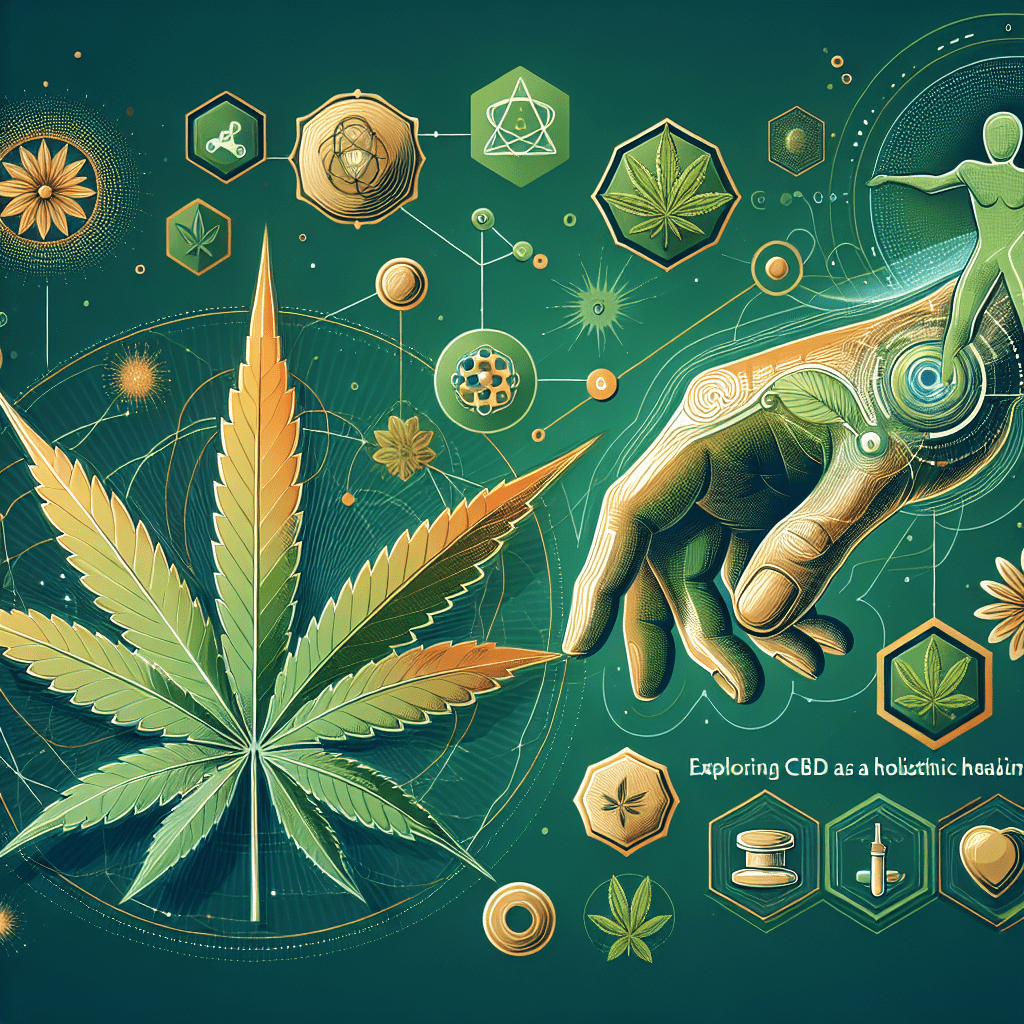
The exploration of CBD as a holistic solution for pain management in the United States marks a vital intersection of tradition, innovation, and patient-centered care. As societal attitudes continue to shift, and research uncovers further nuances of CBD’s benefits and limitations, the dialogue surrounding its use will become increasingly refined.
While there is immense promise in CBD as an analgesic, patients must remain vigilant in seeking evidence-based information and consult healthcare professionals to optimize their management strategies. The ultimate goal should not merely be symptom reduction but enhancing overall well-being. In a world where chronic pain is often marginalized, the rise of CBD represents both a challenge to conventional norms and an invitation to reconsider how we view and treat pain in the modern health narrative. As we learn more, it becomes clear that the conversation around CBD is just beginning, leaving ample room for future discovery and discussion.
[ad_2]