 By
By [ad_1]
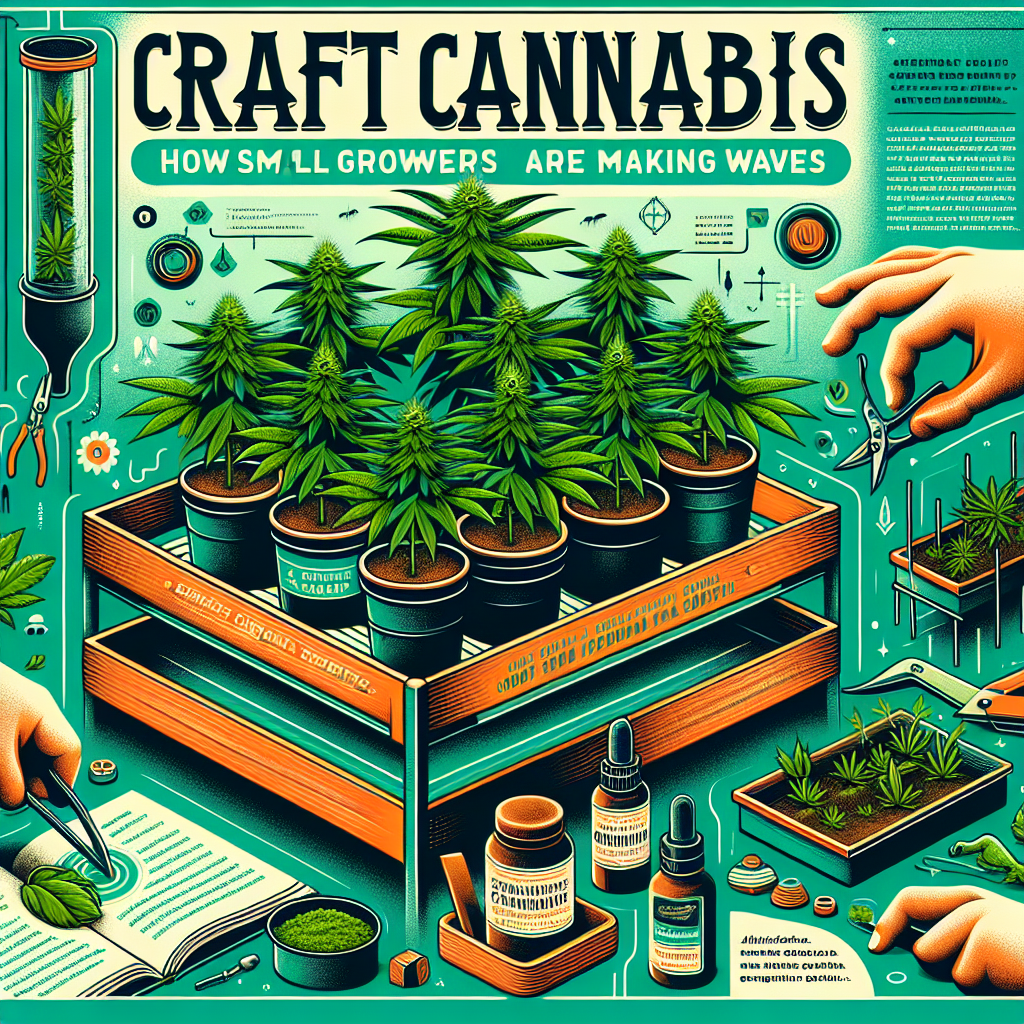
The landscape of the cannabis industry in the United States has undergone a dramatic transformation in recent years, particularly with the rise of craft cannabis. This movement, characterized by smaller growers focusing on quality, sustainability, and unique strains, stands in stark contrast to the large corporate entities that dominate the market. As legalization spreads from state to state, a new wave of artisanal cannabis producers is not only changing consumer perceptions but also redefining what it means to cultivate and enjoy cannabis.
The Rise of Craft Cannabis
Craft cannabis has its roots in the same principles that revolutionized the craft beer and artisanal food movements. Just as small breweries focus on quality and flavor, many small-scale cannabis cultivators prioritize genetic diversity, sustainable farming practices, and the art of cultivation itself. These growers often emphasize the narrative surrounding their products—the stories behind their strains, their growing methods, and their commitment to their local communities.
In states where cannabis has been legalized, the market is witnessing a burgeoning interest in craft products. According to a recent survey from the National Cannabis Industry Association, consumers increasingly prefer products sourced from small, independent growers. This shift indicates a growing awareness of quality over quantity, where consumers are more inclined to purchase handcrafted cannabis with unique qualities.
Navigating the Regulatory Landscape
Despite the challenges posed by a convoluted regulatory landscape, craft cannabis growers are rising to the occasion. Each state with legalized cannabis has its own set of laws and regulations, which can create hurdles for small-scale farmers. However, many have leveraged local policies to their advantage, forming co-ops and associations to standardize practices and share resources.
For instance, states like Oregon and California offer licensing structures that accommodate small growers, enabling them to compete with larger corporations. In Oregon, the OLCC (Oregon Liquor Control Commission) maintains a sympathetic framework for small growers, fostering a climate where artisanal grow operations can thrive. Moreover, initiatives aimed at supporting social equity in cannabis have provided a vital platform for marginalized demographics to enter the industry, further enriching the craft cannabis landscape.
Sustainability and Innovative Practices
Sustainability is a cornerstone of the craft cannabis movement. Many small growers are adopting organic farming practices, using techniques like regenerative agriculture to maintain soil health and biodiversity. These methods not only reduce their environmental footprint but also resonate with consumers increasingly concerned about where their products come from.
Hemp, a variant of the cannabis plant, is gaining traction in sustainable practices as well. Small farmers are utilizing hemp for various purposes, including textiles, biodegradable plastics, and building materials. This diversification is not only a response to consumer demand for sustainable options but also reinforces the narrative that cannabis can be a vehicle for broader environmental and social change.
The Consumer Experience: Education and Engagement
Craft cannabis cultivators emphasize consumer education and engagement, creating a community around their products. Many growers host events, workshops, or farm tours, inviting consumers to learn about cultivation methods and the science behind cannabis strains. This educational approach not only demystifies cannabis but also fosters a connection between growers and consumers, encouraging loyalty to local brands.
Social media is playing a significant role in this movement. Platforms such as Instagram and TikTok have become vital tools for small growers to showcase their products, share cultivation techniques, and connect with a broader audience. This direct line to consumers allows for transparency and helps craft cannabis brands build a unique, engaging identity in an increasingly crowded marketplace.
Current Challenges and Future Opportunities
While the craft cannabis movement is thriving, it is not without challenges. Small growers face stiff competition from large corporations that can afford economies of scale, making it difficult to compete on price. Additionally, the inconsistency in state-level regulations poses compliance risks that can disproportionately impact smaller operations.
However, the future looks promising for craft cannabis. As consumer preferences continue to shift toward artisanal and locally-sourced products, small growers are strategically positioning themselves as viable alternatives to larger companies. Innovations in marketing, product offerings, and sustainability practices can help craft cannabis producers carve out a niche in the market.
Recent studies indicate that as the stigma around cannabis decreases, overall market growth is expected. Forecasts project that the legal cannabis market in the U.S. could exceed $41 billion by 2025, with a significant portion attributed to craft products. As more states consider legalization, the opportunities for small growers will likely expand, allowing them to reach new consumers and diversify their offerings.
Conclusion: A New Era in Cannabis
The craft cannabis movement represents a significant shift in the way consumers relate to and engage with cannabis culture. Small growers are not just cultivating plants; they are cultivating community, sustainability, and innovation. In an era where mass production often overpowers quality, these artisans remind us of the importance of craftsmanship and local identity.
As the landscape of the cannabis industry continues to evolve, the rise of craft cannabis serves as a powerful example of how small growers are influencing consumer choices, advocating for sustainable practices, and reclaiming the narrative around cannabis. For those willing to engage with this evolving industry, the future holds immense promise—one where quality, community, and conscientious cultivation reign supreme.
[ad_2]