
 By
By [ad_1]
The cannabis industry in the United States has witnessed unprecedented growth in recent years, particularly following the legalization movements in various states. As the market expands, so does the pressing need for sustainable practices in cannabis cultivation. The environmental impact of traditional cannabis farming is significant, often involving excessive water use, pesticide application, and energy consumption, which can contribute to soil degradation and biodiversity loss. In light of these challenges, adopting sustainable methods for eco-friendly cannabis growth has become not just a trend, but a necessity for both cultivators and consumers.
The Pressing Need for Sustainability
Recent reports indicate that cannabis cultivation can consume up to twice the water of other agricultural crops. With water scarcity becoming an increasingly critical issue in many parts of the U.S., particularly in the West, the demand for sustainable agricultural practices is more urgent than ever. Furthermore, the energy-intensive process of indoor cannabis growing, which often relies on high-intensity discharge lighting, poses environmental challenges through elevated carbon emissions. Acknowledging these realities, various stakeholders in the cannabis industry, from growers to consumers, are now advocating for eco-friendly farming techniques that prioritize sustainability and environmental stewardship.
Innovations in Cultivation Techniques
One of the most innovative approaches to sustainable cannabis cultivation is the use of organic growing methods. Organic farming eschews synthetic pesticides and fertilizers in favor of natural alternatives, which are less harmful to both the environment and human health. Techniques such as crop rotation, cover cropping, and composting enhance soil fertility and structure, reducing the need for chemical inputs. Moreover, many organic cultivators are turning to integrated pest management (IPM) strategies, which focus on creating a balanced ecosystem that naturally controls pest populations while minimizing chemical use.
Another promising development is the implementation of regenerative agriculture practices. This method not only aims to sustain the land but also to improve it over time. Practices such as no-till farming, which reduces soil disturbance, and polyculture, which encourages biodiversity, are beginning to gain traction among cannabis growers. These methods have been shown to improve water retention and enhance soil health, ultimately leading to higher crop yields and reduced inputs.
Water Conservation Strategies
With cannabis cultivation’s notorious water demands, water conservation strategies are a crucial aspect of sustainable practices. Many growers are adopting advanced irrigation techniques such as drip irrigation, which delivers water directly to the plant roots, drastically minimizing water evaporation and runoff. Additionally, rainwater harvesting is emerging as an effective way to supplement water needs sustainably. By capturing and utilizing rainwater, cultivators can reduce their reliance on municipal water supplies and lower their overall water footprint.
In states like California, where water use is strictly governed, some cultivators are even using water recycling systems that treat and reuse water for irrigation. These systems not only conserve water but also reduce the environmental impact of cannabis operations, making them more compliant with state regulations.
Energy-Efficient Solutions
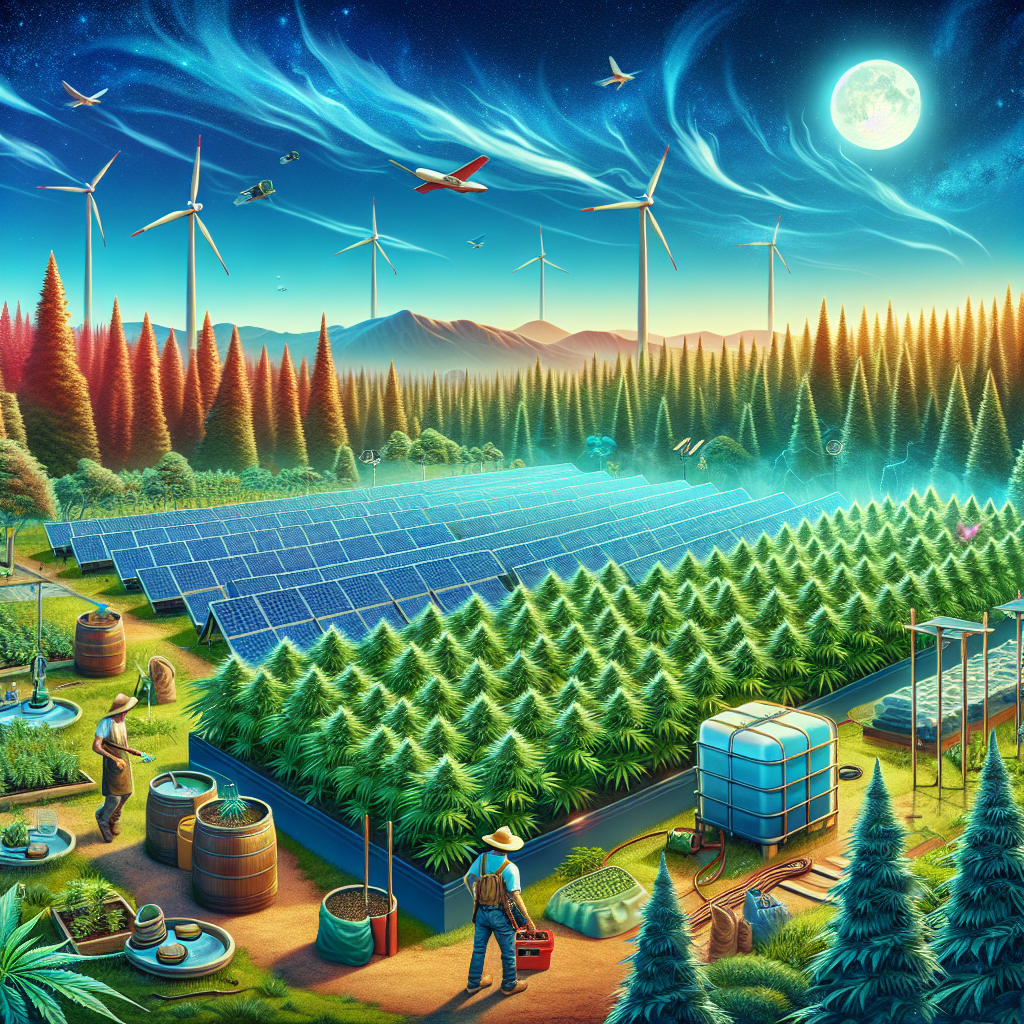
As the cannabis industry grapples with its high energy consumption—especially in indoor grows—innovations in energy-efficient solutions are reshaping cultivation practices. Growers are increasingly turning to renewable energy sources, such as solar and wind, to power their operations. Some cultivators have even installed solar panels on their facilities, capitalizing on the abundant sunlight available in many cultivation states.
Moreover, advancements in LED lighting technology are changing the game for indoor growers. LEDs consume significantly less electricity than traditional grow lights and generate less heat, reducing energy costs and the need for energy-intensive cooling systems. A 2021 report from the Lawrence Berkeley National Laboratory highlighted that transitioning to energy-efficient lighting could reduce the carbon footprint of indoor cannabis cultivation by as much as 75%, presenting a compelling case for sustainability.
Regulatory Landscape and Consumer Demand
The evolving regulatory landscape surrounding cannabis in the U.S. is also playing a role in shaping sustainable practices. States like Oregon and Colorado have begun to incorporate sustainability requirements into their cannabis licensing processes, incentivizing growers to adopt eco-friendly methods. These regulations not only encourage responsible growth but also position states as leaders in sustainable cannabis production.
On the consumer side, demand for sustainably grown cannabis is rising. A survey conducted by Precision Opinions found that 73% of cannabis consumers are willing to pay more for eco-friendly products. This shift signals a growing awareness and concern for environmental issues within the cannabis community, pushing cultivators to consider sustainability as a competitive advantage rather than just a compliance requirement.
Conclusion: A Vision for a Sustainable Future
As the cannabis industry continues to grow, the conversation surrounding sustainable practices must evolve in tandem. The incorporation of organic methods, water conservation strategies, and energy-efficient technologies presents a promising path forward, aligning the industry’s growth with environmental stewardship. The increased regulatory emphasis on sustainability and consumer demand for eco-friendly products further highlight the urgent need for change.
In reflecting on these developments, it becomes clear that the transition to sustainable cannabis cultivation is not only beneficial for the environment but also critical for the long-term viability of the industry. As consumers, producers, and legislators align their goals towards a greener future, the collective commitment to cultivating cannabis responsibly has the potential to transform the landscape of agriculture in the U.S. By prioritizing eco-friendly practices, the cannabis industry can not only thrive but also leave a positive legacy for future generations.
[ad_2]