
 By
By [ad_1]
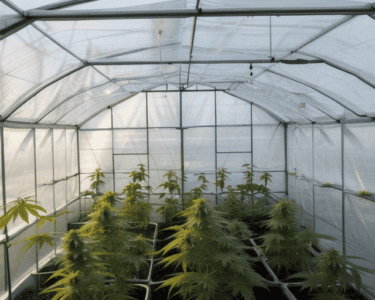
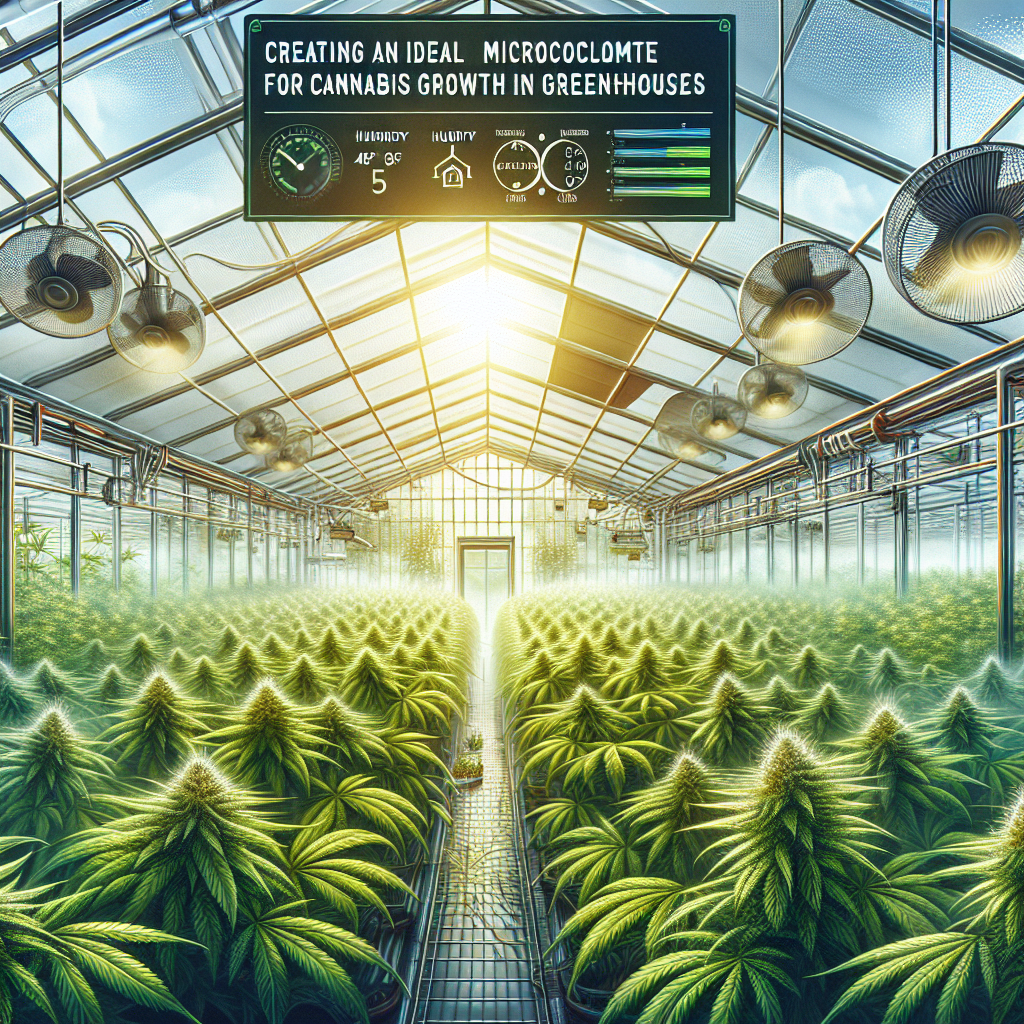
Cultivating cannabis in greenhouses offers numerous advantages, including protection from harsh weather conditions, pests, and the ability to control environmental factors more closely than in outdoor cultivation. Creating an ideal microclimate within a greenhouse is essential for maximizing potential yields and ensuring healthy plant growth. This article explores key considerations and techniques for optimizing the microclimate for cannabis cultivation.
1. Temperature Control
Importance of Temperature
Cannabis plants thrive within specific temperature ranges, generally between 68°F to 77°F (20°C to 25°C) during the day and slightly cooler at night. Excessive heat can cause plant stress, leading to stunted growth or even death, while low temperatures can hinder metabolic processes.
Methods of Control
- Heating Systems: Utilize gas or electric heaters to maintain optimal temperatures during colder months. Infrared heaters are particularly effective as they warm the plants rather than the air.
- Ventilation: Good airflow is crucial. Install exhaust fans and vents to release hot air and maintain a stable temperature. Passive ventilation through sidewall vents can also aid in air circulation.
- Thermal Mass: Incorporate thermal mass materials, such as water barrels or concrete, which absorb heat during the day and release it at night, helping to stabilize temperature fluctuations.
2. Humidity Management
Why Humidity Matters
Ideal humidity levels for cannabis range from 40% to 60% during the vegetative stage and drop to around 40% during the flowering stage. High humidity can promote mold and mildew, while low humidity can lead to dehydration and nutrient uptake issues.
Controlling Humidity
- Dehumidifiers: Install dehumidifiers to manage excess moisture, especially during the flowering stage when humidity levels need to be lowered.
- Watering Practices: Avoid over-watering and ensure proper drainage to prevent stagnant water, which can increase humidity levels.
- Misting Systems: During the early stages of growth, controlled misting can help maintain required humidity levels. Use foggers or misters for fine water droplets.
3. Light Management
The Role of Light
Cannabis plants require a specific light spectrum and intensity for optimal photosynthesis. Adequate light not only influences growth but also affects cannabinoid and terpene production.
Implementing Light Solutions
- Supplemental Lighting: Use high-intensity discharge (HID) lights or LED grow lights to enhance natural sunlight, especially during cloudy days or the winter months. LEDs are energy-efficient and provide customizable light spectrums.
- Reflective Materials: Employ reflective materials on walls to maximize light diffusion throughout the greenhouse. Mylar or white paint can significantly boost light intensity.
4. Air Quality and CO2 Enrichment
Why Air Quality Matters
Fresh air circulation is vital to prevent the buildup of harmful pathogens and maintain optimal photosynthesis levels. CO2 is crucial for plant growth; elevated levels can increase yields significantly.
Enhancing Air Quality
- Air Exchange Systems: Implement intake and exhaust fans to promote fresh air circulation. This not only enhances oxygen levels but also balances temperature and humidity.
- CO2 Enrichment: Introduce CO2 tanks or generators when the greenhouse is sealed to raise CO2 levels, particularly during the flowering phase when plants are more productive. Monitor CO2 levels, keeping them between 1,200 and 1,500 parts per million for optimal growth.
5. Soil and Nutrient Management
Importance of Soil Health
Quality soil is pivotal for healthy cannabis growth. Nutrient levels, pH, and organic matter all influence the plant’s ability to uptake essential nutrients.
Creating Optimal Soil Conditions
- Soil Composition: Use a well-aerated mix that includes components like peat moss, perlite, and compost. This ensures adequate drainage and nutrient retention.
- Regular Testing: Routinely test soil pH (ideally between 6.0 and 6.8) and nutrient levels. Adjust as necessary using organic fertilizers or amendments.
6. Pest and Disease Management
Maintaining Plant Health
An ideal microclimate can unintentionally foster pests. Effective pest management practices are essential to mitigate this risk.
Integrated Pest Management Strategies
- Biological Controls: Introduce beneficial insects such as ladybugs or predatory mites to control pest populations naturally.
- Preventative Measures: Ensure cleanliness in the greenhouse, regularly inspect plants for signs of pests, and employ organic pesticides only when necessary.
Conclusion
Creating the perfect microclimate in a greenhouse for cannabis cultivation combines controlling temperature, humidity, light, air quality, soil health, and pest management. By implementing the practices outlined in this article, growers can optimize their conditions, leading to healthier plants and improved yields.
FAQs
1. What is the ideal temperature range for cannabis in a greenhouse?
The optimal temperature range is typically between 68°F to 77°F (20°C to 25°C) during the day, with slightly cooler night temperatures.
2. How can I control humidity levels in my greenhouse?
You can regulate humidity using dehumidifiers, maintaining proper watering practices, and using misting systems when required.
3. How much light do cannabis plants need?
Cannabis requires around 18 hours of light during the vegetative stage and 12 hours during the flowering stage. Supplemental lighting may be needed during low-light conditions.
4. What are the benefits of CO2 enrichment?
Increasing CO2 levels can enhance photosynthesis, leading to greater growth rates and higher yields, particularly during the flowering phase.
5. How often should I test my soil?
Regular testing every few weeks is recommended to monitor pH and nutrient levels, adjusting as necessary for optimal plant health.
[ad_2]