 By
By [ad_1]
Cannabis has been a part of human culture for thousands of years, utilized for various medicinal, recreational, and artistic purposes. Among the many discussions surrounding its use, the idea that cannabis can enhance creativity and unlock artistic potential is particularly intriguing. Artists, musicians, and writers have touted the benefits of cannabis for inspiration, creative flow, and the development of unique ideas. In this article, we will explore how cannabis affects the brain and its potential role in enhancing creativity.
The Science Behind Creativity and Cannabis
To understand how cannabis influences creativity, we must first look at the brain’s mechanics. Creativity is often associated with divergent thinking, the ability to generate multiple solutions to a given problem. Studies suggest that cannabis can alter brain function, specifically in areas related to creativity and associative thinking.
The primary psychoactive compound in cannabis, THC (tetrahydrocannabinol), binds to cannabinoid receptors in the brain, which influences neurotransmitter release. This interaction has been found to enhance certain cognitive functions, including improved mood, relaxation, and increased sensory perception. These effects can create an optimal environment for creative thinking, where individuals may feel more free to explore unconventional ideas without the constraints of rationality.
Historical Context: Artists and Cannabis
Throughout history, many artists have embraced cannabis for its perceived creative benefits. The likes of Salvador Dalí, Pablo Picasso, and Bob Marley have acknowledged their use of the herb for inspiration and imagination. In the 1960s and 70s, the counterculture movement saw a vast proliferation of cannabis use among musicians and artists, which often led to groundbreaking works that challenged traditional norms.
The Beat Generation, including figures like Allen Ginsberg and Jack Kerouac, also utilized cannabis to expand their consciousness and explore new literary styles. The association between cannabis and artistic exploration is rooted deeply in culture, contributing to an ongoing dialogue about the role of substances in the creative process.
Cannabis and the Creative Process
For many artists, the relationship with cannabis is personal and varies from individual to individual. Some report enhanced focus, heightened sensitivity to sound and color, and the ability to think outside the box, while others find that it can lead to distractions or a lack of motivation. The key lies in understanding how different strains and dosages can produce varying effects on creativity.
Sativa-dominant strains are often favored by those looking to enhance creativity. They are known for their uplifting and stimulating effects, which can inspire individuals to engage in brainstorming or hands-on creative activities. Cannabis can also serve as a social lubricant, allowing artists to collaborate and share ideas in a more relaxed environment, fostering a sense of community.
Balancing Usage and Effects
While cannabis can have positive effects on creativity, it is essential to approach its use mindfully. Not every individual will experience enhanced creativity, and some may find that cannabis impairs their ability to concentrate or think critically. Maintaining a balance is crucial. Here are some tips for artists and creatives who wish to explore cannabis in their creative endeavors:
- Know Your Strain: Experiment with different strains and find what works best for you. Sativa strains are often more stimulating, while indica strains may relax you too much for productive creativity.
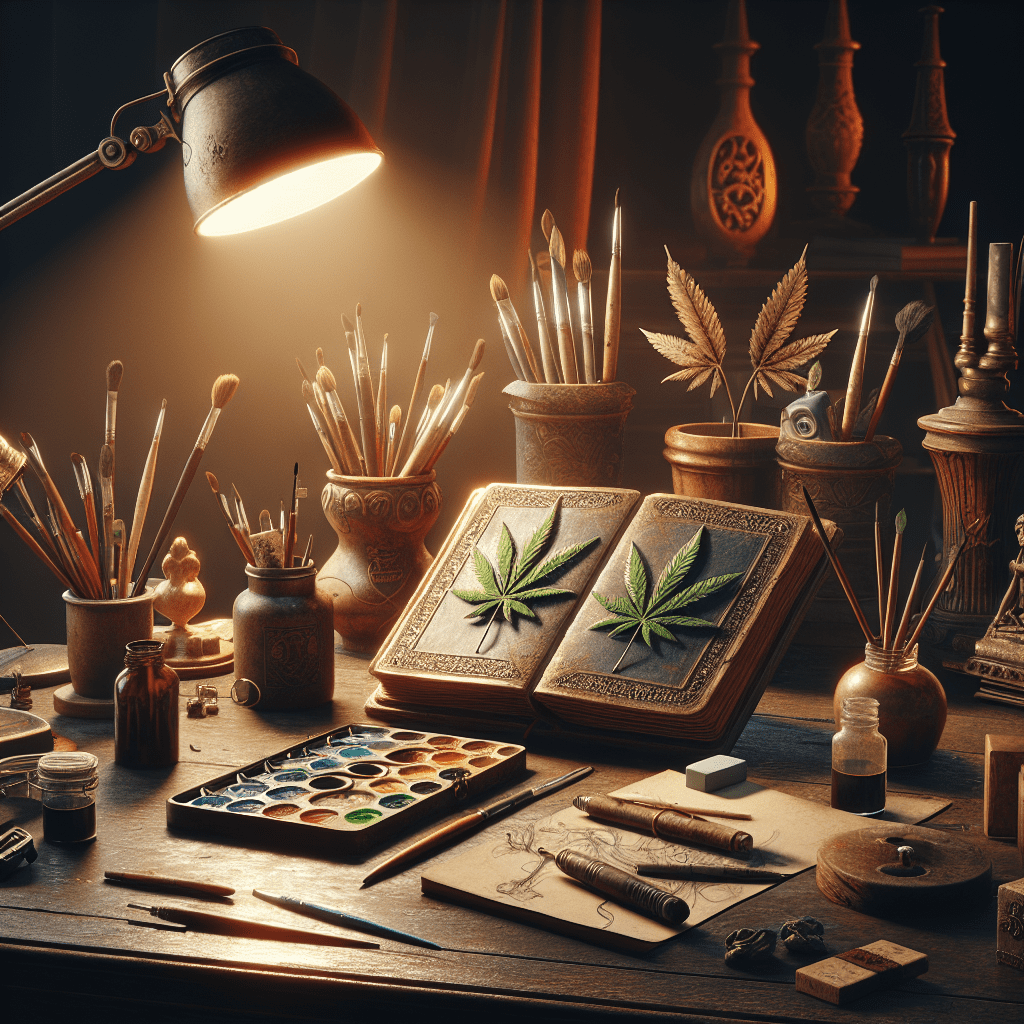
- Set the Scene: Create an environment conducive to creativity. Combine cannabis use with music, art supplies, or writing tools to foster inspiration.
- Mind Your Dosage: Start low and go slow. Small doses can enhance creativity without overwhelming your senses or inducing anxiety.
- Reflect and Evaluate: After using cannabis, take the time to reflect on what you have created. This can help you understand how cannabis influences your creative process.
Conclusion
While the relationship between cannabis and creativity is complex and subjective, there is a growing narrative that suggests cannabis can be a catalyst for artistic expression. For those who choose to explore its benefits, understanding individual responses to cannabis is vital. By combining art and responsible cannabis use, many have found a pathway to unlock their creative potential, enhance their artistic practice, and produce works that resonate deeply with themselves and their audiences. Ultimately, the journey of creativity is personal, and those who learn to navigate it with cannabis may just discover new heights of inspiration.
[ad_2]