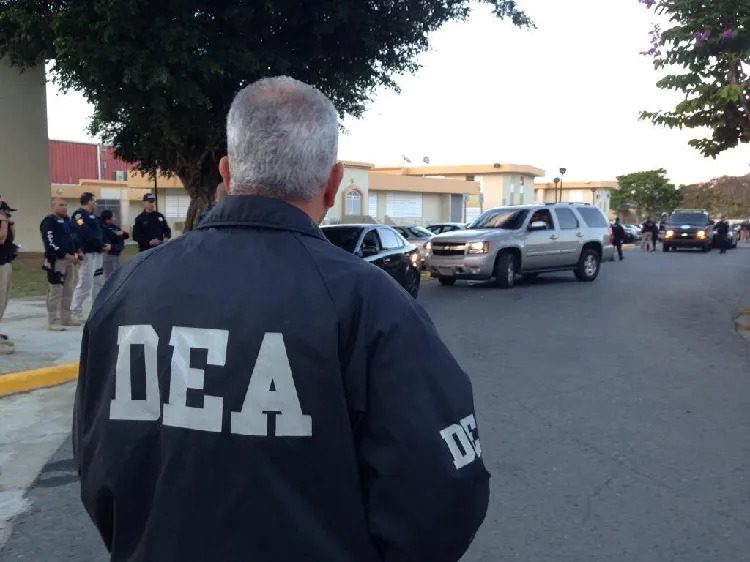
The U.S. Drug Enforcement Administration (DEA) recently announced that it would delay the decision to reschedule cannabis, pushing the issue past the 2024 election. This move has sparked considerable discussion and debate within the cannabis industry, among policymakers, and within the general public. The delay is not just a bureaucratic postponement but carries significant implications for the future of cannabis legalization in the United States.
Cannabis is currently classified as a Schedule I substance under the Controlled Substances Act (CSA), a category reserved for drugs with a high potential for abuse and no accepted medical use. Other substances in this category include heroin and LSD. This classification has long been criticized by advocates for cannabis reform, who argue that it is outdated, given the growing body of evidence supporting the medical benefits of cannabis and the expanding legal cannabis market in numerous states.
Rescheduling cannabis would involve moving it from Schedule I to a less restrictive category, such as Schedule II or III. This change could pave the way for more extensive research, medical use, and potentially broader legalization efforts. The DEA’s role in this process is crucial, as the agency has the authority to reclassify substances based on recommendations from the Food and Drug Administration (FDA) and other relevant agencies.
The DEA’s decision to delay rescheduling cannabis is reportedly tied to the upcoming 2024 presidential election. Some insiders speculate that the Biden administration may be cautious about making a decision that could become a polarizing issue during the campaign season. With cannabis legalization already a hot-button issue, the administration may prefer to avoid further controversy by delaying action until after the election.
Moreover, the delay may be linked to the complex regulatory landscape surrounding cannabis. Rescheduling involves not only changing federal drug policy but also addressing a host of legal, medical, and commercial considerations. These include ensuring that any new regulations align with state laws, determining how to manage the existing illegal market, and addressing concerns from various stakeholders, including law enforcement, public health officials, and the cannabis industry itself.
For the cannabis industry, the DEA’s delay represents a mixed bag. On one hand, it prolongs the uncertainty that has long plagued the industry, particularly for businesses operating in states where cannabis is legal. These businesses often struggle with issues like banking restrictions, high taxes, and limited access to federal research funding due to cannabis’ Schedule I status. The delay means that these challenges will persist for the foreseeable future.
On the other hand, some industry players may see the delay as an opportunity. The extra time could allow for more robust lobbying efforts to influence the eventual rescheduling decision. Industry stakeholders could use this period to build a stronger case for a more favorable classification, such as Schedule III or even de-scheduling altogether, which would remove cannabis from the CSA entirely.
The public reaction to the DEA’s delay has been largely divided along partisan lines. Many Democrats and cannabis reform advocates have expressed frustration, seeing the delay as a missed opportunity to advance cannabis legalization and address social justice issues related to the war on drugs. These groups argue that rescheduling could help reduce the number of people incarcerated for non-violent cannabis offenses and promote racial equity in the legal cannabis market.
Conversely, some Republicans and opponents of cannabis legalization have welcomed the delay. They argue that rescheduling could lead to increased cannabis use and associated social problems. These groups often cite concerns about youth access, impaired driving, and the potential for cannabis to act as a gateway to more dangerous drugs.
As the DEA’s decision remains on hold, the cannabis debate will likely continue to evolve. The outcome of the 2024 election could significantly shape the future of cannabis policy in the United States. If a pro-cannabis administration takes office, rescheduling or even de-scheduling could become a priority. Alternatively, if the political climate shifts toward a more conservative stance, the current status quo might persist for several years.
In the meantime, the cannabis industry, policymakers, and advocates will need to navigate the existing regulatory landscape while preparing for potential changes. While frustrating for some, the delay offers an opportunity to refine strategies and build coalitions that could influence the DEA’s eventual decision.
Ultimately, the DEA’s delay highlights the complex and often contentious nature of cannabis policy in the United States. As the 2024 election approaches, the future of cannabis legalization remains uncertain, with much at stake for the industry, consumers, and the broader society.
This analysis provides an overview of the DEA’s decision to delay cannabis rescheduling, examining the reasons behind the delay, its implications for the cannabis industry, and the broader public and political reactions. As the situation continues to unfold, it will be crucial to monitor developments closely, particularly in the context of the 2024 election.
Expert Warning On Outdated Testing Dr Georges Petitjean has warned that workplace drug testing has failed to keep pace with…
Event Details Shore House Canna, an adult-use dispensary in West Cape May, New Jersey, will host its 3rd Annual Fall…
Sabalenka Stops Play Over Cannabis Smell Top seed Aryna Sabalenka briefly halted her US Open third-round match against Kamilla Rakhimova…
CBDD Signs Definitive Agreement to Acquire BioCannabis CBD of Denver, Inc. (OTCID: CBDD) announced on September 15, 2026 that it…
Seventh Annual New Jersey Cannabis Convention Set NECANN brings the New Jersey Cannabis Convention back to the Atlantic City Convention…
The Violation Vermont Lt. Gov. John Rodgers plans to pay a reduced fine to settle a case involving an unlicensed…