
 By
New Bill Filed in the House
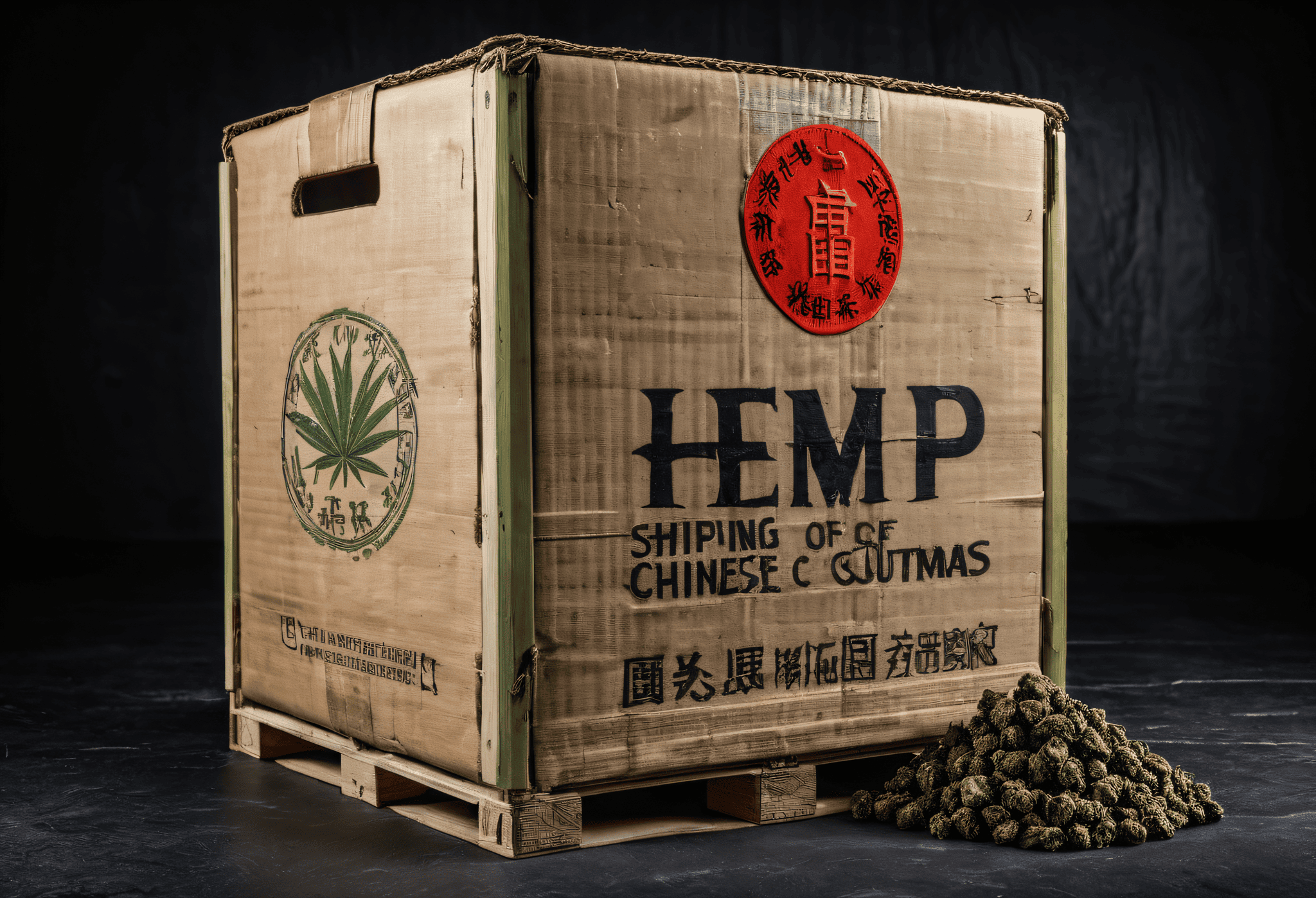
Rep. Val Hoyle (D-OR) filed the Protecting American Hemp Farmers Act on Thursday. The bill would impose a substantial tariff on hemp products imported into the U.S. from China and add new testing requirements for cannabinoid products entering the country.
The legislation would “impose an additional duty of 50 percent of the customs value of any article originating from China” that is a hemp-derived cannabinoid product or other specified cannabinoid when imported into the U.S. customs territory, according to the bill text.
The measure directs the U.S. International Trade Commission to add new categories to the Harmonized Tariff Schedule for cannabinoid isolates, cannabinoid distillates, naturally derived cannabinoids, synthetic cannabinoids and chemically altered cannabinoids.
The bill defines hemp-derived cannabinoid products as “any product containing cannabinoids derived or synthesized from Cannabis sativa L., or any extract, isolate, or derivative thereof, regardless of whether such product meets the definition of hemp” under federal law.
Testing and Reporting Requirements
CBP would also need to coordinate with the Food and Drug Administration to implement mandatory testing requirements for cannabinoid products imported into the U.S. for human consumption.
The testing would measure the presence of heavy metal content, such as lead, cadmium, mercury, arsenic, molds, and mycotoxins, as well as synthetic byproducts and unknown compounds.
CBP and the International Trade Commission would be required to publish annual reports tracking import data for cannabinoid products disaggregated by country of origin, cannabinoid classification, quantity and customs value.
Those reports would also include information about product testing and the extent to which imports were refused due to the results.
The bill’s full text has been published online by Marijuana Moment.
Timing in a Shifting Hemp Landscape
The bill arrives at a crucial time for the hemp industry. Hemp derivatives with less than 0.3 percent delta-9 THC on a dry-weight basis were federally legalized under the 2018 Farm Bill signed by President Donald Trump during his first term.
Late last year, Trump signed new legislation redefining hemp so that only products with 0.4 milligrams of total THC per container would remain legal after November 12.
Under provisions in a funding bill Trump signed last month, the effective date of the ban for most products is being pushed back to December 11 to give lawmakers more time to craft regulations for hemp derivatives.
There is a carve-out allowing the recriminalization on November 12 of synthetic cannabinoids “that are not capable of being naturally produced by a Cannabis sativa L. plant.”
Meanwhile, a Republican congressman has raised the possibility that provisions to reverse the still-planned federal recriminalization of hemp THC products could be included in a broader budget reconciliation bill during the lame-duck session following next week’s midterm elections.