
 By
By Embracing Cannabis as a Natural Pathway to Holistic Health in the United States
In recent years, the perception of cannabis in the United States has undergone a significant transformation. Once stigmatized as a dangerous drug, cannabis is now embraced by many as a viable option for holistic health. A growing body of research and anecdotal evidence supports its use in alleviating various health issues, including chronic pain, anxiety, and sleep disorders. With an increasing number of states legalizing medical and recreational use, it’s essential to explore cannabis’s role as a natural pathway to holistic well-being.
The Shifting Landscape of Cannabis Legislation
One of the most noteworthy changes in the perception of cannabis is the legislative shift across the country. As of 2023, 37 states have legalized cannabis for medical use, and 21 states, along with Washington D.C., have legalized recreational use. This evolving landscape is not just a reflection of changing public opinion but also underscores the importance of cannabis as a potential treatment option. States like California and Colorado have led the way, witnessing economic and health benefits from regulated cannabis markets.
In 2022, a landmark study by the American Medical Association found that cannabis can significantly reduce the use of prescription opioids, particularly among chronic pain patients. This revelation has ignited discussions about how cannabis can serve as a safer alternative. As state legislatures continue to revise their policies, more individuals are gaining access to cannabis products, igniting conversations about responsible use and informed decision-making in holistic health.
The Science Behind Cannabis
At the heart of the cannabis phenomenon lies its complex chemical composition, primarily cannabinoids like THC (tetrahydrocannabinol) and CBD (cannabidiol). THC is known for its psychoactive properties, while CBD has garnered attention for its therapeutic benefits without the euphoric effects. Recent research has shown that these cannabinoids interact with the body’s endocannabinoid system, playing a crucial role in regulating various physiological processes, including mood, pain, and sleep.
A growing number of clinical trials are investigating cannabis as a treatment for specific health conditions. For instance, a recent study published in the Journal of Pain Research demonstrated that patients using cannabis for chronic pain reported significant reductions in pain scores and improved quality of life. Furthermore, emerging studies have explored cannabis’s potential in treating anxiety and depression, highlighting its ability to enhance mood and lower stress levels.
Understanding Holistic Health
Holistic health emphasizes treating the whole person—mind, body, and spirit—rather than focusing solely on individual symptoms. This approach aligns seamlessly with the benefits of cannabis, as it has been shown to impact various aspects of health, promoting balance and harmony. For example, cannabis can help alleviate pain while also addressing anxiety, creating a multifaceted approach to treatment.
Moreover, the entourage effect—where different compounds in cannabis work together synergistically—enhances its therapeutic potential. Patients often report better outcomes when using a full-spectrum product that includes a variety of cannabinoids and terpenes rather than isolated components. This holistic approach invites users to consider not just the effects of cannabis but also how it fits into their overall wellness strategy.
Current Trends and Growing Acceptance
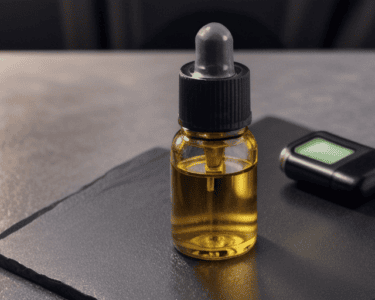
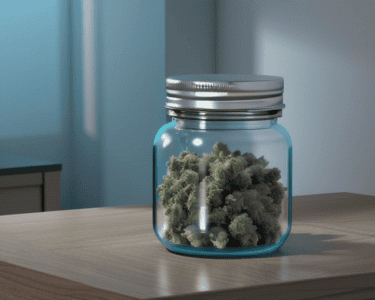
As cannabis becomes more mainstream, a range of products designed for holistic health has emerged. These include edibles, tinctures, topicals, and even beverages infused with cannabinoids. Many health and wellness brands are now integrating cannabis into their offerings, emphasizing its potential to enhance overall well-being.
Notably, a cultural shift is occurring as more medical professionals advocate for cannabis therapy. Leading healthcare organizations are beginning to include cannabis in treatment guidelines, acknowledging its potential benefits. For instance, the Institute of Medicine has endorsed further research into cannabis, recognizing its role in providing relief for various medical conditions.
Furthermore, consumer education is on the rise. As awareness grows, more individuals are seeking information about responsible use, dosing, and product selection. Workshops, seminars, and online platforms offer resources for those exploring cannabis for holistic health, empowering users to make informed decisions.
Challenges and Considerations
Despite its growing acceptance, challenges remain. One of the primary concerns is the inconsistency in product quality and labeling, which can vary widely between dispensaries and states. Additionally, despite legalization efforts, cannabis remains classified as a Schedule I substance at the federal level, creating barriers for research and access.
Moreover, societal stigma persists, particularly among older adults who may be apprehensive about cannabis use. Effective communication about cannabis’s safety and potential benefits is crucial in overcoming these hurdles. Engaging healthcare professionals to address misconceptions can help foster a supportive environment for those considering cannabis as part of their wellness journey.
Conclusion: The Future of Holistic Health and Cannabis
As we advance, the relationship between cannabis and holistic health is likely to deepen. The mounting evidence supporting its therapeutic potential provides an encouraging outlook for future research, legislation, and public acceptance. Embracing cannabis as a natural pathway to holistic health invites individuals to explore its benefits while prioritizing education and informed choices.
The potential of cannabis in promoting well-being is a compelling narrative that continues to unfold. As society navigates the complexities of cannabis legislation and integration into wellness practices, one thing becomes clear: the path forward may very well be enriched by this ancient plant, offering hope and healing to those willing to embrace its potential. As we reflect on these developments, it is essential to consider not just how cannabis fits into our health paradigms but also how it can contribute to a more holistic and inclusive approach to health for all.