

 By
By [ad_1]
In recent years, cannabidiol, commonly known as CBD, has surged in popularity across the United States as a natural remedy for various health concerns. Derived from the cannabis plant, CBD is non-psychoactive, meaning it does not produce the “high” associated with marijuana. Instead, many users have turned to CBD for its potential therapeutic properties, which may include alleviating anxiety, managing pain, and improving sleep quality. As more Americans seek holistic approaches to health, understanding the current landscape of CBD use, ongoing research, and regulatory developments is essential.
In 2018, the Farm Bill legalized hemp-derived CBD at the federal level, a turning point that opened the floodgates for its availability in retail stores and online marketplaces. The U.S. market for CBD has since expanded dramatically. According to a report by Grand View Research, the CBD market was valued at approximately $4.6 billion in 2019 and is projected to exceed $20 billion by 2025. This rapid growth reflects a broader societal shift towards natural wellness products, as consumers become increasingly aware of the potential benefits of plant-based alternatives to pharmaceuticals.
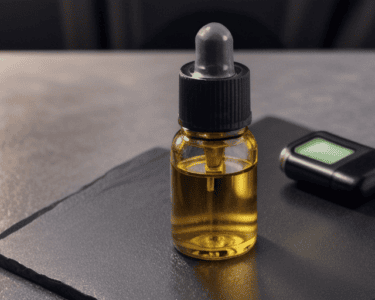
The increasing adoption of CBD has led to a myriad of products ranging from oils and tinctures to edibles and topical formulations. This diversity allows consumers to choose a method of consumption that best fits their lifestyle and health needs. For seniors, CBD oil may provide a convenient and discreet way to manage chronic pain or anxiety. For younger adults, infused gummies or beverages can be a fun and approachable means of incorporating wellness into their daily routine. As various demographics experiment with CBD products, the conversation surrounding its benefits and best practices continues to evolve.
A growing body of research substantiates the claims surrounding CBD’s efficacy for multiple health concerns. While studies are still in their early stages, findings suggest CBD may help manage conditions such as anxiety, epilepsy, and arthritis. For instance, a 2020 meta-analysis published in the journal Frontiers in Behavioral Neuroscience indicated that CBD may aid in reducing social anxiety. Likewise, a clinical trial conducted by the American Epilepsy Society found that CBD significantly reduced seizure frequency in patients with refractory epilepsy. Such promising results have fueled a movement towards further research, increasing interest from academic institutions and major pharmaceutical companies alike in unlocking CBD’s full potential.
Despite the enthusiasm surrounding CBD, several challenges remain, particularly concerning regulation. The Food and Drug Administration (FDA) currently has limited guidance on CBD products, which has contributed to confusion among consumers. Many products are marketed without adequate oversight, leading to inconsistency in labeling and potency. Recent developments suggest that the FDA is revisiting its stance on CBD. Heightened scrutiny on the accuracy of labeling and marketing claims is essential to protect consumers and ensure that they are well-informed about what they are consuming. Clear and enforced regulations will also pave the way for broader acceptance within the healthcare community, allowing medical professionals to recommend CBD as a complementary therapy more confidently.
As discussions continue regarding the role of CBD in wellness, the overall sentiment is leaning towards acceptance, yet concerns remain. Consumers should remain vigilant and look for third-party lab-tested products to ensure safety and efficacy. Health professionals are also beginning to engage with this new paradigm, with some increasingly recommending CBD as part of a holistic treatment plan. Education is vital in this landscape. Misconceptions and stigma surrounding cannabis still exist, and many potential users remain unaware of the distinctions between CBD and THC, the psychoactive compound in marijuana. This gap in understanding could hinder the potential benefits CBD offers, particularly for those who could genuinely improve their quality of life with its use.
The discussion about CBD is still in its infancy, and the future looks promising. With ongoing research and growing acceptance, CBD has the potential to become a staple in natural wellness solutions. Consumers are taking charge of their health, seeking alternatives that align with their preferences for safe, effective, and natural treatments. Additionally, as social and legislative winds shift, stakeholders across the industry—ranging from scientists to local farmers—are positioned to play a crucial role in shaping this evolving landscape.
As we look ahead, it is crucial for consumers, healthcare providers, and regulators to engage thoughtfully in the conversation surrounding CBD. Public awareness and understanding will not only empower individuals to make informed choices but will also encourage responsible production and marketing within the industry. Ultimately, embracing CBD as a natural approach to wellness is not just about health—it’s about fostering a holistic mindset that prioritizes well-being, accessibility, and open dialogue for all. The journey is ongoing, but as scientific understanding deepens and societal acceptance grows, the promise of CBD in our wellness toolkit is one worth exploring.
[ad_2]