
 By
By [ad_1]
Embracing Diversity: The Many Faces of Cannabis Enthusiasts in the United States
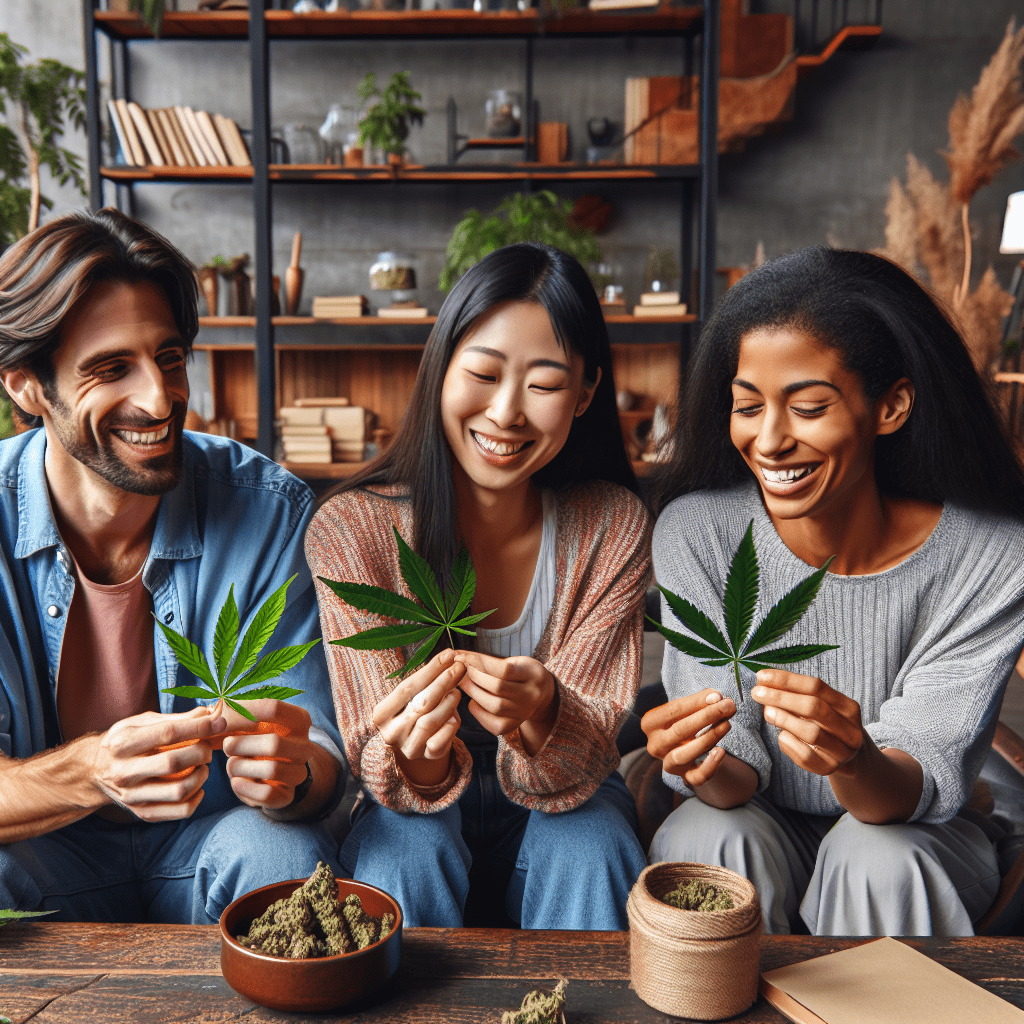
The landscape of cannabis consumption in the United States has undergone a profound transformation in recent years. Once associated predominantly with specific demographics, cannabis use has now permeated various segments of society, reflecting a broader acceptance and normalization. This evolution underscores the diverse tapestry of cannabis enthusiasts across the nation.
A Broadening Demographic Spectrum
Historically, cannabis consumption was often linked to younger adults, particularly those aged 18 to 34. However, recent data reveals a significant shift. In 2023, approximately 42% of U.S. adults reported having used cannabis and expressed a likelihood to use it again, with 37% identifying as current consumers. This trend spans various age groups, indicating that cannabis use is no longer confined to a particular demographic. (newfrontierdata.com)
Gender Dynamics in Cannabis Consumption
Traditionally, cannabis use was more prevalent among men. Yet, emerging trends highlight a notable increase in female consumers. In 2023, women aged 19 to 30 surpassed men in cannabis consumption, marking a significant shift in usage patterns. This change has prompted the industry to adapt, with brands focusing on products favored by women, such as edibles, tinctures, topicals, and beverages. (reuters.com)
Age Is Just a Number
The rise in cannabis consumption among older adults is particularly noteworthy. Data from Colorado indicates that the percentage of residents aged 65 and older who used cannabis in the past month increased from 3% in 2014 to 8% in 2021. Similarly, in San Francisco, usage among individuals aged 65 and older rose from 10% in 2017 to 13.7% in 2022. This trend suggests that cannabis is increasingly viewed as a viable option for managing health and wellness in later life stages. (axios.com, axios.com)
Cultural and Regional Influences
Cannabis consumption patterns also vary across different regions and cultures within the U.S. For instance, Black Americans have a higher cannabis usage rate at 10.7%, compared to 8.4% among White Americans and 7.2% among Hispanics. These disparities highlight the complex interplay of cultural, social, and economic factors influencing cannabis use. (bizplanr.ai)
Product Preferences and Consumption Methods
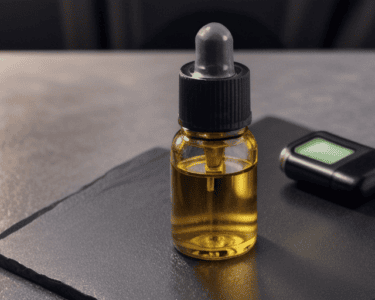
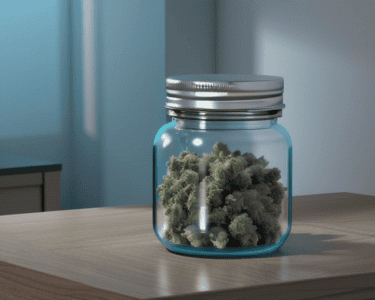
The methods by which consumers engage with cannabis have diversified. While smoking remains common, there is a growing preference for edibles, tinctures, and topicals. In 2023, gummy edibles emerged as the most consumed cannabis product, surpassing traditional flower consumption. This shift reflects changing consumer preferences and the industry’s responsiveness to these trends. (bdsa.com)
Health and Wellness Considerations
Many consumers turn to cannabis for health-related reasons. A significant portion of users reports using cannabis to alleviate symptoms such as anxiety, chronic pain, and depression. This therapeutic use underscores the importance of understanding the diverse motivations behind cannabis consumption and the need for informed discussions about its benefits and risks. (alpharoot.com)
Economic Implications and Market Growth
The expanding diversity of cannabis consumers has substantial economic implications. The U.S. cannabis industry is projected to exceed $1 billion in 2025, with expectations to grow to over $4 billion by 2028. This growth is driven by the increasing acceptance and normalization of cannabis use across various demographics. (reuters.com)
Challenges and Future Outlook
Despite the positive trends, challenges remain. Inconsistencies in regulations and quality control standards across states can lead to disparities in product safety and potency. Additionally, the federal status of cannabis as a Schedule I controlled substance continues to hinder research efforts and banking operations for cannabis businesses. Addressing these challenges is crucial for the continued growth and maturation of the cannabis industry.
Conclusion
The evolving landscape of cannabis consumption in the United States reflects a broader societal shift towards acceptance and normalization. The diverse demographics of cannabis enthusiasts—from varying ages, genders, and cultural backgrounds—highlight the plant’s widespread appeal and potential benefits. As the industry continues to grow and diversify, it is essential to foster inclusive and informed discussions about cannabis use, ensuring that all consumers have access to safe, effective, and culturally relevant products. This approach will not only support the health and well-being of individuals but also contribute to the continued success and sustainability of the cannabis industry.
[ad_2]