
 By
By [ad_1]
The landscape of cannabis legislation in the United States has undergone significant transformations in recent years, reflecting evolving public attitudes, scientific research, and political dynamics. As of September 2025, these developments have led to a more complex and multifaceted regulatory environment across the nation.
Federal Developments: Rescheduling and Regulatory Shifts
In April 2024, the U.S. Department of Justice proposed reclassifying marijuana from a Schedule I to a Schedule III substance under the Controlled Substances Act. This move aimed to align federal cannabis laws more closely with state regulations and facilitate medical research and investment in the cannabis sector. While the proposal garnered bipartisan support, it also sparked debates about the implications for federal legalization and the potential impact on state sovereignty. (reuters.com)
Additionally, in September 2023, the Secure and Fair Enforcement Regulation (SAFER) Banking Act was introduced in Congress. This bipartisan legislation sought to provide financial institutions with a clearer legal framework for offering services to state-sanctioned cannabis businesses, addressing the longstanding issue of banking access in the industry. Despite committee approval, the bill faced challenges in advancing through the legislative process, highlighting the complexities of federal cannabis reform. (axios.com)
State-Level Legalization: A Growing Trend
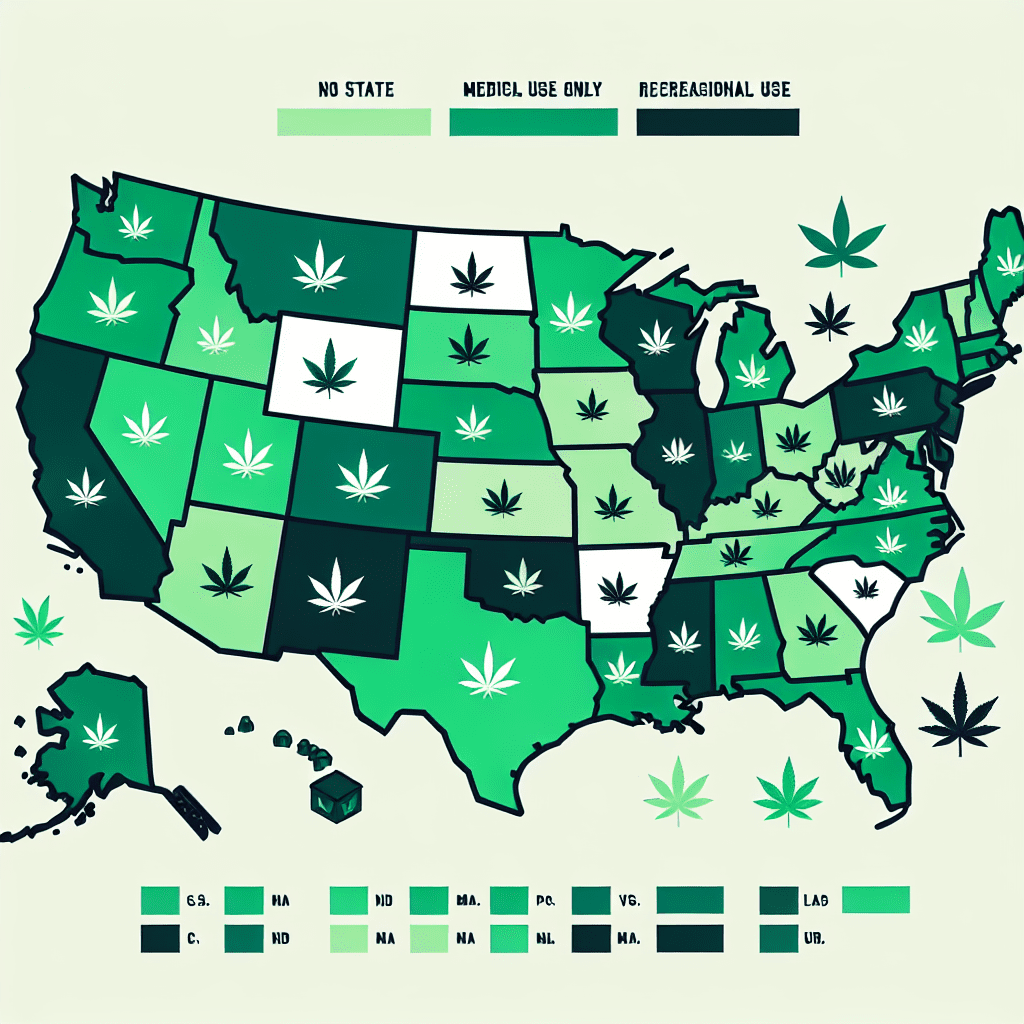
The momentum for cannabis legalization at the state level continued in 2023. Delaware, Minnesota, and Ohio enacted laws legalizing adult-use marijuana, bringing the total number of states with legalized recreational cannabis to 25. Ohio’s approval was particularly noteworthy, considering its previous rejection of a similar measure in 2015. This shift underscores the changing public opinion and political climate surrounding cannabis use. (norml.org)
Furthermore, in November 2023, Ohio voters approved the "Regulate Marijuana Like Alcohol" initiative, allowing adults aged 21 and over to purchase, possess, and consume marijuana. The initiative also permitted home cultivation of up to six plants per person and established the Division of Cannabis Control within the Ohio Department of Commerce to regulate the market. This development marked a significant step in Ohio’s evolving cannabis policy landscape. (en.wikipedia.org)
Workplace Protections: Balancing Employment and Personal Use
In 2023, several states implemented laws to protect employees who use cannabis off the job. California’s Senate Bill 700, signed into law in October, made it unlawful for employers to request information from applicants regarding prior cannabis use. This legislation expanded upon previous worker protections, reflecting a growing recognition of personal autonomy and the need to adapt workplace policies to changing societal norms. (norml.org)
Similarly, Michigan’s Civil Service Commission voted to end pre-employment marijuana screening for most state workers, with exceptions for certain safety-sensitive positions. This policy change aimed to reduce employment barriers for individuals who legally consume cannabis in their personal time. (norml.org)
Tribal Sovereignty: Pioneering Cannabis Regulation
Tribal nations have increasingly exercised their sovereignty to regulate cannabis within their communities. In September 2023, the Eastern Band of Cherokee Indians held a referendum approving the legalization of cannabis for adults aged 21 and over on tribal lands. This measure required the Tribal Council to develop legislation to regulate the market, highlighting the role of indigenous communities in shaping cannabis policy. (en.wikipedia.org)
Industry Challenges: Banking and Financial Services
Despite legislative advancements, cannabis businesses continue to face challenges accessing traditional banking services due to federal restrictions. The SAFER Banking Act aimed to address this issue by providing a legal framework for financial institutions to serve state-sanctioned cannabis businesses without fear of federal penalties. However, as of September 2025, the bill has yet to pass, leaving many cannabis companies to operate primarily in cash, which poses security risks and operational inefficiencies. (axios.com)
Looking Ahead: The Path to Federal Legalization
The trajectory of cannabis legislation in the United States indicates a trend toward broader acceptance and regulation. With increasing public support and a growing number of states legalizing cannabis, the pressure for comprehensive federal reform is mounting. The proposed reclassification of cannabis and the introduction of the SAFER Banking Act reflect a federal acknowledgment of the evolving landscape. However, the path to full federal legalization remains complex, involving considerations of public health, safety, and the balance between federal and state authorities.
In conclusion, the United States is witnessing a dynamic evolution in cannabis legislation, characterized by significant state-level reforms, federal policy shifts, and ongoing debates over the industry’s future. As public opinion continues to evolve and more data becomes available, it is likely that the regulatory framework will continue to adapt, striving to balance individual freedoms with public health and safety considerations.
Recent Developments in U.S. Cannabis Legislation:
- US Justice Department takes step to make marijuana use a less serious crime
- Closing the loophole: updates on federal and state attempts to regulate intoxicating hemp-derived products
[ad_2]