
 By
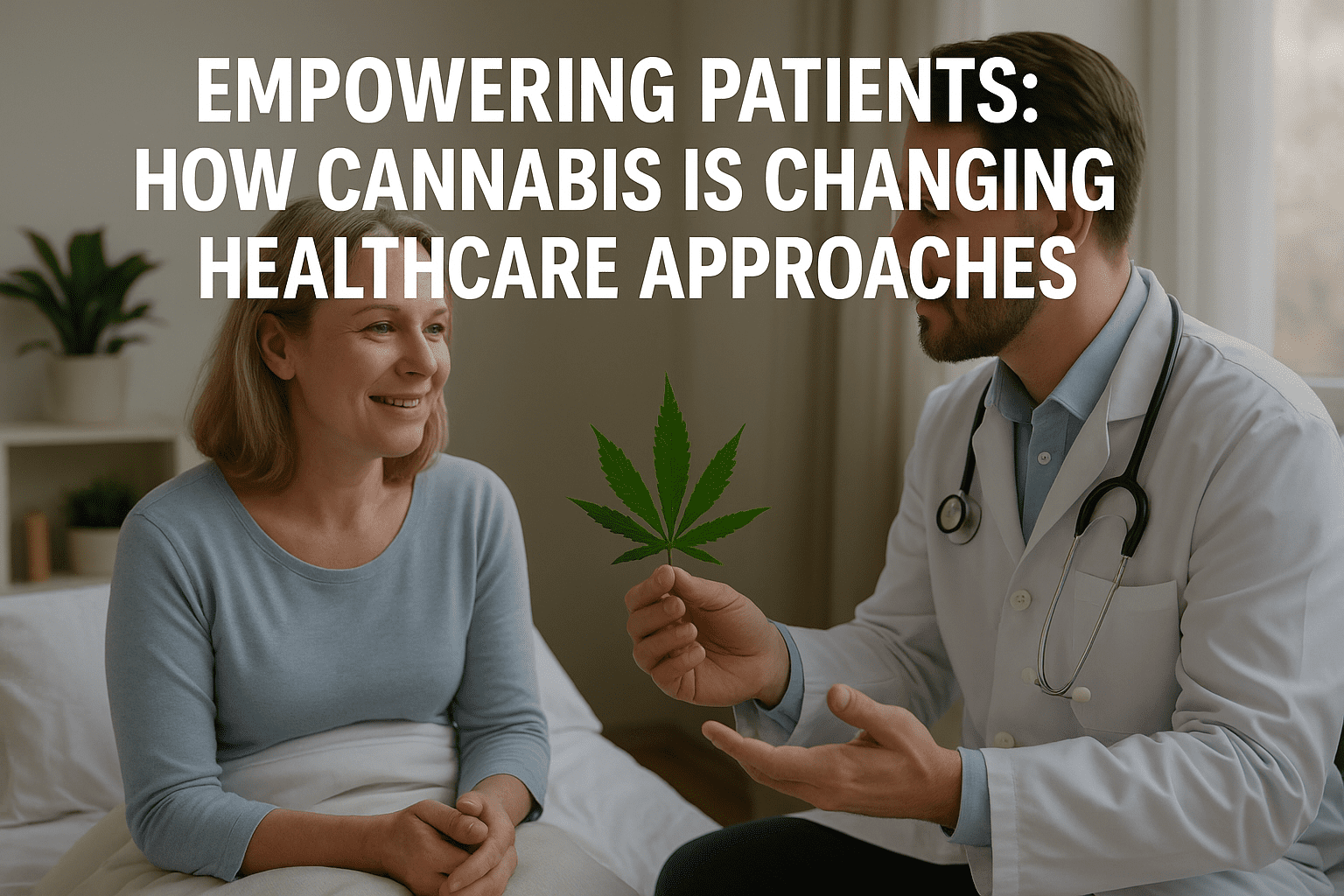
By Empowering Patients: How Cannabis is Changing Healthcare Approaches in the United States
As we delve deeper into the 21st century, the landscape of healthcare in the United States is undergoing a significant transformation. At the forefront of this transformation are the discussions and applications surrounding cannabis, a plant historically stigmatized and criminalized. Today, cannabis is emerging as a pivotal element in patient empowerment and healthcare delivery, reshaping the way we treat various medical conditions. This shift reflects broader changes in societal attitudes, scientific research, and legislative measures, all contributing to a new paradigm in American healthcare.
The Evolving Perception of Cannabis
Cannabis has been used for thousands of years, but its medical potential was sidelined for much of the 20th century, particularly during the War on Drugs era. However, as more states began to decriminalize cannabis for medicinal and recreational use, public opinion began to shift. According to a 2021 Gallup poll, 68% of Americans now support legalizing cannabis, a significant increase from just 25% in 1995. This evolving perception has opened doors for researchers and healthcare professionals to explore cannabis’s therapeutic properties more seriously.
Currently, 39 states plus Washington D.C. have legalized medical cannabis in some form, reflecting a growing acceptance of its use in managing chronic pain, anxiety, epilepsy, and other health conditions. The regulatory framework for cannabis is still developing, but the trend toward legalization is clear. Dr. Kevin Sabet, president of Smart Approaches to Marijuana, notes that “the cannabis landscape is increasingly medicalized,” emphasizing that healthcare must adapt to this new reality.
Scientific Backing and Patient Empowerment
As legalization spreads, scientific research on cannabis is gaining momentum. A review published in the Journal of the American Medical Association in 2021 highlights that cannabis may be effective in treating chronic pain, physical disabilities, and anxiety disorders. These findings empower patients by presenting them with more options beyond traditional pharmaceuticals, many of which come with a host of side effects and addictive properties.
One notable aspect of cannabis therapy is its ability to enable patients to take control of their treatment plans. Unlike traditional medication that often involves strict adherence to a regimen, cannabis allows for a more individualized approach. Patients can experiment with different strains, consumption methods, and dosages to find what works best for them. This personalized approach aligns with a broader trend in healthcare towards patient-centered care, ensuring that individuals take an active role in managing their health.
Innovative Healthcare Models
The intersection of cannabis and healthcare has birthed innovative models that prioritize patient engagement and education. Telehealth services that specialize in cannabis consultations, for instance, have emerged, allowing patients to access knowledgeable providers from the comfort of their homes. This is particularly helpful for individuals with mobility issues or those residing in rural areas where access to healthcare can be limited.
Moreover, cannabis dispensaries are increasingly becoming educational hubs. Many dispensaries hold workshops and offer resources to help patients understand product formulations, dosage, and potential side effects. This kind of community engagement is empowering, as it fosters an informed patient base capable of making educated decisions about their health. A case study from Florida showcased cannabis dispensaries that partner with local healthcare providers, integrating cannabis education into standard medical practice and encouraging holistic health discussions.
Regulatory Challenges and Future Directions
Despite the momentum behind cannabis legalization, numerous challenges remain. The dichotomy between state and federal laws complicates accessibility and research. While states have legalized cannabis for medical or recreational use, it remains a Schedule I substance at the federal level, effectively hindering comprehensive research funding and support. This inconsistency raises concerns about safety standards and quality control for consumers, as well as potential legal ramifications for healthcare providers.
However, advocacy for change is gaining traction. The introduction of the Cannabis Administration and Opportunity Act aims to decriminalize cannabis at the federal level and create a framework for industry regulation. Such measures would not only empower patients and healthcare providers but also ensure that cannabis products meet safety and efficacy standards.
A Thought-Provoking Conclusion
As the U.S. healthcare system continues to evolve, cannabis stands out as a powerful ally in empowering patients. Its status is shifting from a stigmatized substance to a legitimate alternative within the medical sphere, spurred by changing public perceptions, growing scientific evidence, and innovative healthcare approaches.
Yet, the journey is far from complete. The intersection of cannabis and healthcare must remain a priority for policymakers, researchers, and patients alike. As we look to the future, the challenge lies in navigating regulatory landscapes, ensuring patient safety, and fostering an environment where holistic, patient-informed care can flourish.
Ultimately, as patients become stakeholders in their health journeys through the use of cannabis, the pressing question remains: how will healthcare adapt to ensure these new voices are heard and included in the ongoing dialogue about wellness in America? The next steps will define not only the future of cannabis in healthcare but the very fabric of patient empowerment in the United States.