

 By
By [ad_1]
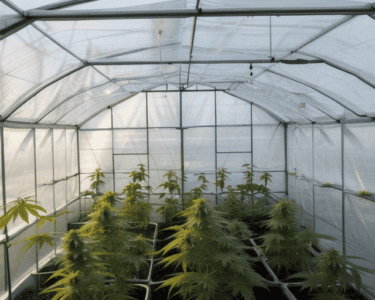
As the cannabis industry continues to expand and evolve, greenhouse cultivation has emerged as a highly effective method for growing cannabis. Greenhouses provide a controlled environment that can be optimized for the plant’s needs, leading to higher yields and better quality. To maximize success in greenhouse cannabis cultivation, several essential tools and technologies are required. This article will explore these tools, their functions, and their benefits, along with a FAQs section.
1. Climate Control Systems
a. Heating and Cooling Systems
Maintaining optimal temperatures is critical for cannabis growth. Greenhouses can get excessively hot in the summer and too cold in the winter. Heating systems, such as electric heaters or propane heaters, are crucial for colder months. Conversely, cooling systems, including exhaust fans and evaporative coolers, help lower temperatures during the summer.
b. Humidity Control
Humidity plays a vital role in nutrient uptake and disease prevention. High humidity can lead to mold, while low humidity can cause plants to dry out. Dehumidifiers and humidifiers, combined with hygrometers, help monitor and control humidity levels.
2. Lighting
a. LED Grow Lights
While natural sunlight is the primary light source in a greenhouse, supplementary artificial lighting may be necessary, especially during shorter days. LED grow lights are energy-efficient, produce little heat, and can be tailored to emit specific wavelengths that promote plant growth.
b. Supplemental Lighting Systems
For plants in their vegetative and flowering stages, supplemental lighting systems ensure that cannabis receives the required light spectrum. HPS (High-Pressure Sodium) lights are popular for their efficiency in the flowering phase.
3. Irrigation Systems
a. Drip Irrigation
Drip irrigation systems deliver water directly to the plant roots, minimizing water wastage and ensuring each plant receives adequate moisture. This method is especially beneficial in managing nutrient delivery alongside watering.
b. Automated Watering Timers
Automated timers help maintain consistent watering schedules, ensuring plants receive necessary hydration without the risk of overwatering or underwatering.
4. Nutrient Management Tools
a. Soil Testing Kits
Understanding soil nutrient levels is essential for healthy cannabis growth. Soil testing kits help growers assess pH, nitrogen, phosphorus, potassium, and other nutrient levels. This data aids in tailoring nutrient inputs to meet plant needs.
b. Nutrient Delivery Systems
Liquid nutrient systems allow for precise nutrient application through irrigation, ensuring that plants receive the right amount of nutrients at the right time. These systems, often combined with automated controls, help maintain nutrient levels in the growth medium.
5. Pest and Disease Management Tools
a. Integrated Pest Management (IPM)
IPM combines biological, cultural, and chemical controls to manage pests effectively. Having pest traps and barriers, along with natural predators like ladybugs and predatory mites, can reduce pest populations.
b. Spraying Equipment
In cases where pest infestation occurs, spraying equipment, including hand sprayers and backpack sprayers, allows growers to apply organic pesticides or fungicides efficiently.
6. Monitoring and Automation Technologies
a. Environmental Monitoring Systems
Smart sensors and monitoring systems can provide real-time data on temperature, humidity, soil moisture, and light levels. This data helps growers make informed decisions about adjusting environmental conditions.
b. Automation Systems
Automation reduces labor and minimizes human error. Automated systems can control lighting, irrigation, and climate settings based on predetermined parameters, optimizing the growing environment without constant oversight.
7. Work Tools and Safety Equipment
a. Hand Tools
Basic hand tools such as pruners, trowels, and shovels are essential for day-to-day tasks like pruning, transplanting, and soil preparation.
b. Safety Gear
Proper safety gear, including gloves and masks, is important when handling chemicals and pesticides. Understanding personal safety protocols can prevent health risks during cultivation.
Conclusion
Growing cannabis in a greenhouse setting can be highly productive and rewarding with the right tools and technologies. From climate control systems to pest management, every aspect of cannabis cultivation can be optimized to yield better results. By investing in these essential tools, growers can improve their chances of success in the booming cannabis market.
FAQs
1. What are the ideal temperature and humidity levels for cannabis in a greenhouse?
Optimal temperatures for cannabis growth range between 70-85°F (20-30°C) during the day and slightly cooler at night. Humidity levels should be kept between 40-60% during the vegetative stage and 30-50% during flowering.
2. How often should I water my cannabis plants in a greenhouse?
Watering frequency can vary depending on the plant size, growth stage, and environmental conditions. Generally, watering every 2-3 days during the vegetative stage and perhaps less frequently during flowering is advised. Always check the soil moisture first.
3. Can I grow cannabis organically in a greenhouse?
Yes! Many greenhouse growers use organic practices including organic fertilizers, natural pest control methods, and non-GMO seeds to cultivate cannabis sustainably.
4. Do I need a permit to grow cannabis in a greenhouse?
Yes, depending on your location, you may require a permit or license to cultivate cannabis legally. Always check local regulations to ensure compliance before beginning cultivation.
By understanding and utilizing these essential tools, growers can enhance their greenhouse operations, ensuring a successful and thriving cannabis production.
[ad_2]