
 By
By Examining the Future of Cannabis in Holistic Medicine in the United States
As a growing number of states in the United States move towards the legalization and decriminalization of cannabis, there is a rising interest in its integration into holistic medicine. This evolution raises compelling questions about how cannabis can be effectively used in conjunction with traditional healing practices such as acupuncture, herbal medicine, and mindfulness. The future of cannabis in holistic medicine is not only promising but also pivotal, as more healthcare practitioners and patients explore holistic alternatives for chronic conditions, pain relief, and mental wellness.
Historical Context and Current Legal Landscape
Cannabis has a long history of medicinal use, dating back thousands of years. Ancient civilizations utilized the plant for its therapeutic properties, but it wasn’t until the early 20th century that cannabis became shrouded in legal controversy, leading to its prohibition. However, the tide began to turn in the late 20th century, as states like California implemented medical marijuana laws. Today, over 38 states and the District of Columbia have legalized cannabis for medicinal purposes, reflecting a significant shift in societal attitudes towards the plant.
As of now, the cannabis market is booming, estimated to reach $41.5 billion by 2025 in the United States alone. This growth underscores a substantial change in public perception, which increasingly views cannabis not merely as a recreational substance but as a legitimate therapeutic tool. This shift opens up avenues for research and clinical trials focused on cannabis strains, dosages, and efficacy in treating various health issues.
Integration into Holistic Practices
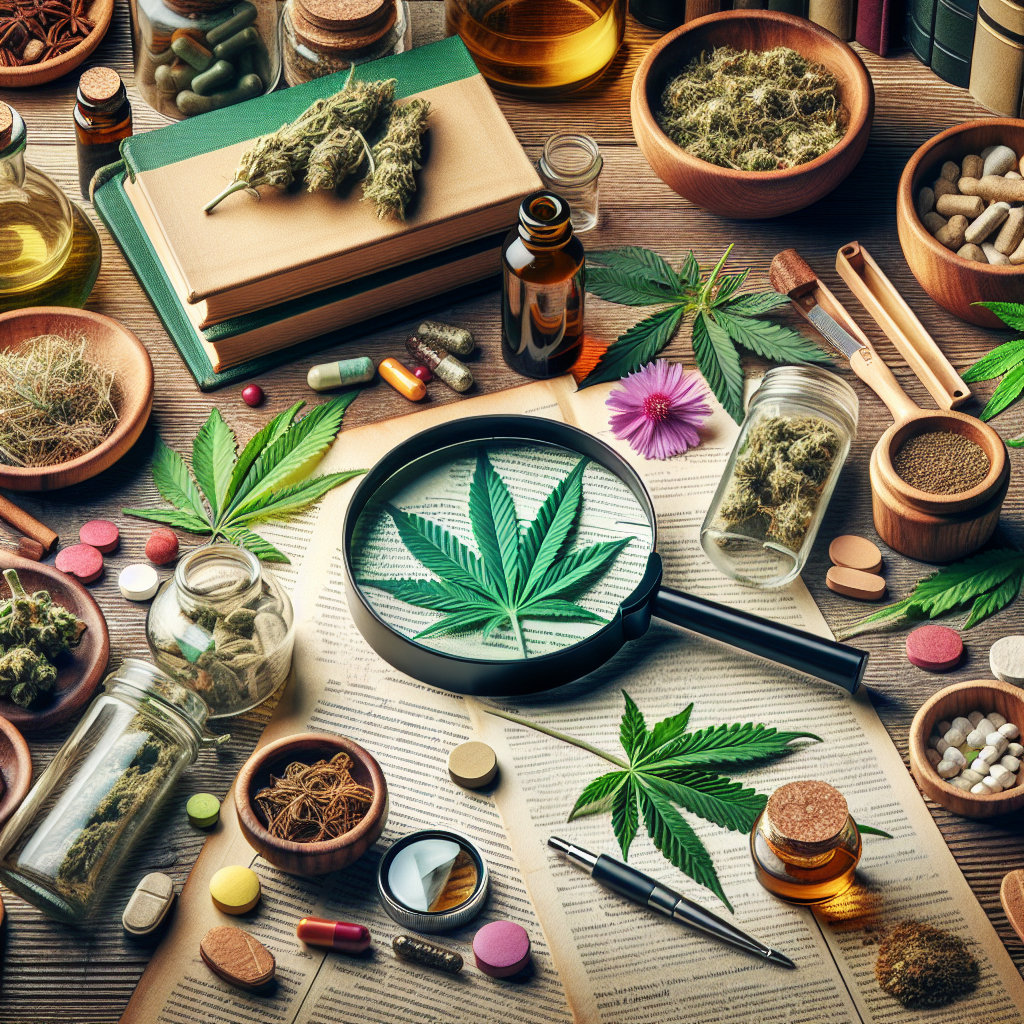
Holistic medicine emphasizes treating the whole person—body, mind, and spirit—rather than merely addressing the symptoms of ailments. Many holistic practitioners have begun to incorporate cannabis into their treatment regimens, often utilizing its anti-inflammatory, analgesic, and anxiolytic properties to complement other therapies. For example, patients suffering from chronic pain can benefit from both acupuncture and cannabis, providing a multifaceted approach to pain management.
Acupuncturists and herbalists have been at the forefront, intertwining cannabis with traditional modalities. Some studies indicate that certain cannabinoids may enhance the effects of acupuncture, potentially improving patient outcomes. Mindfulness practices, too, have started to explore the therapeutic potential of cannabis, particularly in enhancing relaxation and emotional regulation.
Current Research and Developments
Despite the historical stigma surrounding cannabis, recent research has begun to affirm its therapeutic potential. A 2021 review published in the Journal of Pain Research concluded that cannabinoids may effectively manage chronic pain and other conditions, contributing to improved quality of life for many patients. Additionally, researchers are investigating how cannabis can aid in mental health treatment, particularly for anxiety and depression.
Noteworthy is the increasing number of clinical trials focusing on cannabis. The National Institutes of Health (NIH) and other research institutions are funding studies to scientifically validate cannabis’s medicinal properties. As a result, healthcare professionals are gaining access to reliable data, allowing them to make informed decisions regarding their patients.
Ethical and Regulatory Challenges
While the future is bright, integrating cannabis into holistic medicine is not without challenges. Regulatory issues remain a significant barrier; cannabis is still classified as a Schedule I substance federally, complicating research and healthcare integration. This federal status creates inconsistencies in state laws, where legality varies drastically—from full legalization to strict prohibition.
Ethical concerns also play a crucial role. Healthcare providers must navigate the potential for misuse or overreliance on cannabis among patients seeking alternative therapies. Education becomes paramount, ensuring that both practitioners and patients understand appropriate dosages, potential side effects, and alternative treatments available. The emergence of cannabis education programs for healthcare professionals reflects the need for comprehensive training in this evolving landscape.
Future Trends and Innovations
Looking ahead, technological innovations and entrepreneurship are paving the way for the future of cannabis in holistic medicine. Startups and established companies are developing cannabis-infused products designed to address specific health conditions, such as topical treatments for pain or edibles focused on anxiety relief. The rise of personalized medicine—where treatment is tailored to the individual—could also be a game-changer, enabling more effective use of cannabis in holistic care.
Moreover, collaborations between researchers, healthcare professionals, and cannabis cultivators can drive more comprehensive approaches to achieving optimal therapeutic outcomes. Some states are taking the initiative to create frameworks that allow for more extensive research and development in this arena.
Conclusion
The future of cannabis in holistic medicine in the United States promises unprecedented opportunities. As more states legalize and decriminalize cannabis, and as scientific research sheds light on its efficacy, healthcare practitioners are increasingly likely to incorporate this versatile plant into their holistic treatment plans. However, this evolution requires careful navigation of regulatory landscapes, ethical considerations, and educational initiatives to ensure that both practitioners and patients engage safely and effectively.
In reflecting on the future, one must consider how this evolution could reshape our understanding of health and wellness. Can cannabis serve as a unifying thread that bridges traditional and modern medicine? As we delve deeper into the potential of cannabis, the answer may lie not only in its therapeutic properties— but also in our collective willingness to embrace new paradigms of healing that honor both scientific insight and holistic traditions.