 By
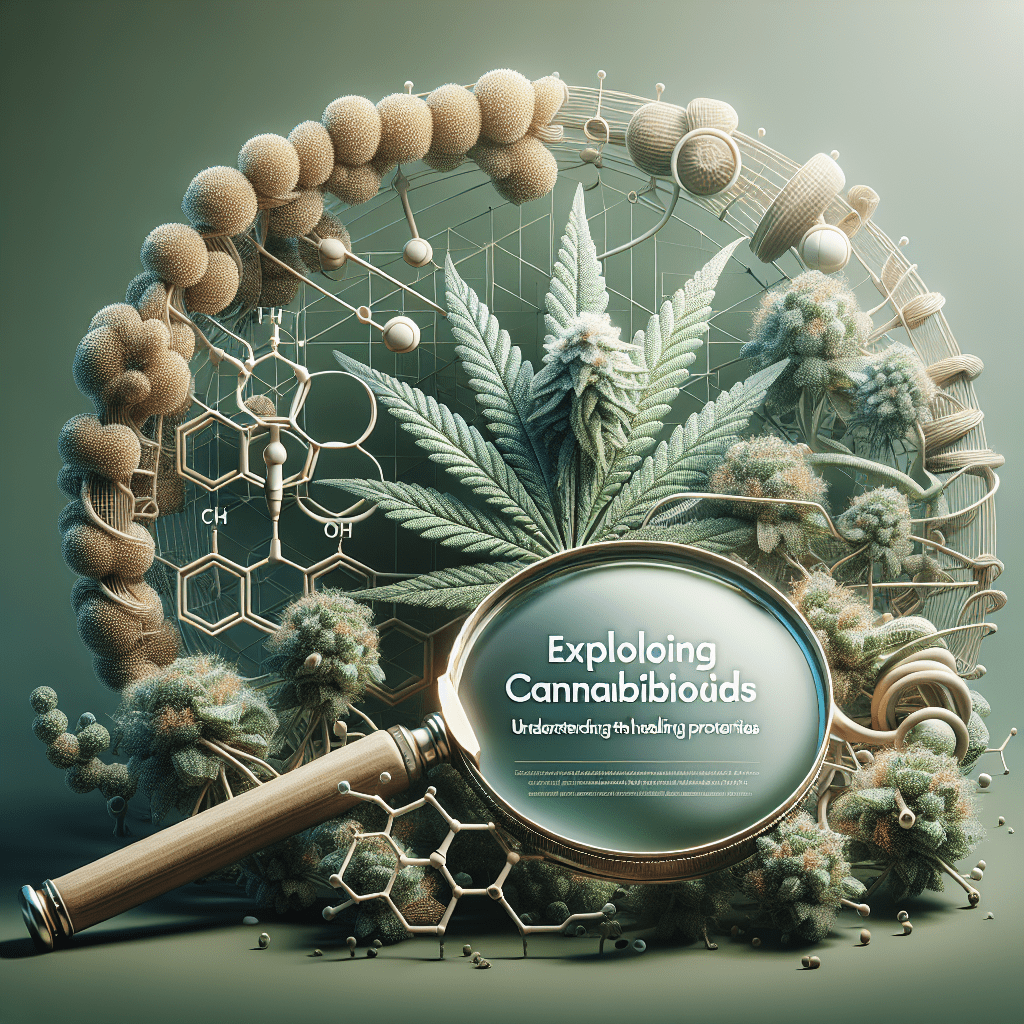
By Exploring Cannabinoids: Understanding the Healing Properties in the United States
As the landscape of natural medicine evolves, cannabinoids have emerged as a focal point in discussions surrounding holistic health and wellness. Cannabinoids, the active compounds found in cannabis, have gained traction not only in medical research but also among everyday consumers seeking alternative therapies. With an increased understanding of these compounds and their potential healing properties, the conversation surrounding cannabinoids has shifted significantly over the past few years, especially across the United States. This article delves into the current state of cannabinoid research, the implications of legalization efforts, and the future of these compounds in the realm of healing.
The Science Behind Cannabinoids
Cannabinoids interact with the endocannabinoid system (ECS), an integral part of the human body that plays a critical role in maintaining homeostasis. The ECS consists of receptors, enzymes, and endocannabinoids, which help regulate mood, pain, sleep, and immune responses. The most researched cannabinoids, THC (tetrahydrocannabinol) and CBD (cannabidiol), offer distinct therapeutic benefits. THC is primarily associated with its psychoactive effects, but it also has analgesic and anti-inflammatory properties. In contrast, CBD has gained popularity for its non-intoxicating nature and its potential to alleviate anxiety, depression, and chronic pain.
Recent studies have bolstered these claims, highlighting the therapeutic effectiveness of cannabinoids. For instance, a 2022 study published in the Journal of the American Medical Association found that patients with chronic pain reported significant relief after using cannabis-based therapies. This emphasizes the importance of informed consumer choices in the evolving cannabis industry, as the dialogue surrounding cannabinoid efficacy moves beyond anecdotal evidence to more robust scientific validation.
Current Trends in Cannabinoid Use
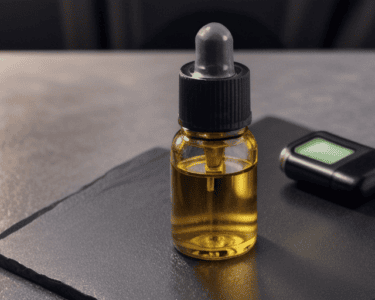
The landscape of cannabinoid usage in the United States has undergone a seismic shift with the legalization of cannabis in various states. As of 2023, over 20 states have legalized recreational cannabis, while many others have approved its medical use. This rapid legalization has paved the way for a burgeoning industry focused on cannabinoid-infused products, ranging from oils and edibles to topicals and capsules. Notably, the non-psychoactive cannabinoid, CBD, has made its way into mainstream products, attracting interest from health and wellness communities.
Market trends highlight an increasing acceptance of cannabinoids as a legitimate form of treatment. According to a report from Prohibition Partners, the U.S. cannabis market is expected to reach $41.5 billion by 2025, indicating a growing demand. Additionally, consumer education is on the rise; people are more informed about different cannabinoids, including lesser-known compounds like CBG (cannabigerol) and CBN (cannabinol), each boasting unique benefits. These trends signify a progressive change in societal perceptions, moving away from the stigma traditionally associated with cannabis use.
Legislative Landscape and Medical Implications
While the legal landscape is shifting, legislation varies significantly across state lines and poses challenges to researchers and patients alike. The federal classification of cannabis as a Schedule I substance under the Controlled Substances Act creates obstacles for healthcare professionals and scientists aiming to conduct comprehensive research. However, recent advocacy efforts are pushing for legislative changes. The bipartisan introduction of the Cannabis Administration and Opportunity Act in Congress aims to decriminalize cannabis at the federal level, facilitating broader research and access for patients.
Medical professionals are increasingly endorsing cannabinoids as therapeutic options. Notable advancements include the FDA’s approval of Epidiolex, a CBD-based medication for rare epilepsy syndromes, highlighting the potential for cannabinoids to complement traditional treatments. Moreover, ongoing clinical trials aim to explore the effects of cannabinoids on conditions such as PTSD, multiple sclerosis, and even certain cancers. As the evidence base expands, the future of cannabinoid therapy appears promising, holding the potential to transform conventional healthcare paradigms.
Expert Insights and Patient Perspectives
Healthcare providers and researchers are optimistic about the evolving role of cannabinoids in medicine. Dr. Ethan Russo, a well-known neurologist, emphasizes the importance of the entourage effect—the synergistic interaction between various cannabinoids and terpenes in the cannabis plant. This concept supports the notion that whole-plant medicine may offer enhanced therapeutic effects compared to isolated compounds. Additionally, patient testimonials underscore the efficacy of cannabinoid treatments for managing chronic conditions, shedding light on real-world applications that complement clinical findings.
However, it’s essential to approach cannabinoid usage with caution. Due to the lack of standardized dosing and variability in product formulations, misinformation can lead to misuse or suboptimal outcomes. Patients are advised to consult healthcare professionals knowledgeable about cannabinoids before starting any treatment. This highlights the need for a well-regulated market and reliable sources of information, ensuring consumers can make informed decisions about their health.
Conclusion: The Future of Cannabinoid Research and Use
As the body of research surrounding cannabinoids grows, so does the promise of their healing properties in modern medicine. The intertwining of science, policy, and individual consumer choice presents a complex but enriching landscape for cannabinoids in the United States. With increasing legalization, evolving research, and a growing acceptance in society, we stand on the cusp of a new era in health and wellness.
The journey of cannabinoids from stigmatized substances to recognized therapeutic agents embodies a broader cultural shift towards holistic health. Moving forward, it is imperative to continue educating both consumers and healthcare providers, promoting research, and advocating for sensible policies. As we explore the healing potential of cannabinoids, perhaps it’s time to rethink how we define health and wellness in the modern world, embracing a more integrated approach that respects both traditional and innovative healing practices.