
 By
By Exploring How Cannabis Can Enhance Your Wellness Journey in the United States
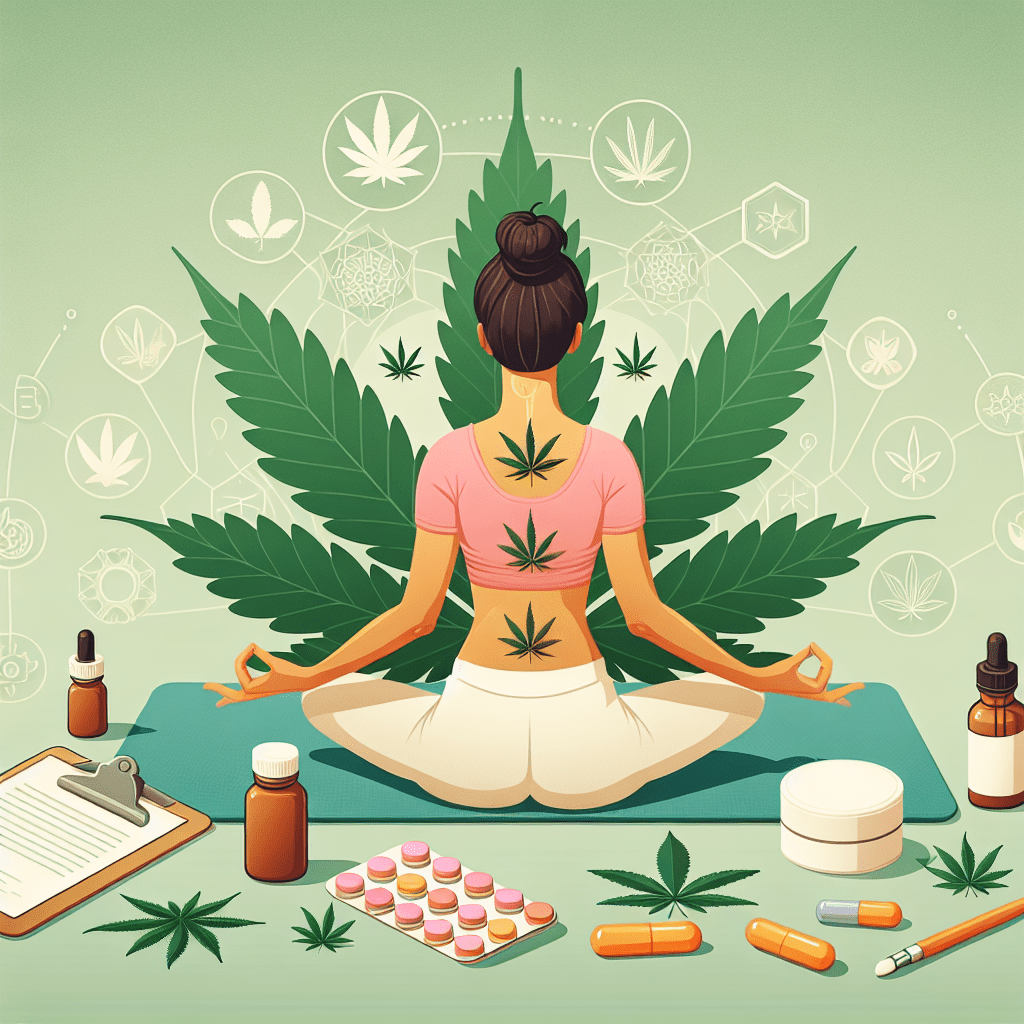
As the landscape of wellness continues to evolve, many individuals are turning to cannabis as a natural adjunct to enhance their health practices. From chronic pain relief to anxiety management, the plant’s various compounds offer a range of potential benefits that are increasingly supported by both research and anecdotal evidence. The shifting legal status of cannabis across the United States has further fueled interest in its wellness applications, leading many to explore how cannabis can fit into their personalized health journeys.
The Legal Landscape and Growing Acceptance
In recent years, notable changes in laws surrounding cannabis have significantly altered public perception. Currently, 37 states, along with the District of Columbia, have legalized medical cannabis, and 21 states have permitted recreational use. This shifting legal framework has ushered in an era of increased accessibility, allowing individuals to experiment with cannabis as a viable wellness option.
With this accessibility comes broader acceptance. Many health and wellness practitioners are beginning to view cannabis not as a substance of stigma, but as a legitimate tool for enhancing mental and physical health. This cultural shift involves integrating cannabis into holistic health practices alongside traditional methods such as diet, exercise, and mindfulness.
Understanding Cannabis Components
At the heart of cannabis’s wellness potential are its two primary compounds: cannabinoids and terpenes. The most well-known cannabinoids are tetrahydrocannabinol (THC) and cannabidiol (CBD). THC is psychoactive and often associated with the "high" of cannabis, while CBD does not induce intoxication and is recognized for its therapeutic benefits. Furthermore, emerging research indicates that cannabinoids work best in concert—a phenomenon known as the "entourage effect."
Terpenes, the aromatic compounds found in many plants, also play a significant role in how cannabis affects the body. For instance, myrcene has sedative effects, while limonene offers uplifting properties. With various strains and products available, individuals can tailor their cannabis use to complement specific wellness goals, whether that’s enhancing sleep quality, reducing stress, or regulating appetite.
Mental Wellness: Strategies for Managing Anxiety and Depression
Research increasingly highlights the potential of cannabis in the realm of mental health. Many individuals report using cannabis to help with conditions like anxiety and depression, and preliminary studies suggest that CBD, in particular, may be beneficial in alleviating these symptoms. For instance, a 2022 study published in the Journal of Affective Disorders found that participants using CBD reported improved mood and reduced anxiety levels over a period of weeks.
Furthermore, recent advances in understanding the endocannabinoid system—a complex network of receptors and compounds in the human body—have illuminated how cannabis interacts physiologically. This system regulates a range of functions, including mood, memory, and stress response, which makes it a crucial focal point for researchers and practitioners interested in cannabis as a mental health ally.
Despite these promising findings, it’s essential for individuals to approach cannabis use with caution. Consulting healthcare professionals before incorporating cannabis into a mental health regimen is crucial to ensure safety and compatibility with existing treatments.
Physical Wellness: Pain Management and More
On the physical wellness front, an increasing number of individuals incorporate cannabis products to manage chronic pain. Conditions such as arthritis, fibromyalgia, and neuropathy are often cited as ailments for which patients find relief through cannabis use. Notably, a meta-analysis published in Pain Medicine found that cannabis-based medicines significantly reduce pain, suggesting real potential for cannabis as a pain management alternative.
Beyond pain relief, cannabis has shown promise in other areas of physical wellness, including support for better sleep and appetite regulation. This is particularly relevant as more people face sleep disturbances and dietary issues, such as loss of appetite during illness or chronic conditions. Strains high in THC are often favored for their sedative effects, which can facilitate deeper, more restorative sleep.
Integrating Cannabis Into Your Wellness Routine
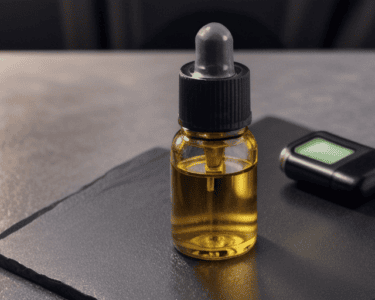
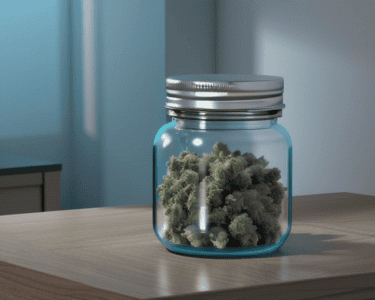
Integrating cannabis into a wellness routine can take various forms—ranging from smoking and vaping to oils, tinctures, edibles, and topicals. Each method offers distinct advantages and drawbacks, depending on individual preferences and desired outcomes. For instance, while smoking provides immediate effects, edibles may offer longer-lasting relief.
When starting this journey, it’s advisable to adopt a gradual, mindful approach: Begin with low doses and observe how your body responds. Keeping a journal can be a useful way to track experiences, making adjustments based on your findings. Additionally, many dispensaries now employ wellness consultants who can provide personalized guidance when selecting products.
Current Trends and Future Opportunities
As research continues to unfold, the cannabis industry is thriving, with new products and innovations frequently entering the market. Noteworthy trends include the rising popularity of microdosing—using very small amounts of cannabis to achieve subtle effects—and a growing focus on wellness-focused product lines, such as CBD-infused beverages and skincare.
Moreover, as more states consider legalization and experimentation with different forms of cannabis therapy burgeons, the understanding of cannabis as a wellness tool will only deepen. This advancement offers exciting opportunities for healthcare providers to integrate cannabis education and therapy into conventional medical practices.
Conclusion: Reflections on Cannabis in Wellness
In light of its rich history and evolving role in American society, cannabis presents a unique opportunity to enhance personal wellness journeys. As more individuals turn toward this plant for holistic healing, it is essential to prioritize education and responsible use. In doing so, we can better harness the potential benefits of cannabis while mitigating the risks.
Ultimately, the journey of wellness is deeply personal and multifaceted. As you consider how cannabis might fit into your own journey, remember that it’s not just about finding a remedy—it’s about exploring a new dimension of health and well-being in pursuit of a balanced life. Whether viewed through the lens of mental, emotional, or physical health, cannabis holds meaningful possibilities worth exploring. Reflect on your own wellness needs, and consider how this ancient plant may enhance your journey towards a healthier, more fulfilling life.