

 By
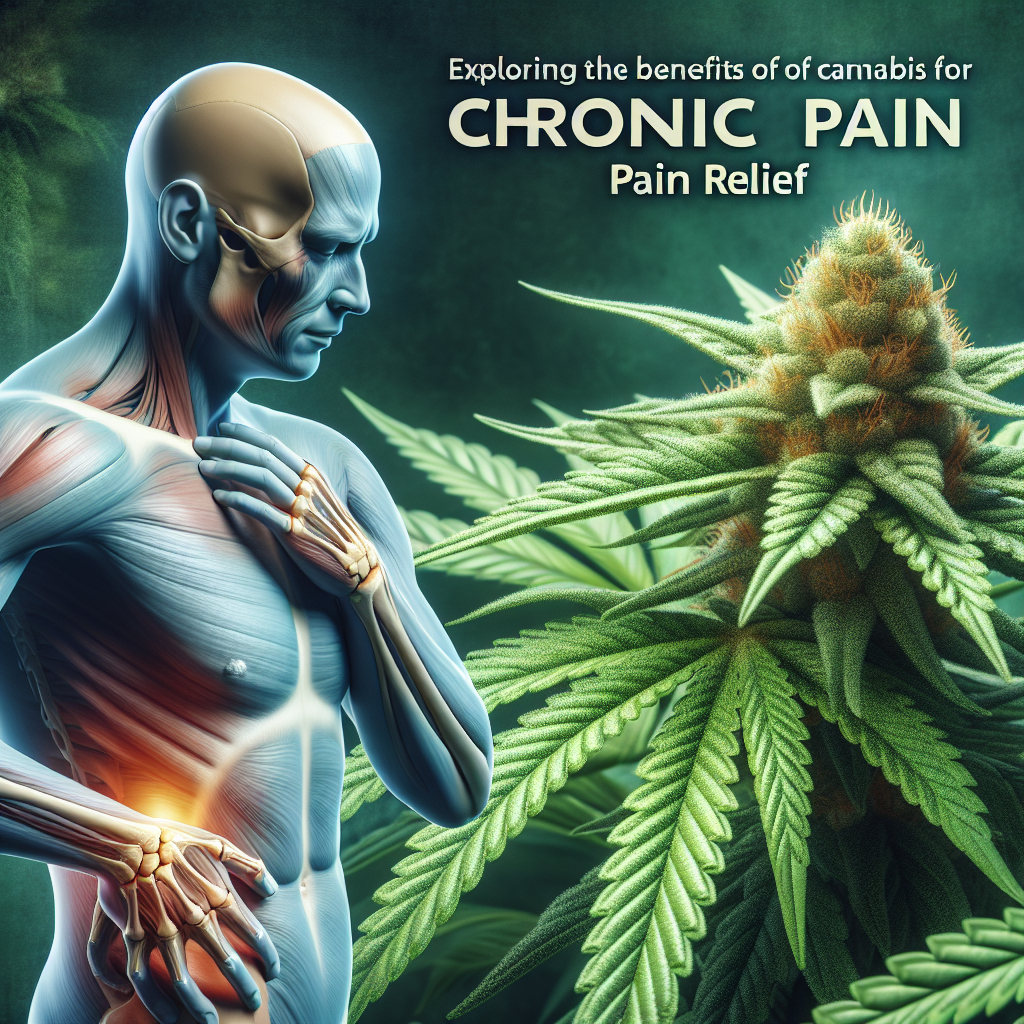
By Exploring the Benefits of Cannabis for Chronic Pain Relief in the United States
Chronic pain affects millions of Americans, often leaving them in a perpetual cycle of discomfort. Traditional pain management options, including opioids and over-the-counter medications, can come with serious side effects and risks of dependency. As a result, many individuals are turning to cannabis as an alternative remedy for pain relief. This article delves into the benefits of cannabis for chronic pain management, examining current trends, expert insights, and the regulatory landscape across the United States to provide a well-rounded perspective on this burgeoning field.
Understanding Chronic Pain and Its Impact
Chronic pain is defined as any pain lasting longer than three to six months, and it can stem from various conditions, including arthritis, fibromyalgia, and neuropathy. According to the Centers for Disease Control and Prevention (CDC), approximately 20% of U.S. adults experience chronic pain. Beyond the physical toll, chronic pain can significantly affect an individual’s mental health, leading to anxiety, depression, and even social isolation. Thus, finding effective, safe, and sustainable pain relief methods is paramount for improving quality of life.
The Rise of Medical Cannabis
Over the past decade, public perceptions of cannabis have shifted dramatically. Once viewed primarily as an illicit substance, cannabis is increasingly recognized for its therapeutic benefits. In 2023, more than 40 states have legalized medical cannabis in some form, reflecting a growing consensus on its potential benefits for various medical conditions, including chronic pain. Research has revealed that cannabis compounds, primarily THC (tetrahydrocannabinol) and CBD (cannabidiol), possess anti-inflammatory and analgesic properties that can be beneficial for pain relief.
Current Research and Efficacy
In recent years, numerous studies have explored the effectiveness of cannabis as a treatment for chronic pain. A study published in the Journal of Pain Research in 2023 found that 60% of participants with chronic pain experienced significant relief after using medical cannabis. Patients reported improvements in their overall quality of life, including better sleep and reduced emotional distress. These findings align with earlier research suggesting that cannabis can help alleviate pain by interacting with the body’s endocannabinoid system, which plays a vital role in regulating pain, mood, and inflammation.
Experts like Dr. Ethan Russo, a neurologist and renowned cannabis researcher, emphasize that while cannabis isn’t a panacea, it represents a valuable alternative for some individuals, especially those who have not found relief through conventional treatments. Dr. Russo’s work highlights the importance of understanding both the therapeutic potential and the individual variability in response to cannabis, underscoring the need for personalized treatment plans.
Trends in Cannabis Usage for Pain Relief
The landscape of cannabis use for pain relief is evolving, driven by changing regulations and social attitudes. One notable trend is the increasing availability of cannabis-infused products, such as oils, tinctures, and edibles, making it accessible for a broader audience. Many users prefer these formulations as they offer alternative ingestion methods to smoking, which may not be suitable for everyone.
In addition, telehealth has emerged as a key facilitator in the cannabis movement, allowing patients to consult with healthcare providers about medical cannabis remotely. This has simplified the process of obtaining medical cannabis recommendations, particularly for those living in states where access may be limited. The rise of online dispensaries further enhances accessibility, making it easier for chronic pain sufferers to obtain their preferred treatments.
Challenges and Considerations
Despite the optimistic outlook, challenges remain. One significant hurdle is the stigma associated with cannabis use, which can discourage patients from discussing it openly with their healthcare providers. Additionally, there is a need for more extensive research to better understand optimal dosing, the interplay of cannabinoids, and long-term effects. While anecdotal evidence abounds, solid scientific backing is crucial for gaining broader acceptance in the medical community.
Legal discrepancies between states further complicate the landscape. While states like California and Colorado have embraced cannabis use, others remain staunchly opposed, creating a patchwork of regulations that can confuse patients. Moving forward, advocacy for federal legalization or reform will be essential for standardizing medical cannabis practices across the country.
The Future of Cannabis in Pain Management
Looking ahead, the future of cannabis for chronic pain relief holds promise. Ongoing research continues to explore various cannabinoids and their potential applications. The growing acceptance of cannabis as a legitimate medical treatment also opens the door for integration into conventional medical practices, fostering collaboration between traditional healthcare providers and cannabinoid specialists.
As more healthcare professionals begin to understand the benefits and limitations of cannabis for pain management, patients will likely receive more informed guidance. With regulatory frameworks evolving and a body of scientific research expanding, a more holistic and integrative approach to chronic pain management may emerge.
Conclusion: A Path Toward Relief and A Shift in Perception
The exploration of cannabis as a therapeutic option for chronic pain represents a significant shift in the medical paradigm. With millions seeking effective pain relief, cannabis offers an innovative alternative that deserves attention. While obstacles persist, the ongoing dialogue regarding its benefits and risks, coupled with increasing research advancements, paints an optimistic picture for patients and healthcare providers alike.
As we continue to break down the barriers of stigma and regulation, cannabis could redefine how we approach chronic pain management, ultimately leading to improved health outcomes and quality of life for countless individuals across the United States. The cannabis conversation is far from over, and its potential to enhance chronic pain relief remains a vital area of exploration deserving of focused advocacy and research.