 By
By [ad_1]
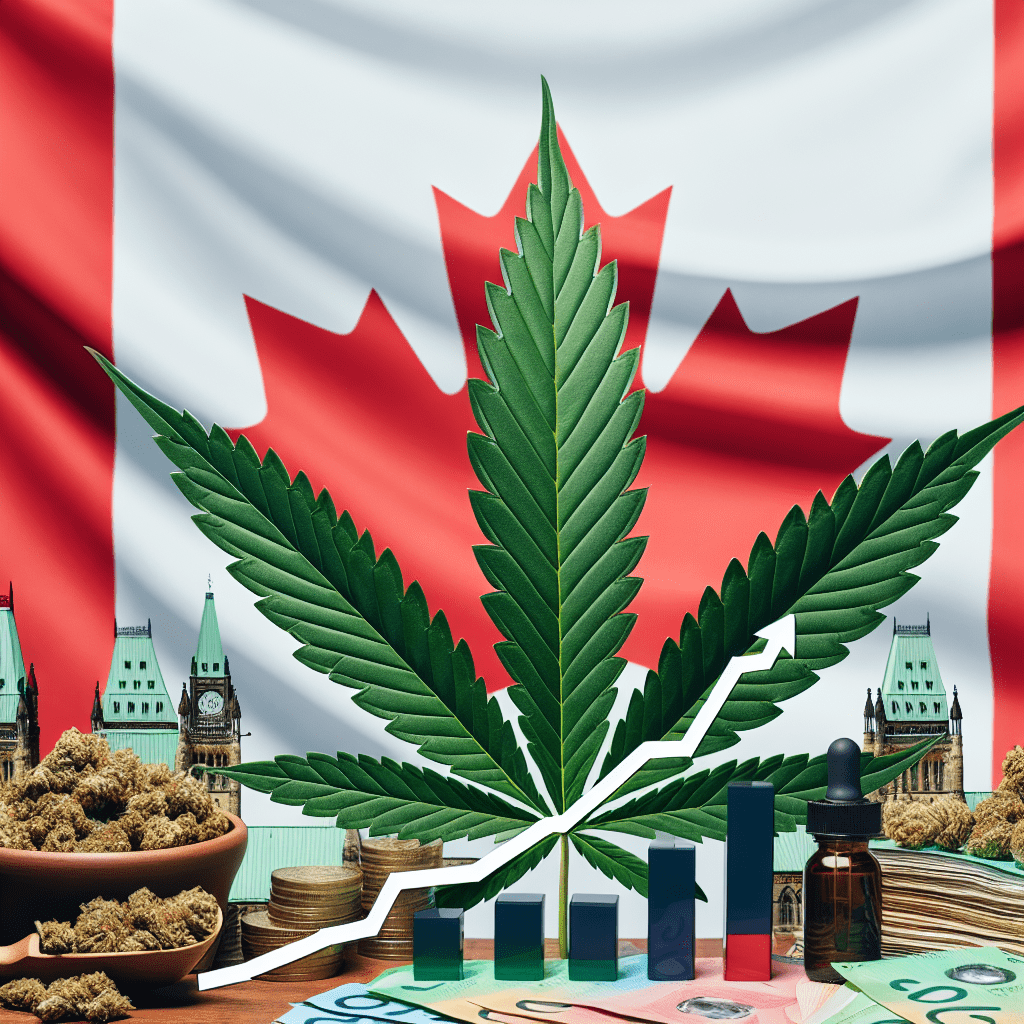
Since the legalization of recreational cannabis in Canada in October 2018, the nation has witnessed profound economic transformations. As Canada emerges as a global leader in the cannabis industry, the implications for neighboring countries, particularly the United States, are becoming increasingly significant. This article delves into the economic benefits observed in Canada’s legal cannabis sector and considers how these insights could inform U.S. policy as many states move toward legalization.
The Economic Landscape of Legal Cannabis in Canada
The emergence of a legal cannabis market in Canada has manifested in various economic dimensions. Initial forecasts anticipated a moderate market size, but the results have exceeded expectations. According to Statistics Canada, the legal cannabis industry generated approximately CAD $4.4 billion in sales in 2020, a figure that has been on a steady rise. Despite the challenges posed by the COVID-19 pandemic, the sector proved to be resilient, demonstrating extraordinary growth potential.
A vital aspect of this growth can be attributed to tax revenue. The Canadian government imposes a range of taxes on cannabis sales, ranging from provincial sales taxes to excise duties. In 2020, Canadian provinces alone reported CAD $1.2 billion in tax revenue from cannabis, supporting public services from education to healthcare. These figures offer a glimpse into the potential financial windfall that could be harnessed from legal cannabis in jurisdictions across the U.S.
Job Creation and Economic Development
The legal cannabis industry in Canada is notable not only for its revenue generation but also for its capacity to create jobs. In 2021, the industry was responsible for approximately 43,000 jobs, ranging from cultivation and processing to retail sales. The craft cannabis segment, which appeals to local markets and emphasizes artisanal products, is particularly beneficial for job creation in rural areas.
This transformation has wider implications for community empowerment. Local farmers and entrepreneurs are stepping into the cannabis space, often revitalizing economically distressed regions. As cities and towns witness new business development and increased foot traffic, ancillary industries such as hospitality and tourism also experience a boost. This trend illustrates how cannabis legalization can serve as a catalyst for broader economic rejuvenation.
Regulatory Framework and Business Opportunities
Canada’s regulated framework offers valuable lessons for the United States, where cannabis remains illegal at the federal level but has seen significant state-by-state legalization. The regulatory system in Canada, often hailed as a model, emphasizes safety and quality assurance while paving the way for innovative business opportunities—from biotech firms focused on cannabis-based medical solutions to retail establishments experimenting with unique consumer experiences.
Furthermore, Canada’s legal framework allows for public health campaigns that educate consumers on responsible usage. This is critical in shaping consumer behaviors in a manner that mitigates risks associated with misuse. As American states begin to formulate their own regulations, they can borrow insights from Canada’s balanced approach, creating a framework that emphasizes safety while fostering economic opportunities.
Challenges and Lessons Learned
While the benefits of Canada’s legal cannabis industry are substantial, challenges remain. The sector has grappled with issues such as supply chain disruptions, regulatory inconsistencies across provinces, and competition from the illicit market. Recent data suggests that more than 30% of cannabis consumed in Canada still comes from illegal sources, indicating that high taxes and prices may drive consumers to unregulated options.
These challenges provide critical insights for the U.S. as it debates its own path forward. Striking the right balance between regulation and accessibility is essential. If states impose excessively high taxes, they risk alienating consumers, inadvertently sustaining the underground market. With careful oversight, legislative bodies can learn from Canada’s missteps, striking a balance that encourages legalization while providing consumers with safe and affordable access to cannabis.
Future Prospects and the U.S. Cannabis Market
The cannabis industry in Canada lays the groundwork for the future of marijuana legalization in the U.S. As more states adopt legal frameworks, the economic benefits observed in Canada offer a promising outlook. Analysts predict that by 2025, the U.S. cannabis market could exceed USD $41 billion. This growth trajectory points toward significant tax revenues, job creation, and health benefits, particularly in states that apply a thoughtful regulatory approach.
Moreover, as Canada solidifies its position in the global cannabis market, partnerships with U.S. companies are becoming increasingly vital. With American firms looking to capitalize on the expanding cannabis market in Canada, collaboration could lead to innovations, shared best practices, and robust economic interactions. Ultimately, this international exchange stands to benefit consumers on both sides of the border.
Conclusion
As the legal cannabis industry continues to mature in Canada, the economic benefits become increasingly apparent. From job creation and tax revenues to consumer safety and industry innovation, the successes and challenges of Canada’s approach to cannabis offer invaluable lessons for the United States. As American states navigate their unique paths toward legalization, reflecting on Canada’s experience may pave the way for a future where legal cannabis becomes a cornerstone of economic growth, job creation, and public well-being. The evolving landscape of cannabis presents an opportunity not only for profit but also for building a more equitable and informed society, fostering dialogue, and challenging preconceived notions about this complex industry.
Ultimately, as discussions around cannabis policy broaden, it invites a pivotal question: How will the U.S. choose to shape its cannabis future in light of the compelling economic narrative unfolding just north of its border?
[ad_2]