 By
By [ad_1]
The Role of Cannabis in Sustainable Farming Practices in the United States
In recent years, the narrative around cannabis has dramatically shifted from one of stigma and prohibition to recognition of its potential benefits—both economically and environmentally. As more states in the U.S. move toward legalization, various facets of the cannabis industry are emerging. One of the most compelling areas of exploration is the intersection of cannabis production and sustainable farming practices. With climate change becoming an urgent concern, the role of cannabis in promoting environmentally friendly agricultural practices is worthy of deeper investigation.
A Growing Industry
The U.S. cannabis industry has seen immense growth, projected to reach $73.6 billion by 2027, according to industry analysts. This burgeoning market is not only about profits; it also presents opportunities for sustainable agricultural advancements. Studies have shown that cannabis cultivation can align with sustainable practices in various ways, including crop rotation, soil health improvement, and integrated pest management. These practices can foster biodiversity, reduce chemical inputs, and enhance overall farm resilience while addressing the demand for a versatile plant that can be utilized for medicinal, recreational, and industrial purposes.
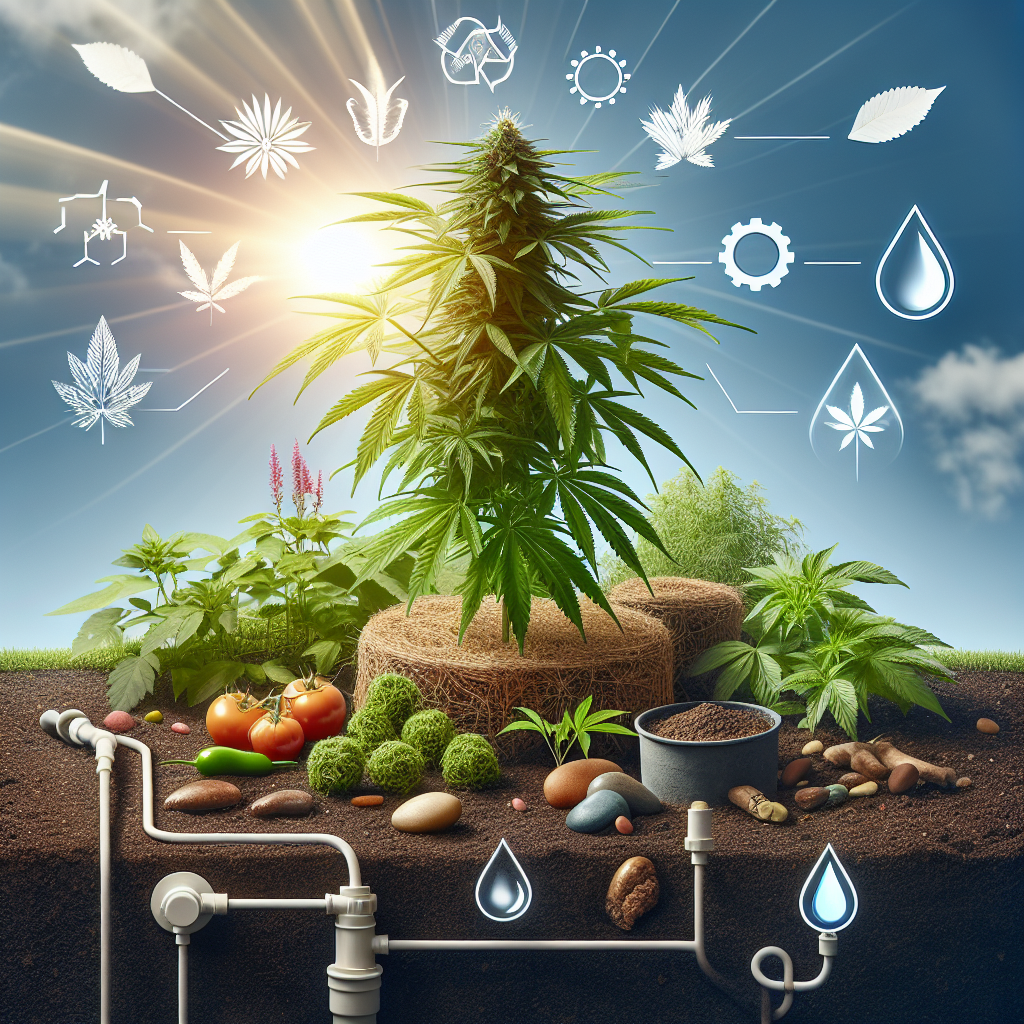
For many farmers, particularly those new to cannabis cultivation, the application of sustainable practices begins with soil health. Several cannabis farmers are employing regenerative agriculture techniques, which focus on restoring soil health through natural composting and minimal tillage. Regenerative approaches are proving effective, as they not only improve the quality of the soil but also increase carbon sequestration, contributing to climate mitigation efforts. Additionally, using organic fertilizers helps decrease reliance on synthetic chemicals, presenting a double benefit for both crop quality and environmental health.
Water Usage and Conservation
Water sustainability is another critical component of sustainable farming that cannabis is uniquely positioned to address. Traditional agricultural practices, particularly in the cultivation of high-water crops, can lead to significant water waste. However, cannabis is evolving alongside the broader narrative of water conservation in farming. Innovative farms are using drip irrigation and rainwater harvesting systems to minimize water usage. For instance, the Sonoma County Cannabis Association has worked on initiatives promoting efficient water management techniques among cannabis farmers, ensuring that water resources are used judiciously while maintaining the health of the crop.
Interestingly, several cannabis growers have also spearheaded partnerships with local conservation groups aimed at promoting watershed health. By adopting practices that help restore local ecosystems, cannabis farms are positioning themselves as champions of environmental sustainability. An example of this is found in regions of Oregon, where cannabis growers participate in reforestation efforts and habitat restoration, working to repair the ecological damage caused by other industrial practices.
Social Responsibility and Local Economies
Beyond environmental benefits, cannabis farming practices also offer opportunities for enhanced social responsibility within local communities. With the legalization of cannabis often accompanied by social equity programs, many states are focusing on ensuring that historically marginalized communities gain equitable access to the growing cannabis market. The cultivation of cannabis can be especially empowering for small farmers who may have been sidelined in the traditional agricultural system. As a result, sustainable farming practices in the cannabis industry are intertwined with social and economic justice, fostering local economies and empowering local communities.
For instance, organizations like the Minority Cannabis Business Association (MCBA) are advocating for policies that prioritize inclusivity in the cannabis industry, and many small-scale cannabis farmers are starting cooperatives that focus on sustainable practices and community engagement. These efforts not only nurture local economies but also reinforce the connection between environmental stewardship and social equity.
Challenges and Future Directions
While the promise of sustainable cannabis farming is significant, challenges remain. Regulatory barriers, particularly concerning water usage, pesticides, and land use, can hinder the adoption of sustainable methods. Additional hurdles include the ongoing stigma surrounding cannabis cultivation, which can complicate relationships with local communities and decision-makers. Yet, there are indications of progress. With increased awareness of cannabis’s environmental potential, states are gradually adjusting regulations to better support sustainable practices.
The future of cannabis in sustainable farming will likely depend on collaborative efforts between farmers, researchers, policymakers, and community organizations. Innovative practices, such as vertical farming and aquaponics, are increasingly being explored within the cannabis sector, providing exciting avenues for sustainable growth. Researchers are studying the efficacy of these methods, as well as their potential scalability, which could lead to broader applications in sustainable agriculture beyond cannabis.
Conclusion
The role of cannabis in sustainable farming practices embodies a transformative approach to agriculture in the United States. As the cannabis industry continues to grow, it offers opportunities for ecological restoration, social equity, and economic development. By reimagining how we cultivate cannabis—from prioritizing soil health to promoting local economies—farmers can align their practices with the urgent need for sustainability.
This intersection between cannabis cultivation and sustainable farming empowers communities while addressing some of the most pressing environmental challenges of our time. As we explore the potential of cannabis, we must remain vigilant in advocating for policies and practices that support sustainable growth. The journey toward an equitable and environmentally responsible cannabis industry is not only worthwhile; it is essential for the well-being of our planet and future generations. As we move forward, the question remains: How can we leverage the lessons learned from cannabis cultivation to inform broader sustainable agricultural practices? The answers may hold the key to a more sustainable agricultural future for all.
[ad_2]