
 By
By [ad_1]
Exploring the Fusion of Cannabis and Wellness in the United States
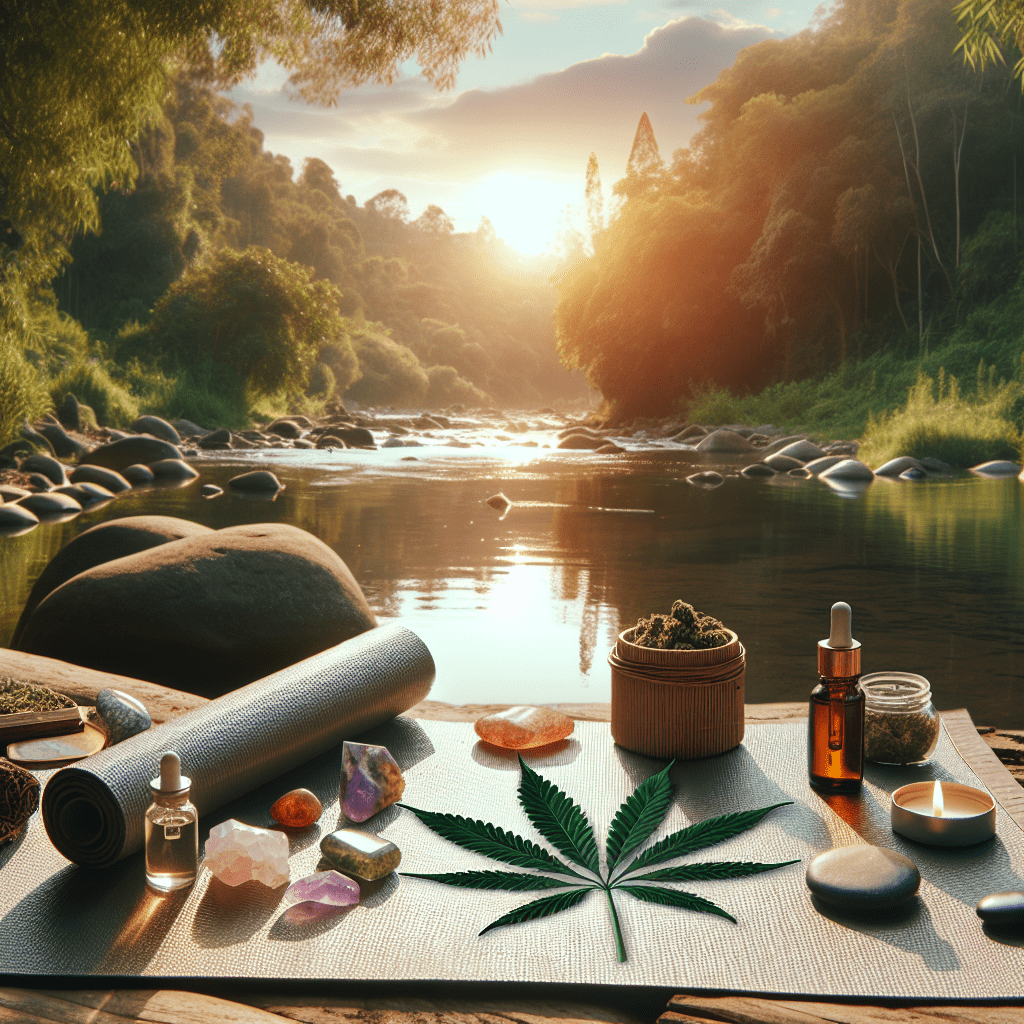
In recent years, the United States has witnessed a significant shift in the perception and integration of cannabis into wellness practices. Once relegated to the fringes of society, cannabis is now emerging as a mainstream component of health and self-care routines. This transformation is driven by evolving consumer attitudes, legislative changes, and a burgeoning market of innovative products designed to promote well-being.
The Evolving Landscape of Cannabis Legislation
The journey toward cannabis acceptance in the U.S. has been marked by a series of legislative milestones. As of October 2025, 24 states, along with territories like Guam and the U.S. Virgin Islands, have legalized the non-medical use of cannabis. Additionally, seven states have decriminalized its use, reducing penalties for possession of small amounts. This progressive legal framework has paved the way for a more open dialogue about cannabis’s role in health and wellness.
In December 2022, the Medical Marijuana and Cannabidiol Research Expansion Act was enacted, marking a significant step in facilitating scientific research on cannabis. This legislation aims to broaden the understanding of cannabis’s therapeutic potential, providing a foundation for evidence-based wellness applications. (en.wikipedia.org)
Cannabis as a Wellness Product
The perception of cannabis has undergone a profound transformation. No longer viewed solely as a recreational substance, it is increasingly recognized as a wellness product. Consumers are turning to cannabis-based remedies for pain relief, anxiety management, and mental health support. Innovative products such as cannabis-infused beverages, topicals, and sleep aids are becoming staples in health and wellness routines. (cannabisdealsus.com)
The demand for these products is evident in the market’s growth. In 2023, the number of registered medical cannabis patients in the U.S. surpassed 5 million, reflecting a 25% increase from the previous year. This surge indicates a growing acceptance and reliance on cannabis for therapeutic purposes. (alpharoot.com)
Advancements in Cannabis-Infused Products
The cannabis industry is witnessing a surge in innovative products that cater to the wellness market. Edibles, once limited to traditional forms like cookies and brownies, have diversified to include beverages, savory snacks, and even gummies with enhanced flavors and targeted effects. Brands are focusing on micro-dosing edibles to provide consumers with mild, manageable doses for everyday use, offering an alternative to traditional smoking or vaping. (highendmarketplace.com)
In 2023, Hi Flora! opened as Minnesota’s first THC restaurant, and the San Antonio soul food restaurant MxiCanna Cafe gives patrons the option of adding drops of delta-8. In Houston, Ninfa’s debuted a cannabis-infused margarita on April 20, 2024. These establishments signify a growing trend of integrating cannabis into dining experiences, reflecting its expanding role in social and culinary contexts. (en.wikipedia.org)
Sustainability and Eco-Conscious Practices
As environmental concerns continue to rise, cannabis producers are increasingly focusing on sustainable practices. This includes organic farming, water conservation, and reducing carbon footprints. The use of artificial intelligence and automation in cannabis cultivation is also increasing, helping optimize plant growth, reduce labor costs, and improve yield quality. (earthmed.com)
The Role of Technology in Wellness
Technology plays a pivotal role in enhancing the cannabis wellness experience. Innovations such as portable vaporizers equipped with Bluetooth compatibility allow users to control temperature settings and track sessions from their smartphones. This tech-driven evolution has made it easier for users to personalize their cannabis experiences, which is especially appealing to medical cannabis patients who benefit from precise dosages. (highendmarketplace.com)
Moreover, digital interventions like the MiWaves reinforcement learning algorithm are being developed to support cannabis use reduction among emerging adults. These technologies aim to provide personalized, real-time interventions, highlighting the intersection of technology and wellness in the cannabis space. (arxiv.org)
Challenges and Considerations
Despite the positive strides, the integration of cannabis into wellness practices is not without challenges. Regulatory complexities, varying state laws, and lingering societal stigmas continue to pose obstacles. Additionally, the need for comprehensive research to fully understand the long-term effects of cannabis use on health remains a critical area of focus.
Conclusion
The fusion of cannabis and wellness in the United States represents a dynamic and evolving landscape. Legislative advancements, innovative product development, and changing consumer attitudes are collectively reshaping the role of cannabis in health and self-care. As the industry continues to mature, it is essential to balance enthusiasm with caution, ensuring that wellness practices are grounded in scientific evidence and responsible use. The journey of integrating cannabis into wellness is a testament to society’s capacity for growth, adaptation, and the pursuit of holistic well-being.
[ad_2]