

 By
By [ad_1]
Cannabidiol (CBD) has surged into the mainstream conversation around health and wellness in the United States, particularly in the last few years. Derived from the hemp plant, CBD is one of over 100 cannabinoids found in cannabis. Unlike its more famous counterpart, THC (tetrahydrocannabinol), CBD does not produce a high, making it an appealing option for those seeking relief without intoxication. The healing potential of CBD in everyday life has garnered considerable attention, prompting both scientific inquiry and consumer interest. This article delves into the therapeutic benefits of CBD, current trends, expert insights, and what the future holds for this versatile compound.
The Therapeutic Benefits of CBD
Research indicates that CBD possesses various therapeutic properties. One of the most prominent uses of CBD is for pain relief. Studies have shown that cannabinoids can interact with the endocannabinoid system, which regulates pain, mood, and immune response in the body. For individuals suffering from chronic pain conditions like arthritis or fibromyalgia, CBD may offer a natural alternative to traditional painkillers, which often come with unpleasant side effects.
Moreover, CBD has been celebrated for its anxiety-reducing effects. According to a study published in the Journal of Psychopharmacology, CBD may help reduce anxiety levels in individuals with social anxiety disorder and general anxiety disorder. The compound appears to influence serotonin receptors in the brain, contributing to feelings of social comfort and emotional stability. Such findings are particularly relevant in a time where anxiety disorders are on the rise, exacerbated by modern-day stresses.
Current Trends in CBD Consumption
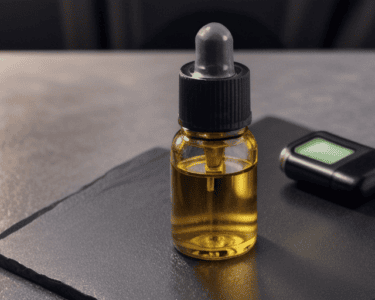
As interest in CBD has grown, a plethora of products has flooded the market. From oils and tinctures to edibles, capsules, and topical creams, consumers now have a wide array of options to choose from. The increasing availability of CBD products is, in part, a response to the growing awareness of its potential health benefits. Data from the 2021 Hemp Industry Daily Conference indicates that the U.S. CBD market is expected to reach $20 billion by 2024, highlighting its growing prevalence in everyday life.
Notably, lifestyle brands are beginning to incorporate CBD into their offerings, aiming to tap into wellness trends. For example, CBD-infused beverages, beauty products, and even pet supplies are becoming commonplace. This market expansion points to a cultural shift towards integrating holistic health solutions into daily routines, as consumers seek natural ways to enhance their well-being.
Expert Insights and Regulatory Challenges
Despite its promising benefits, the CBD market faces challenges, particularly regarding regulation and standardization. The FDA has acknowledged the therapeutic potential of CBD but has yet to establish a comprehensive framework for its regulation. This lack of clarity can lead to inconsistencies in product quality and labeling, which can confuse consumers. Experts like Dr. Ethan Russo, a prominent cannabis researcher, emphasize the importance of reliable product sources and transparent labeling to ensure consumer safety.
In 2022, the FDA held a series of public hearings to gather data on the use of CBD in food and dietary supplements. While the outcome of these hearings is yet to be fully realized, they signal a vital step towards creating a regulatory environment where consumers can safely explore CBD’s healing potential. Experts agree that such regulations could not only help standardize dosages but also reinforce the market’s credibility.
Personal Stories of Transformation
Personal anecdotes further illustrate CBD’s impact on everyday life. Anecdotal evidence from users highlights significant improvements in conditions ranging from anxiety and insomnia to chronic pain. For instance, Sarah, a 32-year-old graphic designer from New York, shared her experience of using CBD oil to manage her anxiety. “Before CBD, I constantly felt overwhelmed and unable to focus,” she recounted. “Since incorporating it into my routine, I feel calmer, which has improved both my work performance and personal relationships.”
Such stories resonate with many who are seeking alternative solutions to health issues. By sharing their experiences, users advocate for the potential health benefits of CBD, encouraging wider acceptance and exploration within different communities.
The Future of CBD in Healthcare
As research and consumer interest evolve, the future of CBD in healthcare appears bright. Ongoing studies are assessing its potential in anti-inflammatory, anti-seizure, and even anti-cancer therapies. For instance, Epidiolex, a CBD-based drug approved by the FDA, has shown promising results in reducing seizure frequency in patients with certain types of epilepsy. Such developments underline the necessity for continued research into the medicinal applications of CBD.
Furthermore, as the stigma surrounding cannabis diminishes, healthcare professionals may become more inclined to integrate CBD into therapeutic practices. A growing number of doctors are beginning to educate themselves on cannabinoid therapies, facilitating informed conversations with patients regarding alternative treatments. The inclusion of CBD in traditional healthcare settings could herald a more holistic approach to healing, focusing on both physical and mental well-being.
Conclusion: A New Era of Wellness
In conclusion, the exploration of CBD’s healing potential in everyday life is merely at its inception. As we navigate a landscape filled with possibilities, it is essential to approach it with an informed perspective. From its demonstrated benefits for pain and anxiety to its expanding market presence, CBD holds promise as a pivotal component of modern wellness. As regulations evolve and research continues to emerge, consumers and healthcare professionals alike should remain engaged in discussions about this remarkable compound. Ultimately, embracing such natural alternatives could significantly enrich our understanding of health, leading us to deeper, more integrated approaches to well-being. The journey toward holistic wellness is just beginning—will you join it?
[ad_2]