
 By
By [ad_1]
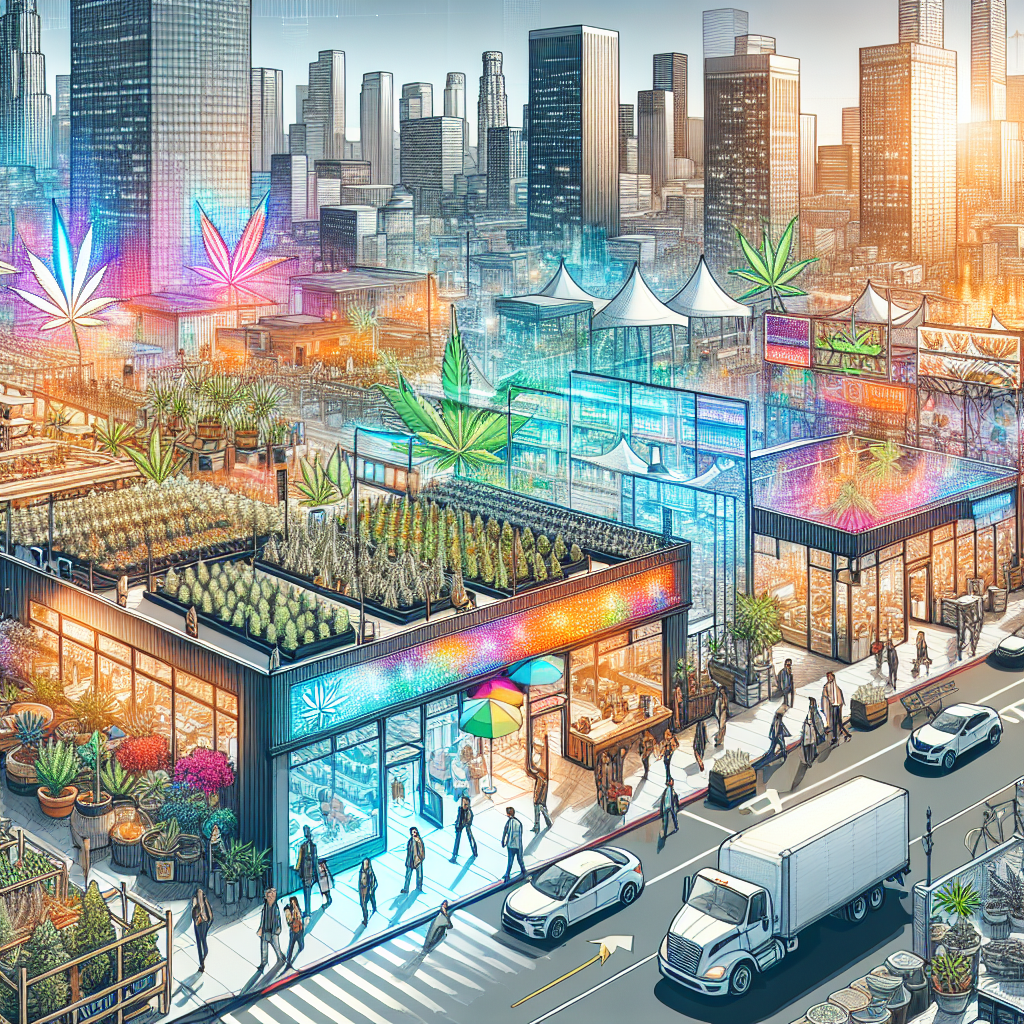
The cannabis industry in Los Angeles has transformed dramatically over the past decade, evolving from the shadows of prohibition into a booming, regulated market. With California’s legalization of recreational cannabis in 2016, LA has emerged as a worldwide hub for both cannabis cultivation and innovation. Today, we explore the dynamic landscape of this market, highlighting key innovations, current trends, and the potential implications for the future.
The Birth of a New Industry
Since the passing of Proposition 64, the retail cannabis market in California has exploded. Los Angeles, with its sprawling urban environment and diverse consumer base, serves as the epicenter of this growth. The city is home to thousands of licensed cannabis retailers, cultivators, and manufacturers. These businesses have not only contributed to the state’s economy but have also led to significant changes in public perception surrounding cannabis use.
Central to this transformation is the rise of technology in the cannabis space. From advanced cultivation techniques to sophisticated point-of-sale systems, technology is revolutionizing how cannabis is grown, sold, and consumed. For instance, vertical farming and hydroponic systems allow cultivators to maximize productivity while optimizing the use of resources, addressing both sustainability and efficiency. As these technological improvements become commonplace, they are setting new standards in the industry.
The Role of Sustainability
Sustainability has become a focal point in the LA cannabis scene, with many businesses prioritizing eco-friendly practices. From organic cultivation methods to sustainable packaging solutions, consumers are increasingly concerned about the environmental impact of the products they purchase. Forward-thinking companies are capitalizing on this trend by integrating sustainability into their brands. According to a 2022 report by the California Cannabis Industry Association, the push towards sustainability has led to a 25% increase in sales for eco-conscious brands.
One example is the Greenhouse of the Future, a revolutionary cultivation model developed by a local startup. This innovative facility uses a combination of solar energy and water recycling systems, significantly reducing the environmental footprint of cannabis farming. Such initiatives are not only attractive to eco-minded consumers but also position these companies as leaders in the industry, promoting a long-term vision of responsible cannabis cultivation.
The Digital Revolution
With the rise of cannabis, the digital landscape has also adapted to meet consumer demands. E-commerce in the cannabis sector has seen explosive growth, particularly following the COVID-19 pandemic. Delivery services, curbside pickup, and online ordering have become the norm, catering to a growing preference for convenience among consumers. Cannabis marketplaces like Weedmaps and Eaze have emerged, providing user-friendly platforms for consumers to explore products, compare prices, and read reviews.
Additionally, cannabis tech has paved the way for innovative consumer experiences. Virtual reality (VR) and augmented reality (AR) are making their way into dispensaries, enhancing customer engagement. Some businesses provide virtual tours of their cultivation facilities, offering an immersive perspective on the product origin. This level of transparency not only builds trust but also educates consumers about the complex world of cannabis.
Social Equity and Community Impact
As the LA cannabis market continues to expand, the conversation around social equity remains crucial. The legacy of the War on Drugs has disproportionately affected marginalized communities, and as the industry grows, so too does the responsibility to correct these historical injustices. In response, Los Angeles has implemented several initiatives aimed at promoting social equity within the cannabis industry, such as providing grants, training, and resources for individuals from these communities.
Programs designed to assist those adversely impacted by cannabis prohibition are gaining traction. The city has launched the LA ReLeaf program, which offers training and financial support to entrepreneurs from underrepresented backgrounds. By fostering inclusivity, LA aims to create a more equitable market that not only benefits the economy but also heals the social fabric of the community.
Trends Shaping the Future
As we glance toward the future, several trends are poised to shape the evolving landscape of LA’s cannabis market. In addition to sustainability and technological advancements, consumer preferences are shifting toward more personalized experiences. As cannabis becomes more mainstream, consumers are seeking products tailored to their specific needs and lifestyles, whether it be for relaxation, creativity, or health.
Moreover, the cannabis wellness market is gaining momentum, with products such as CBD-infused beverages, topicals, and dietary supplements becoming increasingly popular. Health-conscious consumers are gravitating toward these alternatives as they recognize the therapeutic potential of cannabis, driving further diversification within the market.
Conclusion: A Future Brimming with Possibility
The innovations emerging from LA’s cannabis market reflect a broader cultural shift towards acceptance, sustainability, and community responsibility. As technology, social equity initiatives, and consumer preferences continue to evolve, they will undoubtedly shape the future of this dynamic industry.
However, as we embrace these changes, it is essential to consider the lessons from history. The growth of the cannabis market presents a unique opportunity to build an industry that prioritizes responsibility and inclusivity. As we look ahead, we must remain vigilant, ensuring that this innovative landscape benefits all communities and leads to a sustainable and equitable future for the cannabis industry in Los Angeles and beyond. The horizon is bright, but it is up to us to steer this burgeoning industry toward a path of responsible growth and social justice.
[ad_2]