

 By
By [ad_1]
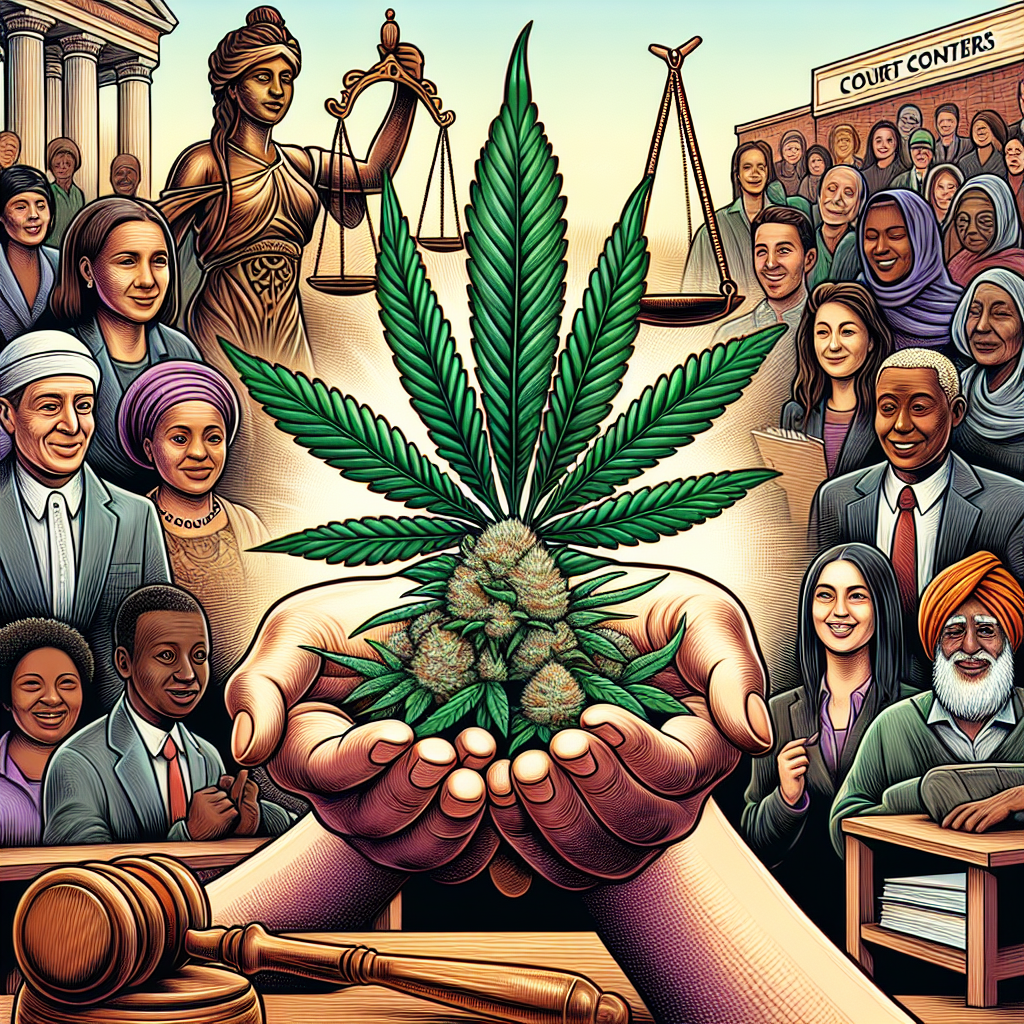
Advocating for Change: The Role of Cannabis in Social Justice in the United States
The conversation surrounding cannabis legalization in the United States has evolved significantly over the past few decades. Once demonized and criminalized, cannabis is now increasingly recognized not only for its medicinal benefits but also for its potential to promote social justice. As states move toward legalization and decriminalization, the implications for marginalized communities—particularly those disproportionately affected by anti-drug policies—are becoming clearer. Advocating for cannabis reform represents a crucial intersection of public health, civil rights, and economic equity.
The Historical Context
To fully appreciate the role of cannabis in social justice, it’s essential to understand the historical context of drug policy in the United States. The War on Drugs, initiated in the 1970s, disproportionately targeted communities of color, leading to mass incarceration and heightened criminalization. For instance, Black Americans are nearly four times more likely to be arrested for cannabis-related offenses compared to their white counterparts, despite similar usage rates. This systemic inequality has left lasting scars, exacerbating socioeconomic disparities. The fight for cannabis reform is not just about changing laws; it’s about rectifying decades of injustice rooted in discriminatory policies.
Current Trends in Legalization
As of 2023, over 20 states have legalized recreational cannabis, and many more have decriminalized its use. Recent polls indicate that approximately 70% of Americans support legalization, reiterating a growing acceptance of cannabis as a legitimate component of public life. Notably, states like New York and New Jersey have made explicit commitments to equity in their legal cannabis frameworks, emphasizing measures aimed at correcting the historical wrongs inflicted upon marginalized communities. The establishment of social equity programs is a critical step in ensuring that individuals from communities hit hardest by the War on Drugs can benefit from the burgeoning cannabis industry.
Economic Opportunities
Legalizing cannabis also presents economic opportunities that can help alleviate poverty in marginalized communities. The cannabis industry, projected to reach $43 billion by 2025, is creating jobs and generating tax revenues. States such as California and Colorado have generated hundreds of millions in tax revenue, which can be funneled back into the communities that have suffered due to previous cannabis policies. Social equity programs are being developed to ensure that those who have been affected by cannabis criminalization can access opportunities to own cannabis businesses. By providing grants, loans, and training programs, advocates are working to level the playing field and create pathways to economic independence.
Challenges Ahead
Despite these advancements, challenges remain. Many Black and Brown entrepreneurs still face significant barriers to entry into the cannabis market, from high startup costs to limited access to financing. Moreover, existing legal frameworks often fail to include provisions that address the needs of those most impacted by cannabis prohibition. Furthermore, there is a growing tension between large, corporate cannabis enterprises striving for market dominance and small-scale, community-owned businesses aiming for equitable participation. Addressing these disparities requires deliberate advocacy and concerted efforts from policymakers to create equitable regulations that not only permit but empower marginalized communities to thrive within the industry.
The Health and Healing Perspective
Beyond economic implications, cannabis is gaining traction as a therapeutic agent for various conditions, including PTSD, anxiety, and chronic pain. However, the historical stigma surrounding cannabis has often overshadowed its potential health benefits. In many cases, individuals of color have limited access to cannabis for medicinal uses due to previous criminalization, lack of information, or stigma. As legalization spreads, education about the medicinal properties of cannabis becomes more vital. Advocates emphasize that providing culturally competent cannabis education can improve health outcomes in communities that have been historically marginalized in healthcare.
Advocacy and Community Engagement
Grassroots advocacy is pivotal in this evolving landscape. Organizations are working tirelessly to educate communities about their rights, the benefits of cannabis reform, and how individuals can participate in advocacy efforts. More than just a legal issue, the fight for cannabis justice involves community members actively engaging with local governments and participating in the political process. Initiatives like community forums and educational workshops allow for open dialogue, fostering a collective understanding of the multiple dimensions surrounding cannabis legalization and its implications for social justice.
The Path Forward
As the cannabis landscape continues to evolve, the path toward social justice remains fraught with challenges but also filled with promise. Policymakers must take heed of the lessons from the past and prioritize restorative justice in any legalization efforts. Acknowledging the harms inflicted by the War on Drugs and designing policies that prioritize equity will be essential in this next chapter. This means integrating provisions for expungement of convictions, supporting small business development, and ensuring that marginalized communities are not only included but also leading in the cannabis dialogue.
Conclusion
The intersection of cannabis legalization and social justice in the United States presents a unique opportunity for systemic change. While considerable progress has been made, the journey is far from over. Advocating for changes in cannabis law is not simply about personal freedoms; it’s about rectifying generations of inequity and building a more just society. As stakeholders from all sectors come together to address the historical injustices that define cannabis policy, we must remember that true change requires both advocacy and action. The ongoing fight for social equity in cannabis invites us all to reflect on our values and envision a future where opportunity, health, and dignity are accessible to everyone, irrespective of race or economic status.
[ad_2]