
 By
By [ad_1]
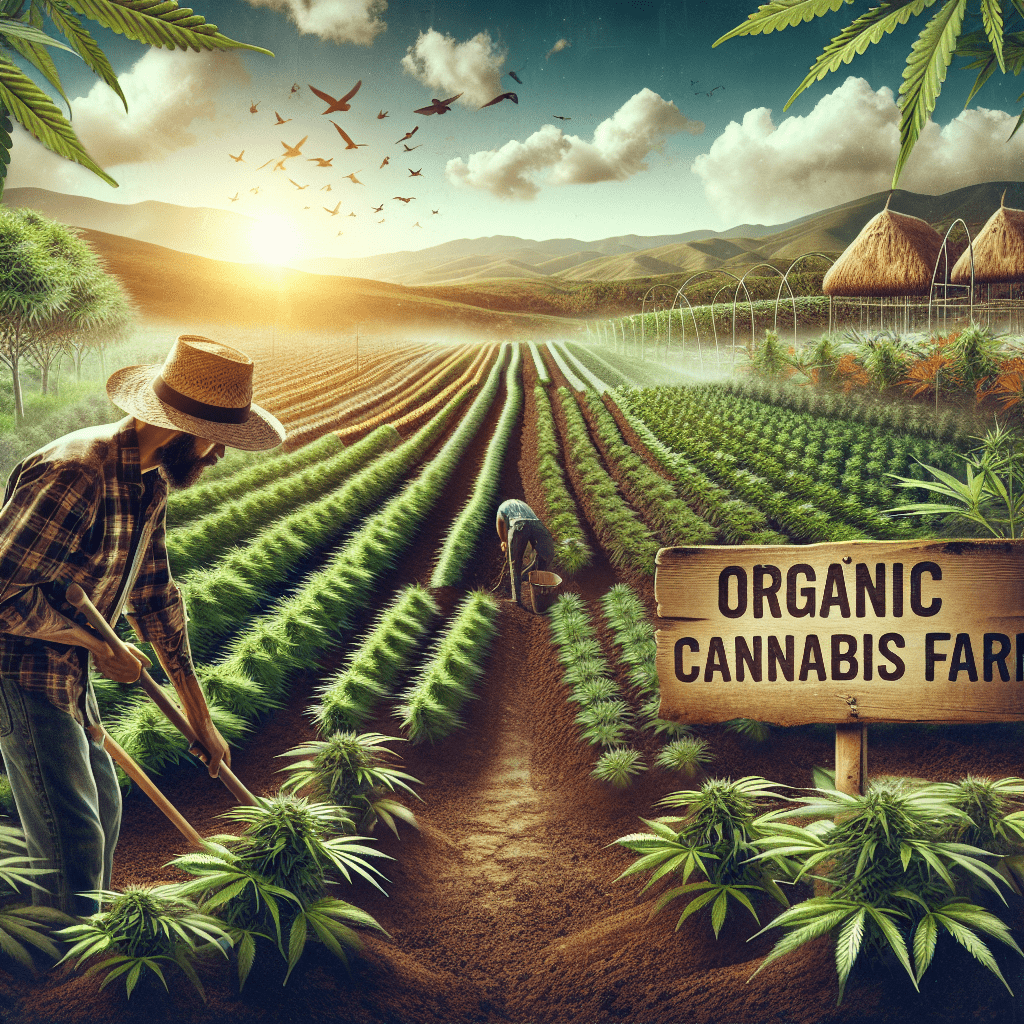
As the cannabis industry continues to flourish in the United States, organic cannabis farming has emerged as a pivotal aspect of this booming sector. With increasing consumer awareness around health and environmental sustainability, organic cultivation practices are gaining traction among growers and consumers alike. This article delves into the secrets of organic cannabis farming, exploring its benefits, challenges, and the latest trends shaping the industry.
The Rise of Organic Cannabis
The organic cannabis movement can be traced back to the broader organic farming movement of the late 20th century. As consumers became more health-conscious, they began to seek alternative agricultural practices that eschewed synthetic fertilizers and pesticides. In 2023, the trend has only intensified, with an increasing number of states legalizing cannabis for medical or recreational use. According to the 2022 Marijuana Business Factbook, the organic cannabis market is growing rapidly, accounting for approximately 20% of the overall cannabis market in states where it is legal to cultivate.
This growth has prompted farmers to adopt organic practices not just for the sake of the plant’s health, but also due to the preferences of their consumers. A survey conducted by New Frontier Data indicated that nearly 70% of cannabis consumers prefer organic products, viewing them as safer and more environmentally friendly. This consumer preference is prompting growers to align their operations with organic guidelines, which generally call for the use of natural fertilizers, pest control methods, and sustainable practices.
Fundamental Principles of Organic Farming
Organic cannabis farming prioritizes the use of sustainable practices that promote ecological balance and biodiversity. This approach typically incorporates methods such as crop rotation, companion planting, and the use of natural fertilizers like compost and worm castings. These practices not only enhance the health of the soil but also help to strengthen the plants’ immunity against pests and diseases.
Furthermore, organic farming emphasizes soil health as a cornerstone for cultivating high-quality cannabis. Healthy soil teems with microorganisms that support plant growth by enhancing nutrient uptake. A study published in the journal "Agronomy" highlights the importance of soil health in organic farming, stating that diverse microbial communities can lead to improved plant resilience and yield.
Challenges in Organic Cannabis Farming
Despite the numerous benefits, organic cannabis farming is not without its challenges. One notable obstacle is the regulatory landscape. In many states, cannabis remains classified as a Schedule I controlled substance, complicating the certification process for organic growers. The United States Department of Agriculture (USDA) has stringent regulations governing organic certification, and cannabis growers must navigate these regulations while adhering to local laws.
Moreover, the organic farming process is often labor-intensive and can yield lower crop returns compared to conventional farming methods. Organic farmers typically face higher production costs, which can impact profitability, especially in a highly competitive market. These challenges require growers to be not only knowledgeable about organic practices but also resourceful and innovative in managing their operations.
Current Trends and Innovations
In recent years, numerous innovations have emerged in the field of organic cannabis farming. Many growers are now employing advanced technologies, such as precision agriculture and sensor-based systems, to monitor environmental conditions and optimize growing practices. For example, smart irrigation systems can conserve water while ensuring that the plants receive optimal hydration, aligning with both economic and ecological sustainability goals.
Additionally, the shift towards regenerative agriculture—a farming philosophy that aims to restore soil health and enhance biodiversity—has gained traction among organic cannabis producers. The practice involves using cover crops, reduced tillage, and agroforestry techniques to create a more resilient agricultural system. As a result, many growers are not only focusing on organic certification but also exploring methods that go above and beyond standard organic practices.
Consumer Education and Awareness
As the demand for organic cannabis continues to rise, consumer education becomes increasingly paramount. With the proliferation of products on the market, consumers must discern which brands genuinely adhere to organic farming principles. Transparency in labeling and certification is critical. Several organizations, such as the Organic Cannabis Association, are advocating for clear standards and practices that consumers can trust.
Educational initiatives aimed at informing consumers about the benefits of organic cannabis are also becoming more common. Events such as cannabis expos and workshops have emerged as platforms for growers to share their knowledge about organic methods, sustainability, and the importance of supporting local farmers. By promoting direct interaction between consumers and farmers, these events can foster a more educated consumer base that values organic practices.
Looking Ahead: The Future of Organic Cannabis Farming
As the organic cannabis market evolves, it is crucial for growers to adapt to emerging trends and consumer demands. The integration of technology, regulatory advances, and sustainable practices will likely shape the future of organic farming in the cannabis sector. Furthermore, as research continues to illuminate the benefits of organic cultivation, we may see even greater shifts in consumer preferences towards organic products.
In conclusion, the secrets of organic cannabis farming in the United States are intricately tied to the principles of sustainability and consumer health. While challenges remain, innovations and current trends showcase a promising future for organic cannabis. As consumers become more discerning, the demand for high-quality, sustainably grown cannabis will drive growers to explore organic methods—not just for profit, but as a commitment to the health of the environment and their communities. The journey toward a more organic future in the cannabis industry offers a reflective opportunity for us all to consider how our agricultural practices impact our planet and our lives.
[ad_2]