
 By
By [ad_1]
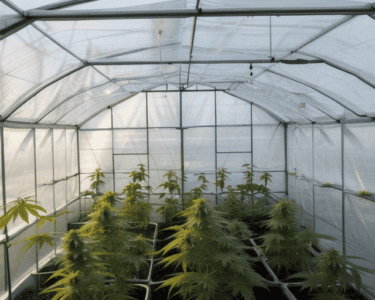
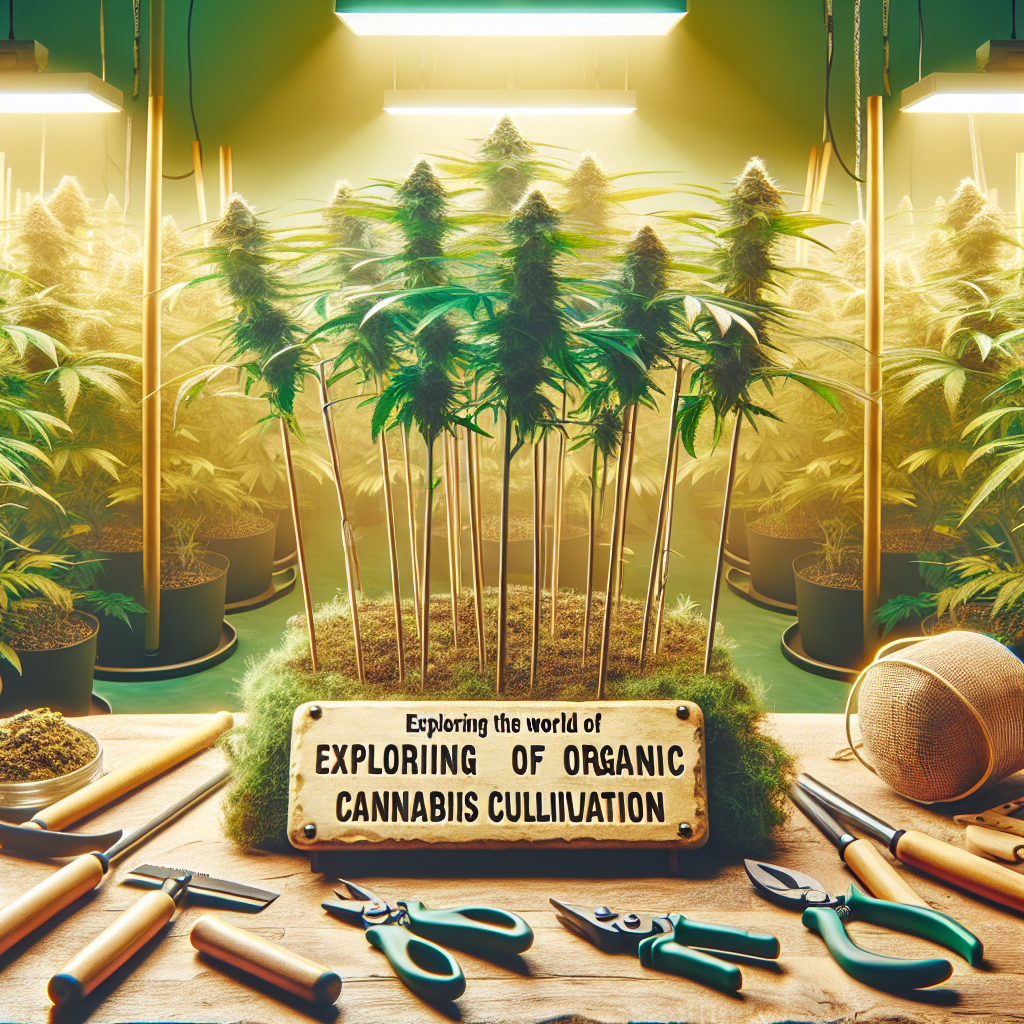
In recent years, the landscape of cannabis cultivation in the United States has undergone a seismic shift. As more states move toward legalization, there is an increasing interest in sustainable and organic farming methods within the cannabis industry. Organic cannabis cultivation not only addresses consumer demand for clean products but also reflects a deeper commitment to environmental stewardship and responsible farming practices. This article explores the burgeoning world of organic cannabis cultivation, examining its benefits, challenges, and current trends shaping the industry.
The Rise of Organic Cannabis
The concept of organic farming is rooted in a holistic approach to agriculture that emphasizes sustainability, natural inputs, and ecological balance. As the stigma surrounding cannabis continues to wane, consumers are becoming more discerning about what they consume, pushing for organic products that are free from synthetic pesticides, fertilizers, and genetically modified organisms (GMOs). This growing demand has prompted many cultivators to adopt organic methods, which not only enhance the quality of the product but also promote public health.
According to a report from Grand View Research, the organic cannabis market is expected to grow substantially over the next few years, reflecting increasing consumer awareness and interest. Various organizations, including the USDA, have set standards for organic farming, although there are still legislative hurdles and ongoing debates about the certification process specifically for cannabis. As of now, cannabis still remains classified as a Schedule I substance at the federal level, making consistent organic certification challenging. Nevertheless, many cultivators are operating under state regulations to achieve organic status, often following practices that meet organic standards even without formal certification.
Techniques of Organic Cultivation
Organic cannabis cultivation employs a variety of techniques designed to promote soil health and biodiversity. One of the foundational practices is the use of healthy soil, which is often enriched with compost, cover crops, and natural fertilizers like fish emulsion or bone meal. This approach not only enhances the nutrient content of the soil but also fosters a thriving microbial ecosystem essential for plant growth.
Integrated Pest Management (IPM) is another cornerstone of organic farming practices. Instead of relying on harmful pesticides, organic growers utilize beneficial insects, traps, and organic sprays to manage pests sustainably. This approach is particularly relevant as the cannabis industry grapples with issues related to pests and diseases that can devastate crops. By fostering a balanced ecosystem, organic cultivators can minimize the impact of pests without compromising the health of their plants.
Furthermore, organic practices often extend to irrigation and water management. Techniques such as drip irrigation not only conserve water but also minimize the risk of disease associated with overwatering. Overall, organic cultivation promotes a harmonious relationship between grower, plant, and environment, paving the way for healthier and more potent cannabis products.
Challenges in Organic Cannabis Cultivation
Despite the numerous benefits, organic cannabis cultivation is not without its challenges. One of the primary hurdles is the higher cost associated with organic inputs and farming practices. Organic fertilizers and pest management solutions can be more expensive than their synthetic counterparts, leading to increased production costs. Furthermore, without a federal organic certification that can be reliably followed across state lines, farmers may face significant barriers in marketing their products as “organic.”
In addition, organic growers may face competition from larger-scale operations that utilize conventional farming methods. These large producers often benefit from economies of scale, which can enable them to lower prices for their products, making it difficult for smaller organic operators to compete. The future of organic cannabis cultivation may hinge on whether consumers are willing to pay a premium for organically grown products, which would help support smaller, sustainable farms.
Moreover, the organic market for cannabis is still developing, and there are limited opportunities for growers to receive financial assistance or grants specifically aimed at organic cultivation. As the industry matures, however, advocacy groups are beginning to push for more resources and support for organic practices. Initiatives that promote organic farming methods and education appear to be gaining traction, as more growers recognize the long-term benefits of sustainability.
The Future of Organic Cannabis
Looking ahead, the future of organic cannabis cultivation appears promising but requires collective effort from farmers, consumers, and policymakers alike. One noteworthy trend is the rise of community-supported agriculture (CSA) programs in the cannabis sector. Similar to traditional CSAs, these initiatives allow consumers to purchase shares directly from local organic farms, fostering closer relationships between growers and consumers. This not only ensures a steady market for organic products but also promotes local economies and sustainability.
Another exciting development is the increasing push for regulatory changes that may simplify the pathway to organic certification for cannabis growers. As more states legalize cannabis and implement their own regulations, there is a growing consensus around the need for standardized organic practices that can apply to cannabis cultivation. The establishment of clear guidelines and certifications could boost consumer confidence and pave the way for greater market opportunities.
Conclusion: A Call for Sustainable Future
As organic cannabis cultivation continues to evolve, it embodies a broader movement toward environmentally conscious practices in agriculture. With the increasing awareness among consumers about the origins and quality of their products, the organic cannabis market has the potential to thrive. The convergence of sustainable farming techniques, regulatory advancements, and consumer demand appears to be cultivating a fertile ground for this niche within the burgeoning cannabis industry. As we move forward, it is vital for all stakeholders—growers, consumers, and policymakers—to join together in fostering a future that prioritizes health, sustainability, and ethical practices. The world of organic cannabis offers not only a product but a vision for a greener tomorrow, prompting us all to reflect on the choices we make today and their impact on our planet.
[ad_2]