

 By
By [ad_1]
Food and Flower Pairings for the Ultimate Experience in the United States
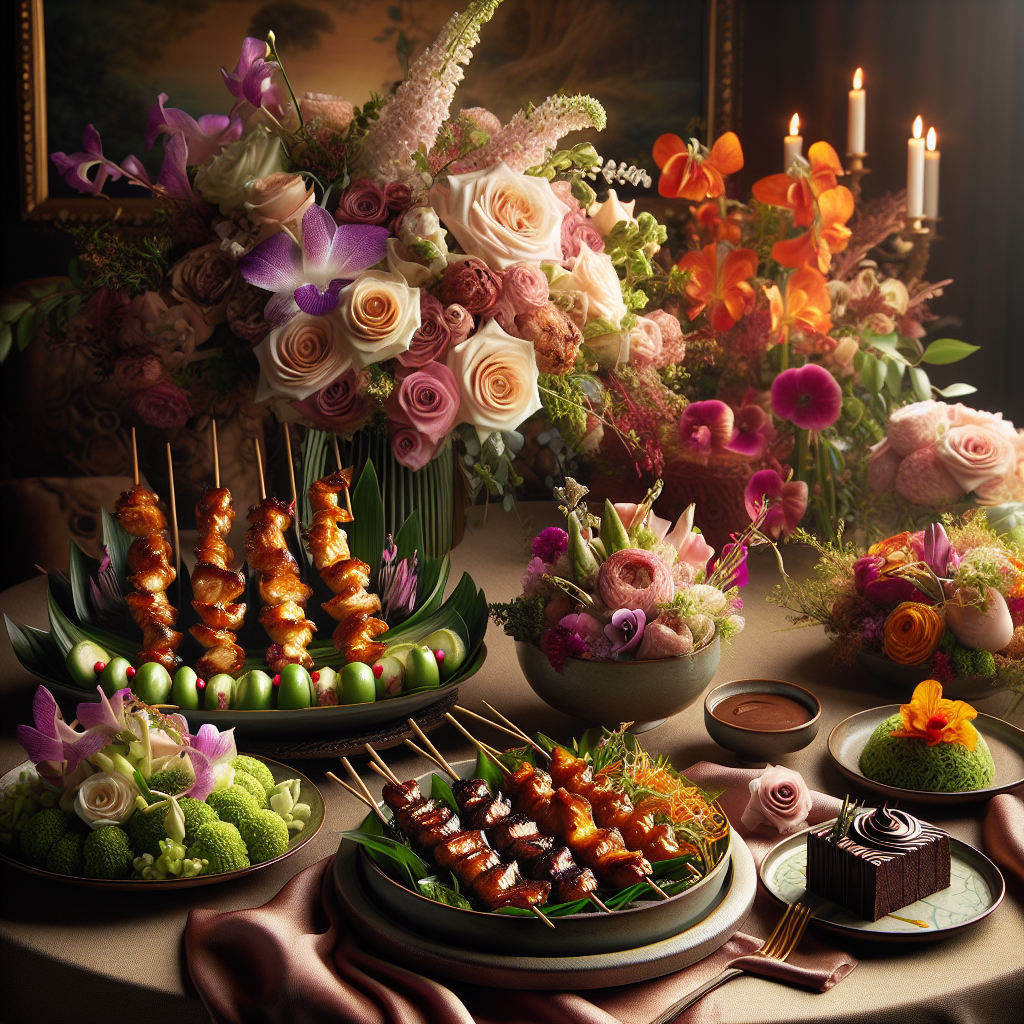
Food pairing has long been an art, bringing together diverse flavors to create delightful culinary experiences. In recent years, a new trend has emerged that takes this concept a step further: pairing food with flowers. This evolving practice not only enhances the aesthetic appeal of a dish but also elevates the flavor profile through aromatic and textural additions. Emerging chefs and floral enthusiasts across the United States are discovering the joys of combining edible blossoms with gourmet cuisine, resulting in unforgettable dining experiences steeped in creativity and innovation.
The Revival of Edible Flowers
Once confined to a niche subset of the culinary arts, edible flowers are now experiencing a renaissance. With the growing focus on sustainability and local sourcing, chefs are increasingly incorporating blooms into their menus. According to the American Institute of Food & Wine, more than 50 types of flowers are considered edible in the U.S., with favorites including nasturtiums, pansies, roses, and lavender. These options not only contribute unique flavors but also offer medicinal benefits, making them a fascinating addition to meals.
In a recent interview, culinary expert and flower forecaster, Erin Benzakein, noted that diners are becoming more adventurous. “People are excited about the unexpected. They want their food to tell a story, and what better way than with seasonal flowers?” This sentiment resonates particularly in metropolitan areas like Los Angeles and New York, where food trends often set the pace for culinary innovations nationwide.
Uniting Aesthetics and Flavor
Today’s dining experiences are as much about visual appeal as taste. The arrangement of a dish has become an essential component in the overall enjoyment of a meal. Flowers can transform mundane plating into a sensory celebration that engages sight, smell, and taste. For example, a vibrant salad topped with bright yellow nasturtiums not only pops visually but provides a peppery flavor that complements the freshness of greens.
Restaurants like Lilia in Brooklyn, New York, have mastered the art of this combination. Chef Missy Robbins creatively incorporates edible flowers into her Italian cuisine—her signature dish features zucchini blossoms filled with ricotta, mingling flavors of sweet and savory with stunning visuals. This fusion illustrates the importance of integrating aesthetics with cuisine to create a holistic dining experience.
Seasonal Sensibilities
As the seasons change, so do the floral options available to chefs. Spring may bring forth delicate cherry blossoms and violets, while summer shines with bold sunflowers and zinnias. Fall offers the earthy tones of marigolds and fall herbs, and winter can highlight the rich hues of ornamental kale and citrus blooms. Each season not only dictates what ingredients are fresh but also influences the mood of the dishes.
Recent culinary events across the country emphasize the significance of local and seasonal produce in food pairing. For instance, the recent “Taste of the National Park” event showcased dishes that couples local produce with flowers representative of the regions’ natural blooms. From wildflower salad dressings to hibiscus-infused beverages, this event highlighted how chefs are embracing regionality in their food and flower pairings.
Crafting Unique Experiences
The trend of pairing food with flowers is not reserved only for fine dining. Many urban farms and home chefs are getting in on the action, creating opportunities for direct engagement with the culinary process. Workshops are popping up everywhere, offering classes on how to grow and cook with edible blooms, fostering a greater appreciation for this fusion.
Fermentation expert and chef Kristyn Leach of Pizzeria Vetri in Philadelphia emphasizes, “Food is about community, and there’s something special about a meal that incorporates what you’ve grown or harvested yourself.” This sentiment captures the essence of why foraging and utilizing local flowers in cooking is becoming so popular—from both a culinary and community standpoint.
Trends Shaping the Future
Reflecting on current trends, 2023 has seen a rise in the incorporation of sustainable practices into culinary pairings. Many chefs are choosing to grow their own flowers or partner with local farms, ensuring that the ingredients are fresh while reducing carbon footprints. Additionally, as consumers become more health-conscious, the focus on edible flowers with health benefits is expected to continue expanding. Flowers like chamomile and lavender are not just pretty; they also add calming properties to dishes and beverages.
Moreover, social media platforms, especially Instagram and TikTok, have become amplifiers for this burgeoning trend. The visually captivating appeal of food and flower pairings lends itself to shareable moments that engage audiences and spark interest. Posts showcasing colorful dishes garnished with blossoms often garner thousands of likes, encouraging establishments to think creatively about their presentations.
Conclusion: The Journey Ahead
As the culinary scene in the United States continues to evolve, the integration of food and flower pairings symbolizes a renaissance in how we think about the dining experience. Chefs and consumers alike are more aware of the story behind a dish, celebrating not just flavors but the beauty and sustainability of what’s on the plate. As we move into the future, the culinary landscape will likely embrace even broader interpretations of this pairing, expanding beyond restaurants and into homes, workshops, and even outdoor gatherings.
The way we engage with food is changing, blending creativity and sustainability to forge connections within our communities. In a fast-consumerism world, perhaps we can pause to appreciate the beauty and joy that flowers can bring to our plates and lives. After all, the essence of great food lies not just in its taste but also in the memories and emotions it evokes, inviting us to savor each bite fully. So, the next time you’re planning a meal, why not consider adding a touch of floral flair, and take your dining experience to extraordinary new heights?
[ad_2]