
 By
By From Farm to Pharmacy: Understanding the Benefits of CBD and Its Uses in the United States
In recent years, cannabidiol (CBD) has surged into the spotlight, often regarded as a miracle solution for a variety of ailments. Extracted from the hemp plant, CBD is one of over 100 cannabinoids found in cannabis. Unlike its more famous cousin, THC (tetrahydrocannabinol), CBD does not induce a psychoactive "high." As a result, it has gained popularity across the United States, providing an intriguing intersection of agribusiness, healthcare, and consumer wellness.
The Journey of CBD: From Farm to Pharmacy
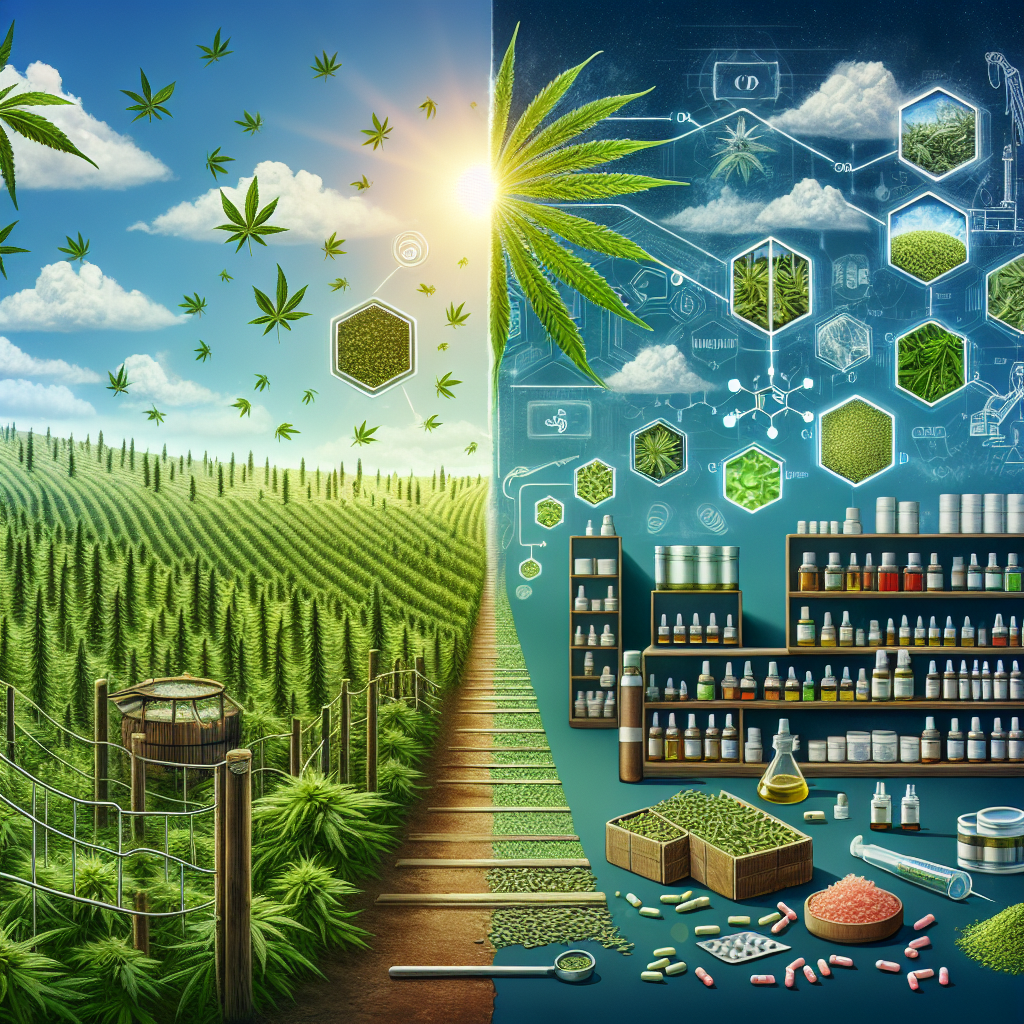
The journey of CBD from farm to pharmacy is a relatively new phenomenon that has emerged since the passing of the 2018 Farm Bill. This legislation legalized the cultivation of industrial hemp, allowing farmers to grow it across the United States. This pivotal moment opened doors for a new agricultural industry and set the stage for a CBD boom.
Farmers have embraced the cultivation of hemp due to its versatility. Not only is CBD extracted from the flowers and leaves, but the plant itself can be used to produce textiles, bioplastics, and even biofuels. The surge in interest has led to increased research funding for hemp-related studies, allowing scientists to investigate its potential benefits thoroughly.
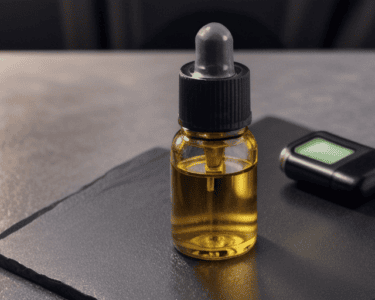
Once harvested, hemp undergoes extraction processes to isolate CBD. The resulting oil can then be refined into various product formulations, including tinctures, gummies, capsules, and topical ointments. This wide array of delivery methods makes it easier for consumers to incorporate CBD into their wellness routines.
Health Benefits of CBD
The accessibility of CBD products has prompted numerous individuals to turn to this cannabinoid for potential health benefits. While research is still ongoing, some of the most commonly cited benefits include:
-
Pain Management: One of the most significant appeals of CBD is its potential as a natural pain reliever. Several studies have indicated that CBD may interact with the body’s endocannabinoid system, which plays a role in pain regulation. It may help alleviate chronic pain conditions, including arthritis and multiple sclerosis.
-
Anxiety and Stress Relief: A growing body of evidence suggests that CBD can reduce anxiety. Clinical trials indicate that CBD may influence serotonin levels in the brain, a key neurotransmitter that regulates mood. Many individuals have reported using CBD to manage anxiety and to cope with daily stressors.
-
Sleep Disorders: The sedative effects of CBD have drawn attention, particularly regarding its ability to improve sleep quality. Preliminary studies have found that CBD may help those struggling with insomnia or other sleep disorders by addressing underlying causes like anxiety or pain.
-
Neuroprotective Properties: Research suggests that CBD might have neuroprotective properties, making it a candidate for treating neurological disorders such as epilepsy and multiple sclerosis. Epidiolex, a CBD-based medication, has already been approved by the FDA for treating certain forms of epilepsy.
- Skin Health: Topical CBD products are also gaining traction as potential solutions for various skin conditions. CBD’s anti-inflammatory properties may help manage conditions like acne and eczema, while its antioxidant qualities could protect the skin from damage.
Regulation and Safety Concerns
Despite the excitement around CBD, it is essential to address the regulatory framework governing its sale and distribution. In the U.S., the Food and Drug Administration (FDA) has been cautious, asserting that more research is needed to determine the long-term effects and safety of CBD.
Currently, the FDA has approved only one CBD product, Epidiolex, for specific medical uses. Many consumer-grade products available in health stores or online lack standardized labeling, which raises concerns about purity and dosage. It’s crucial for consumers to choose products from reputable sources that provide third-party lab testing results for transparency.
The Market Landscape
The CBD market in the U.S. has exploded, with estimates suggesting it could reach $20 billion by 2024. The growth has fostered a diverse industry encompassing a wide range of products—from supplements to cosmetics, beverages, and even pet products. This burgeoning market has led to the emergence of numerous CBD brands, each claiming unique benefits.
However, as consumers navigate this evolving market, they should consider factors such as ingredient sourcing, extraction methods, and product reviews. Education is crucial, as misinformation can lead to disappointment or misguided expectations about what CBD can do.
Conclusion
The journey of CBD from farm to pharmacy encapsulates a broader narrative of natural healing intersecting with modern science and commercial viability. While anecdotal evidence surrounds the efficacy of CBD, ongoing research holds promise for validating these claims and expanding its therapeutic applications.
As consumers continue to seek out safe and effective wellness solutions, the importance of informed choices, thorough research, and regulatory oversight cannot be overstated. Whether used for pain relief, anxiety management, or skincare, CBD’s versatility is paving a path toward a new era of holistic health. As we move further into the future, one can only anticipate what additional health benefits and applications will emerge from this fascinating compound derived from nature.