
 By
By [ad_1]
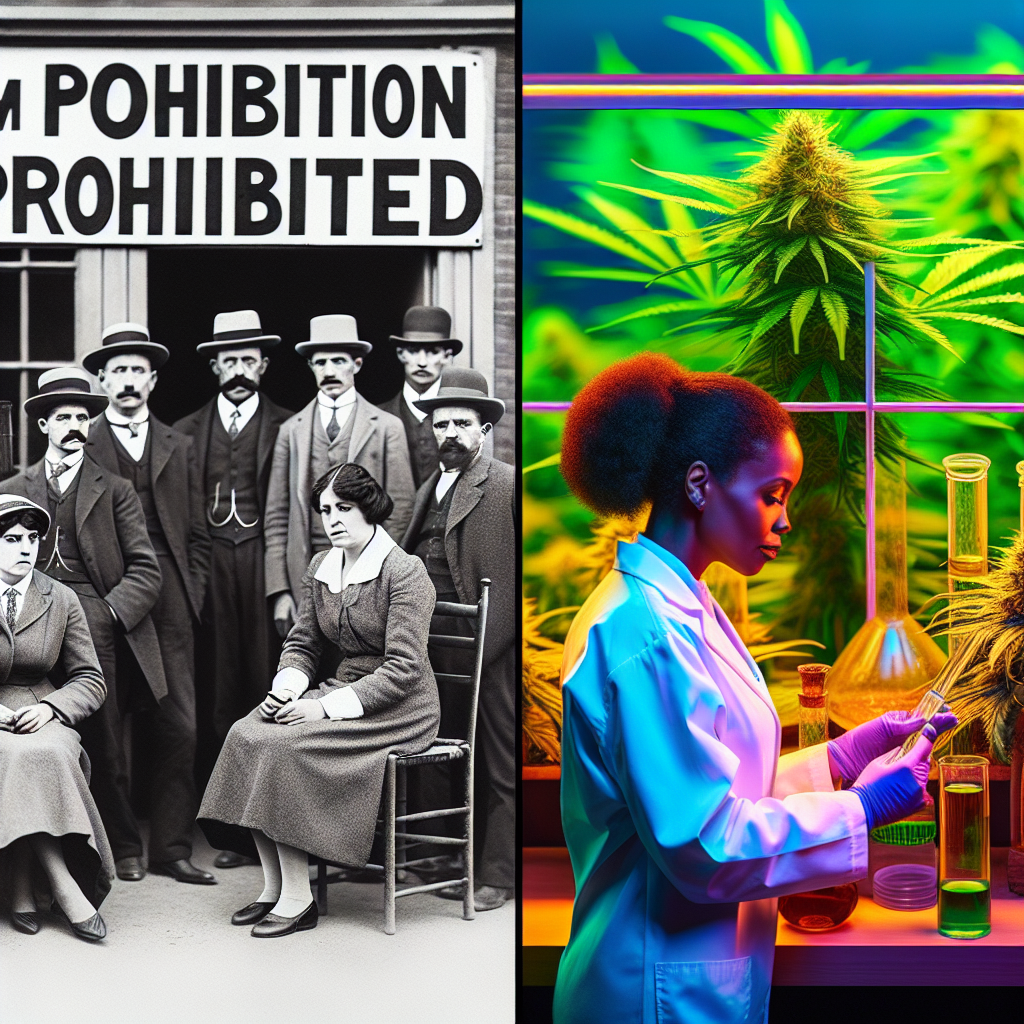
The story of cannabis in the United States is one marked by transformation, complexity, and a remarkable shift in public perception. Once demonized and heavily restricted through prohibition, cannabis is experiencing a renaissance as states across the nation are moving toward legalization and reform. This article explores the journey from stringent regulations to a more progressive, nuanced approach to cannabis, highlighting current events and trends that shape the landscape today.
Historical Context: The Rise of Prohibition
Cannabis was largely accepted in the early 20th century, utilized for various medicinal purposes and even included in some medicinal tonics. However, the tide began to turn with the passage of the Marihuana Tax Act of 1937, which effectively criminalized cannabis. The mood further darkened in the 1950s and 1960s due to the "War on Drugs," targeting not just drug trafficking but also possession. As a result, the negative stigma surrounding cannabis grew, entrenched in societal views and government policies. By the late 20th century, cannabis was classified as a Schedule I drug under the Controlled Substances Act of 1970, signaling its supposed danger without therapeutic benefit.
The Shift: Growing Acceptance
The tide began to shift in the 1990s when California became the first state to legalize medical cannabis in 1996. This initial acceptance sparked a broader movement, leading to a gradual but significant change in public perception. By the end of 2020, more than 35 states had legalized medical cannabis, and several had also legalized it for recreational use. Notably, states such as Colorado and Washington became pioneers in adult-use legalization, changing the paradigm around cannabis consumption and cultivation. With more states embracing reform, cannabis has transformed from a stigmatized substance to a potential economic powerhouse.
Current Landscape: Legalization and Regulation
As of 2023, the landscape of cannabis reform in the United States is complex and varied. States like New York, New Jersey, and Illinois have moved forward with legalization, each implementing its own regulatory framework. The legalization of cannabis has not only led to significant tax revenue streams but has also created job opportunities in agriculture, retail, and ancillary industries. According to a recent report by New Frontier Data, the legal cannabis industry is expected to generate $40 billion in revenue by 2025, illustrating the financial potential that reform brings.
However, despite progress at the state level, the federal landscape remains convoluted. The Biden administration has taken steps toward reform, including pardoning low-level cannabis offenses and signaling a potential shift in federal marijuana policy. Yet, cannabis remains illegal at the federal level, complicating banking, taxation, and interstate commerce for businesses operating within the legal framework. This paradox has led advocates to call for comprehensive federal reform to ensure that the benefits of legalization can be fully realized.
Current Events: Legislative Efforts and Social Justice
In recent months, cannabis reform has also taken center stage in discussions about social justice. Advocates argue that the financial benefits of legalization must be leveraged to address the racial disparities that have plagued the war on drugs. States like California and Illinois have incorporated social equity programs aimed at providing resources and opportunities for individuals from communities disproportionately affected by cannabis criminalization. Current events show that this focus on social justice is not merely an afterthought but a crucial component of the evolving cannabis narrative.
In Congress, efforts to reform federal cannabis policies have gained momentum. The SAFE Banking Act, which seeks to allow cannabis-related businesses access to traditional banking services, has been a focal point of recent legislative sessions. Additionally, there are ongoing discussions around broader reforms, including the introduction of the Cannabis Administration and Opportunity Act, which seeks to decriminalize cannabis at the federal level and promote equity in the industry. These legislative efforts reflect a growing recognition of the societal changes surrounding cannabis and the need for actionable policies to support it.
The Future: Potential Challenges and Opportunities
While the current trajectory suggests a continued shift toward more comprehensive cannabis reform, several challenges remain. As more states legalize cannabis, the potential for a fragmented regulatory environment increases. This can create confusion for consumers and businesses alike, necessitating a unified approach to regulation. Furthermore, issues such as taxation policies and federal-state conflicts will demand careful navigation to avoid undermining the gains achieved thus far.
The issue of public health and safety also looms large in discussions about cannabis reform. Concerns over youth access and the potential for misuse necessitate responsible regulatory practices, along with robust education campaigns to inform consumers about the responsible use of cannabis. Balancing commercial interests with public health remains a key challenge for lawmakers and industry leaders alike.
Conclusion: A Reflective Future
The journey of cannabis reform in the United States has been one of remarkable transformation, moving from prohibition to a more progressive understanding of cannabis as both a medical and recreational substance. As the country grapples with the implications of legalization, the focus on social equity, health, and responsible regulation will shape the future landscape of cannabis.
It is clear that the narrative surrounding cannabis is still being written, with new chapters being added by legislative efforts and societal shifts. For those invested in the future of cannabis in the U.S., the intersection of opportunity and responsibility will be critical in ensuring that progress continues to align with social justice and public wellness. As we move forward, the challenges and successes of cannabis reform will prompt us to reflect on our values and priorities as a society, urging us to consider what we deem acceptable—and what we can achieve together.
[ad_2]