

 By
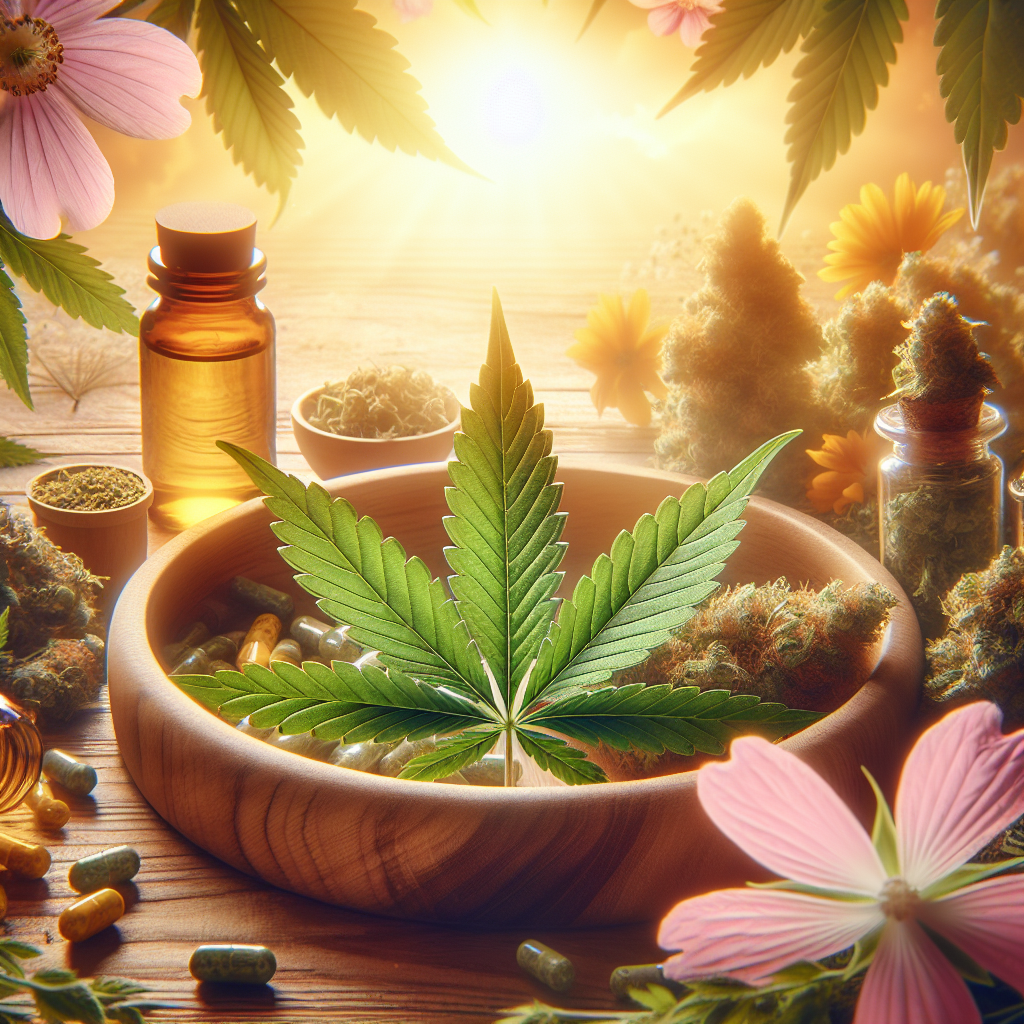
By Unlocking Nature’s Medicine: The Role of Cannabis in Holistic Wellness in the United States
In recent years, the conversation around cannabis has shifted dramatically, evolving from a contentious legal and social issue to a recognized player in the field of holistic wellness. As states across the U.S. continue to embrace legal frameworks surrounding cannabis for both medicinal and recreational use, we find ourselves at an important crossroads. The growing acceptance of cannabis reflects not just a cultural change, but also an understanding of its potential role in holistic health—a paradigm that views wellness as a balance of the physical, mental, and spiritual.
Historically, cannabis has a longstanding relationship with humans, dating back thousands of years to ancient civilizations that harnessed its properties for various therapeutic uses. In modern times, however, the plant faced significant stigmatization, particularly in the 20th century, where it was largely associated with counterculture and criminality. The tide began to turn in the late 1990s when states like California legalized medical cannabis, prompting further research and discussions regarding its therapeutic benefits. Today, nearly 40 states have legalized cannabis in some form, a testament to the changing societal attitudes and increasing acknowledgment of its medicinal properties.
The Science of Cannabis: How It Works
At the heart of cannabis’s effectiveness as a wellness tool lies its complex biochemical interactions within the human body. The plant contains over 100 different cannabinoids, with THC (tetrahydrocannabinol) and CBD (cannabidiol) being the most well-known. THC is well-regarded for its psychoactive properties, while CBD has garnered attention for its potential anti-inflammatory, analgesic, and anti-anxiety benefits. Recent studies, including those published in journals like Nature Reviews Drug Discovery, illuminate how cannabinoids interact with the body’s endocannabinoid system—a network that plays a crucial role in regulating a range of physiological processes, including pain perception, mood, and immune response.
Moreover, cannabis is increasingly being recognized for its potential to serve as a natural alternative to traditional pharmaceuticals, particularly in the realms of chronic pain, anxiety disorders, and even conditions like PTSD. For instance, a 2021 study from the Journal of Psychoactive Drugs found that patients experiencing chronic pain reported significant relief after using cannabis, often reducing their reliance on opioid medications. This shift not only underscores the therapeutic potential of cannabis but also highlights its role in combating the opioid crisis—a complex and devastating public health issue.
Current Trends in Cannabis and Holistic Wellness
As the medicinal landscape continues to evolve, various trends are shaping how cannabis is perceived and utilized within holistic wellness frameworks. One of the most notable trends is the rise of CBD-infused products in mainstream wellness sectors, from skincare to health supplements. According to a 2022 report from the Brightfield Group, the U.S. CBD market is expected to reach $16 billion by 2025, driven in part by increased consumer awareness and demand for natural wellness alternatives.
Additionally, wellness organizations are increasingly incorporating cannabis education into their offerings. For example, yoga studios and wellness retreats are introducing cannabis-infused classes, encouraging participants to explore the plant’s potential for enhancing relaxation, focus, and mindfulness. Leading figures in the holistic wellness community, including health coaches and therapists, are starting to recognize cannabis as a valid tool in their practice, further legitimizing its use alongside traditional approaches.
The Role of Legislation and Social Equity
The role of legislation cannot be understated in this evolving landscape. While the majority of states have moved toward legalization, federal regulations remain a significant obstacle to research and educational initiatives. The Controlled Substances Act continues to classify cannabis as a Schedule I substance, impeding scientific inquiry into its full potential. However, recent legislative efforts, including the introduction of the Cannabis Administration and Opportunity Act, aim to address these limitations and promote equitable access to cannabis-based treatments.
Equity is another pressing concern within the cannabis industry. As legalization progresses, it is vital to ensure that marginalized communities—who have historically borne the brunt of cannabis prohibition—are included in the new economic opportunities that arise. Various states are adopting social equity programs designed to support minority-owned businesses in the cannabis sector. These initiatives not only seek to rectify past injustices but also aim to promote a more inclusive and diverse landscape of cannabis wellness.
Conclusion: A Future with Cannabis
As we stand at the forefront of a new era in holistic health, cannabis offers an intriguing glimpse into a future where nature’s medicine can be both effective and accessible. The scientific community is making strides in understanding its multifaceted benefits, while public perception continues to evolve positively. However, the path forward is not without its challenges—legal, social, and ethical considerations will need to be navigated thoughtfully.
In conclusion, the integration of cannabis into holistic wellness represents both an opportunity for healing and a conversation about the nature of health itself. By embracing this ancient plant’s medicinal properties, we can pave the way for a more holistic approach to health that respects the interconnectedness of our physical, emotional, and spiritual well-being. The journey has just begun, and as cannabis continues to unlock its secrets, society has the potential to reshape our understanding of wellness for generations to come. What remains crucial is that we continue to engage in informed discussions, advocate for equitable access, and champion research that furthers our understanding of this powerful plant.