
 By
By [ad_1]
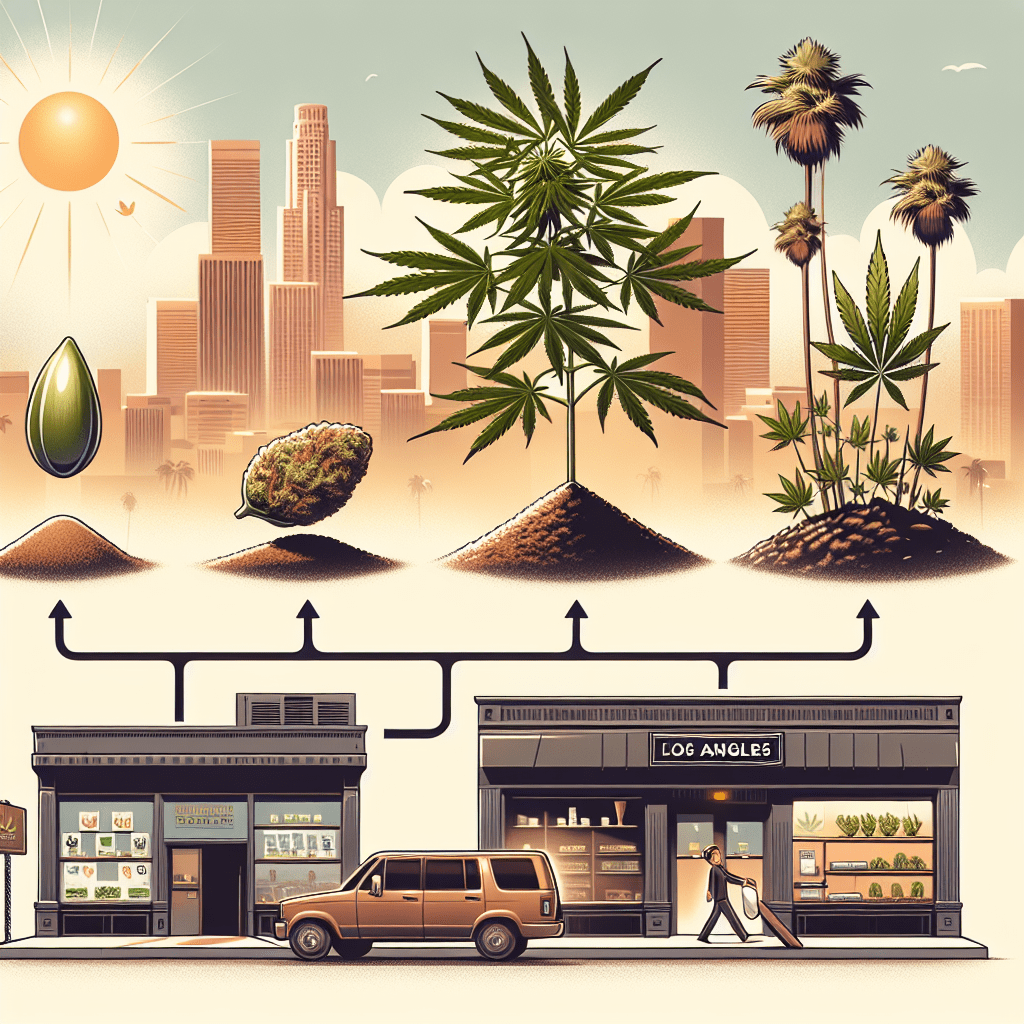
The legalization of cannabis in California has ushered in a new era among various sectors, particularly in Los Angeles, which is at the heart of the state’s cannabis industry. The complex supply chain from seed to sale showcases a detailed landscape, emphasizing cultivation, processing, distribution, and retail operations. Each stage is interlinked, creating a vibrant economic ecosystem.
Cultivation: The Seed Stage
The cannabis supply chain begins with cultivation, which occurs in greenhouses or indoor facilities. Licensed cultivators in Los Angeles must adhere to strict regulations set by both state and local governments, including limits on pesticide use and the requirement for testing. The cultivation process involves several key steps:
- Seed Selection: Choosing the right strains based on market demand and legal regulations.
- Germination: Seeds are germinated under controlled conditions to ensure optimal growth.
- Vegetative Growth: The plants enter a stage of rapid growth requiring specific light cycles, nutrition, and care.
- Flowering: Light cycles change to induce flowering, which is the stage that produces the buds harvested for sale.
In L.A., cultivators have reported a growing interest in organic and sustainable practices, further enhancing the quality of the final product.
Processing: Harvest to Production
Once harvested, the cannabis must undergo various processing steps before it can reach consumers. This phase includes drying, trimming, and testing for potency and contaminants:
- Drying: Buds are hung in drying rooms to remove moisture, which is crucial for preserving the cannabis’s potency and flavors.
- Trimming: After drying, leaves are trimmed away to enhance aesthetics and improve marketability.
- Lab Testing: Mandatory testing by state-licensed labs ensures that the product meets safety standards and provides accurate THC/CBD content reporting to consumers.
In addition to flower products, many cultivators in L.A. also process cannabis into oils, edibles, and other concentrates, diversifying their offerings.
Distribution: Getting Cannabis to Retail
The distribution phase is critical in the supply chain. Licensed distributors take on the vital responsibility of transporting cannabis from the processors to various retail stores. This stage involves:
- Compliance: Distributors must follow strict regulatory guidelines concerning transport, storage, and inventory management.
- Inventory Management: Efficient tracking systems are employed to ensure that inventory levels are maintained and that products are accounted for throughout the supply chain.
- Transportation: Logistics involve secure transport methods that prioritize product integrity and safety.
In Los Angeles, many distributors are focused on building relationships with local retailers to ensure efficient product availability.
Retail: The Final Destination
The retail phase is where consumers interact with the product. Los Angeles offers a variety of options, from storefront dispensaries to delivery services. Retailers must navigate legal regulations, including licensing requirements and product labeling guidelines:
- Customer Education: Staff at dispensaries offer guidance to consumers about different strains and products, helping them make informed choices.
- Product Variety: Retailers stock a wide range of cannabis products, from flower to concentrates to edibles, catering to diverse consumer preferences.
- Safe Consumption: Education on responsible consumption is crucial, particularly regarding dosage and effects.
With the ongoing expansion of cannabis acceptance, retail experiences continue to evolve, adding value to the consumer journey.
Conclusion
The cannabis supply chain in Los Angeles represents a dynamic interplay of production, processing, distribution, and retail operations. Each stage plays a vital role in ensuring quality products reach consumers safely and legally. As this industry continues to grow and innovate, stakeholders, from cultivators to retailers, must remain adaptable and responsive to changing regulations and consumer preferences. Understanding this intricate supply chain provides insight into the broader economic and social implications of cannabis legalization in California.
FAQs
1. What are the regulations for cannabis cultivation in L.A.?
Cultivators must obtain a state license and comply with local regulations regarding pesticide use, testing, and tracking of inventory.
2. How is cannabis tested in California?
Cannabis products are tested in state-licensed laboratories for potency, contaminants, and overall quality before reaching the market.
3. What types of products are available in L.A. dispensaries?
Dispensaries offer a variety of products, including cannabis flower, oils, edibles, tinctures, and topicals.
4. Can cannabis be delivered in Los Angeles?
Yes, many dispensaries offer delivery services, operating under strict regulatory guidelines for transporting cannabis products.
[ad_2]