 By
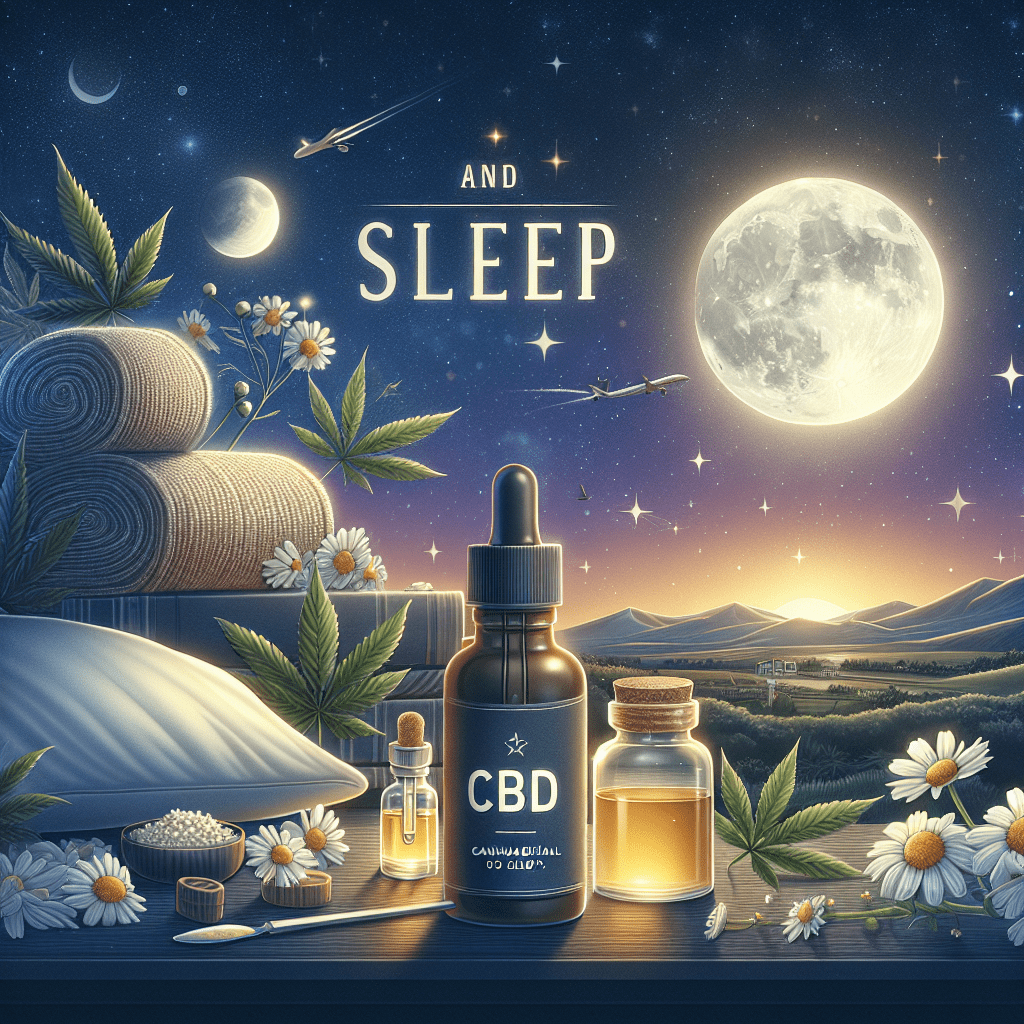
By CBD and Sleep: How Cannabidiol Can Help You Achieve Restful Nights in the United States
In recent years, the conversation around sleep has evolved significantly, moving away from merely counting sheep and into the realm of holistic health solutions. One of the most promising natural remedies garnering attention is Cannabidiol (CBD), a non-psychoactive compound derived from cannabis plants. While research is still in its early stages, emerging studies and anecdotal evidence suggest that CBD may hold potential for enhancing sleep quality and alleviating sleep disturbances. Here’s a closer look at how CBD can aid in achieving restful nights.
Understanding Sleep Disorders
Sleep disorders affect millions of Americans, with the National Institutes of Health estimating that approximately 70 million adults suffer from some form of sleep-related issue. Conditions like insomnia, sleep apnea, and restless leg syndrome can lead to a range of long-term health problems, including depression, obesity, anxiety, and reduced cognitive function.
Typically, conventional sleep aids like benzodiazepines or over-the-counter medications can provide temporary relief but often come with undesirable side effects, including dependency and grogginess. As the interest in natural alternatives grows, many people are turning to CBD as a way to improve sleep quality without the harsh consequences of traditional sleep medications.
What is CBD?
CBD is one of over 100 cannabinoids found in cannabis plants. Unlike THC (tetrahydrocannabinol), the compound known for causing a "high," CBD does not produce psychoactive effects. Rather, it is celebrated for its potential therapeutic properties, including anti-anxiety, anti-inflammatory, and pain-relieving effects. In the United States, CBD derived from hemp is legal under the 2018 Farm Bill, which has contributed to its growing popularity in health and wellness applications.
How CBD Works to Promote Sleep
The human body has an endocannabinoid system (ECS), which plays a crucial role in regulating a variety of functions, including mood, pain perception, immune response, and sleep. When consumed, CBD interacts with the ECS, potentially influencing the body’s sleep-wake cycles.
-
Anxiety Reduction: Many people experience sleep disturbances due to anxiety and stress. CBD has been noted for its anxiolytic properties, which may help calm the mind before bedtime. A study published in the Journal of Clinical Psychology found that CBD administration reduced anxiety in participants undergoing public speaking tasks, suggesting its potential beneficial impact on anxiety-related sleep issues.
-
Pain Relief: Chronic pain can be a significant barrier to achieving restful sleep. CBD’s anti-inflammatory properties may help alleviate chronic pain syndromes, such as arthritis or fibromyalgia, making it easier for individuals to fall and stay asleep.
-
Melatonin Regulation: Some research suggests that CBD may aid in regulating the sleep hormone melatonin, which is critical for maintaining circadian rhythms. By influencing melatonin levels, CBD may help signal to the body when it is time to sleep.
- Improved Sleep Architecture: Research in animals suggests that CBD may enhance sleep architecture, which is the structure and pattern of sleep cycles throughout the night. This could lead to deeper and more restorative sleep stages, including REM sleep, crucial for cognitive functions and emotional regulation.
Current Research and Findings
Although studies on CBD and sleep are still in preliminary stages, several recent investigations have shown promising results. A 2019 study published in the journal Medicine reported that of 72 adults with sleep and anxiety issues, 66.7% experienced improved sleep scores within the first month of using CBD.
Another study in 2020 indicated that CBD significantly improved the sleep quality of participants suffering from insomnia due to psychiatric disorders. While these studies provide optimistic data, more extensive clinical trials are necessary to establish definitive conclusions regarding the long-term effects and optimal dosing of CBD for sleep.
Using CBD for Sleep: Practical Considerations
For those interested in exploring CBD as a sleep aid, here are some useful tips:
-
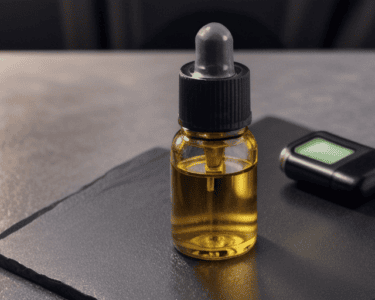
Product Selection: There is a vast array of CBD products available, including oils, capsules, edibles, and topical applications. Oils and tinctures tend to offer faster absorption and can be adjusted for dosage more effectively than edibles.
-
Dosing: Start with a low dose and gradually increase until you find the right amount that works for you. Factors like body weight, metabolism, and the severity of sleep issues can affect how your body reacts to CBD.
-
Consultation with Healthcare Providers: Before integrating CBD into a sleep regimen, it is advisable to consult with a healthcare professional, especially if you are taking other medications or have underlying health conditions.
- Timing: Taking CBD about 30 minutes to an hour before bedtime may provide the best results, allowing it to interact with your body and prepare you for sleep.
Conclusion
Though still emerging, the potential of CBD as a natural remedy for sleep disturbances presents a beacon of hope for many individuals struggling with sleeplessness and its associated consequences. While much remains to be understood about CBD’s mechanisms and effects on sleep cycles, individuals seeking more restful nights may find CBD to be a beneficial tool in their wellness arsenal. As research continues to unfold, many will be watching closely to see how this compound could reshape our understanding of sleep health in the future.