

 By
By [ad_1]
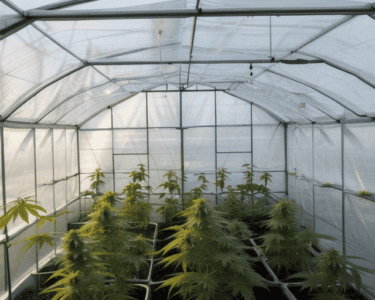
Growing cannabis can be a rewarding endeavor whether for personal use, medicinal purposes, or simply as a hobby. With the rise of legalization in many areas, more individuals are becoming curious about cultivating their green-thumb skills. This beginner’s guide will take you through the lifecycle of cannabis, from seed to spliff, ensuring you have the information needed to grow healthy plants.
Understanding Cannabis Types
Before you get started, it’s essential to know the two primary species of cannabis:
- Cannabis sativa – Known for its uplifting effects, it’s often ideal for daytime use.
- Cannabis indica – This type typically provides a relaxing effect and is favored for nighttime use or relaxation.
A third type, hybrid, combines traits from both sativa and indica plants, providing unique effects depending on the strain.
Selecting Seeds
Choosing the right seeds is the first step in your successful cannabis cultivation journey. You can opt for:
- Regular seeds: These can produce male and female plants; however, only female plants produce buds.
- Feminized seeds: These are genetically modified to produce only female plants, which means you won’t have to worry about unwanted males.
- Autoflowering seeds: These start flowering regardless of light conditions, making them easier for beginners.
It’s advisable to purchase seeds from reputable breeders or dispensaries to ensure the quality and genetics of the plants.
Germination Process
Germination is the process of sprouting your seeds. Here’s a simple method:
- Soak the Seeds: Place your seeds in a glass of water for 24 hours. This helps to hydrate them.
- Paper Towel Method: After soaking, place the seeds on a damp paper towel in a dark, warm spot. Cover it with another damp towel.
- Wait for Sprouting: Ideally, within 48-72 hours, you should see tiny roots emerging.
Once the seeds have sprouted, they’re ready to be planted.
Planting Your Seeds
Choose a suitable planting medium, such as soil or hydroponics. When planting in soil:
- Fill pots with soil: Choose a pot that allows for good drainage.
- Make a small hole: About half an inch deep.
- Place the seed: Gently cover it with soil.
- Water lightly: Avoid over-watering, as it can lead to root rot.
Light Requirements
Cannabis plants need a lot of light, especially during their vegetative and flowering stages. Here’s the general guideline:
- Seedling Stage: 18-24 hours of light per day.
- Vegetative Stage: 18-24 hours of light per day.
- Flowering Stage: 12 hours of light and 12 hours of darkness—this triggers the flowering response.
Fluorescent lights or LED grow lights are ideal for beginners as they are energy-efficient and produce less heat.
Nutrients and Watering
Proper nutrition is crucial for healthy growth:
- Vegetative Stage: Use a nutrient mix high in nitrogen.
- Flowering Stage: Switch to a nutrient mix higher in phosphorus and potassium.
Always follow the manufacturer’s instructions regarding dosing. When it comes to watering:
- Water when the top inch of soil feels dry.
- Ensure good drainage to prevent over-saturation.
Pruning and Training
To maximize yield, consider training your plants through techniques like topping, low-stress training (LST), or defoliation. Topping involves snipping off the top growth, which encourages lateral branching. LST bends the plant branches to create a more even canopy, allowing for better light distribution.
Harvesting Your Cannabis
The best time to harvest depends on the trichomes—a resin produced by the plant. Use a magnifying glass to inspect them:
- Cloudy or milky: Peak potency.
- Amber: Indicates higher levels of THC degradation, resulting in a more sedative effect.
Once harvested, hang branches upside down in a cool, dark space with good air circulation to dry.
Curing Your Cannabis
After the initial drying period (around 7-14 days), curing is essential for enhancing flavor and potency:
- Place buds in glass jars, filling them about 70% full.
- Open the jars daily to allow moisture to escape and air to circulate for about 15-30 minutes.
Continue this process for several weeks for optimal results.
Consumption: From Flower to Spliff
Once your curing process is complete, you’re ready to enjoy your hard work! Grind the buds, roll them with rolling papers, and enjoy your homemade spliff. Remember, always consume responsibly.
FAQs
1. How long does it take to grow cannabis?
Typically, cannabis plants take 3-5 months from seed to harvest. Autoflowering strains tend to take around 2-3 months.
2. What is the best soil for growing cannabis?
A good soil mix should be well-draining and rich in organic matter. Look for soil specifically formulated for cannabis if possible.
3. Can I grow cannabis indoors?
Yes, cannabis can be grown indoors with controlled lighting, temperature, and humidity. Ensure you have adequate ventilation.
4. Do I need special licenses to grow cannabis?
This depends on your local laws. Always check the regulations in your area regarding cannabis cultivation.
5. What pests should I be aware of?
Common pests include spider mites, aphids, and whiteflies. Regularly inspect your plants and use organic pest control methods to protect them.
By following this guide, you can enjoy the journey from seed to spliff and take pride in your cannabis cultivation. Happy growing!
[ad_2]