
 By
By [ad_1]
Cannabis cultivation has gained a significant following among enthusiasts and new hobbyists alike. While it may seem daunting, the journey from seed to fruition is an exciting and rewarding experience. In this guide, we will delve into the essentials of cannabis cultivation and usage, offering tips and insights for beginners eager to embark on this green adventure.
Understanding Cannabis
Cannabis is a versatile plant that is primarily cultivated for medicinal or recreational use. The two most recognized species are Cannabis sativa and Cannabis indica, each offering distinct effects and growth patterns. Sativa strains tend to provide uplifting effects, making them ideal for social situations, while indica strains are known for their relaxing properties, great for alleviating stress or aiding sleep.
Getting Started: Choosing Your Seeds
The first step in cannabis cultivation is selecting the right seeds. Depending on your specific needs and preferences, you can choose from regular, feminized, or auto-flowering seeds:
- Regular seeds: These seeds can produce both male and female plants, which is vital if you intend to breed.
- Feminized seeds: As the name suggests, these seeds are bred to produce only female plants, which are desirable for their higher cannabinoid production.
- Auto-flowering seeds: These seeds automatically transition from the vegetative stage to the flowering stage based on age rather than light cycles, making them suitable for beginners.
Setting Up Your Grow Space
Creating an ideal environment for your cannabis plants is crucial for a successful grow. Whether you choose to grow indoors or outdoors, consider the following:
- Indoor Grow: If you’re growing indoors, you’ll need grow lights, ventilation, and temperature control. LED grow lights are energy-efficient and emit the right spectrum of light for plant growth.
- Outdoor Grow: When growing outdoors, select a location with ample sunlight, good drainage, and protection from wind. Ensure you follow local laws and regulations regarding outdoor cannabis cultivation.
Germination and Seedling Stage
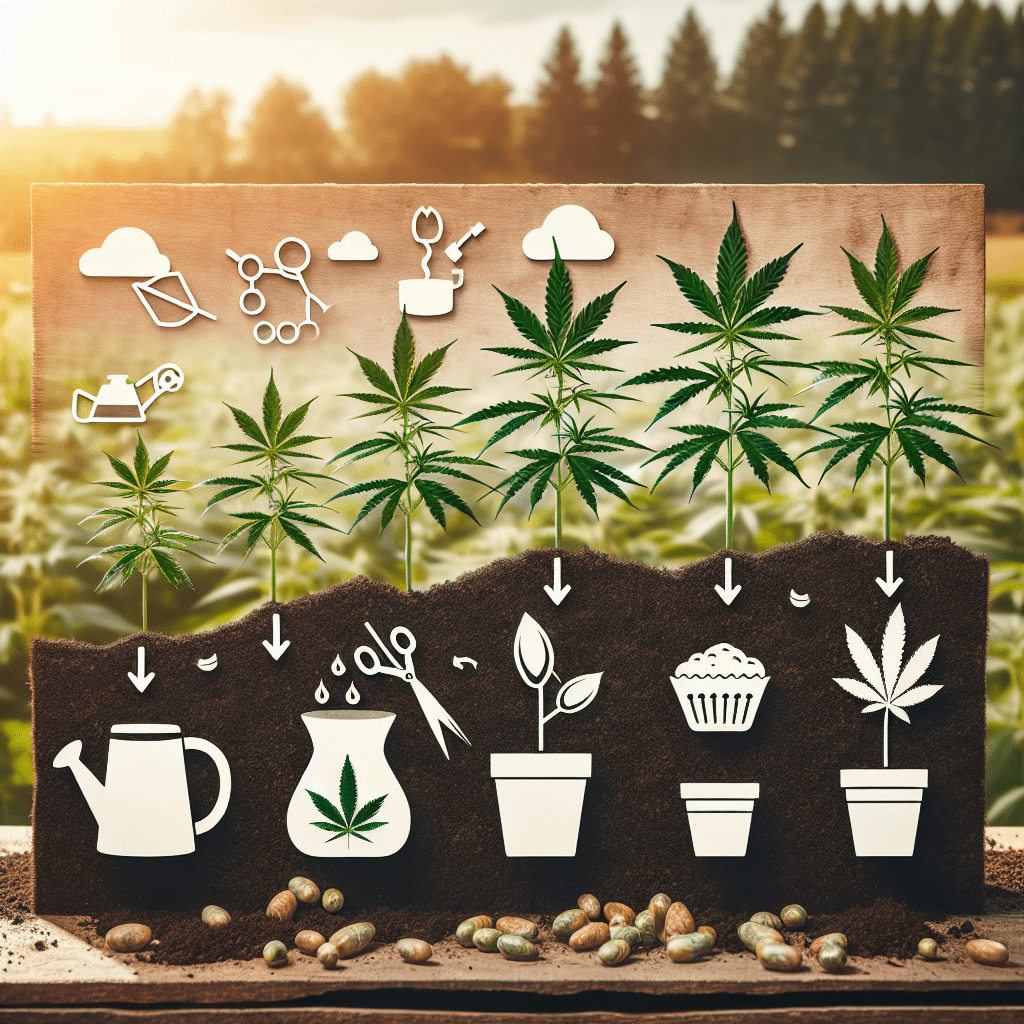
After you’ve set up your grow space, it’s time to germinate your seeds. There are various methods for germination, but a simple paper towel method is popular:
- Moisten a paper towel and place the seeds on one half.
- Fold the paper towel over the seeds and place it in a warm, dark location.
- Check regularly to ensure it’s moist but not soaked; in a few days, you should see the seeds sprout.
Once the seeds have germinated, transfer them to pots filled with a quality potting mix and provide them with light, warmth, and moisture. During this seedling stage, ensure they get at least 18 hours of light each day.
The Vegetative Phase
As your plants enter the vegetative phase, they will begin to grow rapidly. During this stage, your primary focus is on their growth and development. Here are some tips for this phase:
- Provide nutrients: Use a nutrient solution rich in nitrogen, which is essential for leaf development.
- Water properly: Ensure you water your plants when the top inch of soil feels dry. Overwatering can lead to root rot.
- Consider topping: Topping involves cutting the top of the main stem to encourage bushier growth, which can lead to higher yields.
The Flowering Phase
After about 4-6 weeks of vegetative growth, it’s time to induce the flowering phase. If growing indoors, adjust your light cycle to 12 hours of light and 12 hours of darkness. Ensure to monitor your plants closely:
- Switch to a bloom nutrient: These types of nutrients are higher in phosphorus and potassium to support bud development.
- Look for signs of sex: Male plants produce pollen sacs, while female plants develop buds. Remove male plants to prevent pollination and focus on the females for a bountiful harvest.
Harvesting and Curing
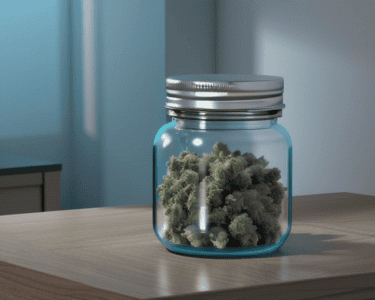
Timing your harvest is critical for maximizing potency. Harvest your cannabis when the trichomes (tiny resin glands) are milky white with some amber. After harvesting, hang the branches upside down in a cool, dark place to dry. Once dried, it’s essential to cure your buds. Place the dried buds in airtight jars, opening them daily to allow moisture to escape for at least two weeks. This enhances flavor and potency.
Using Cannabis: Consumption Methods
With your hard-earned harvest ready, it’s time to explore various consumption methods. Common ways to consume cannabis include:
- Smoking: Roll your buds into joints or use a pipe or bong.
- Vaping: Offers a more discreet and healthier alternative to smoking.
- Edibles: Create tasty infused concoctions, but remember to dose carefully, as edibles can have delayed effects.
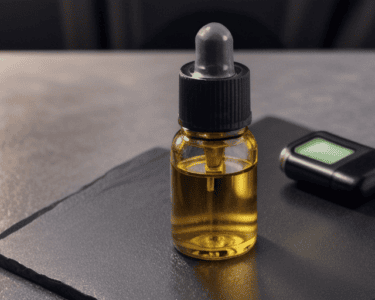
- Tinctures: Alcohol or glycerin-based extracts allow for convenient sublingual consumption.
Conclusion
Cultivating cannabis can be a gratifying project filled with creativity and discovery. Take your time as you learn the nuances of growth and usage, and remember to cherish the process. With patience and care, you’ll transition from seed to a rewarding experience, making the journey as delightful as the destination.
[ad_2]