
 By
By [ad_1]
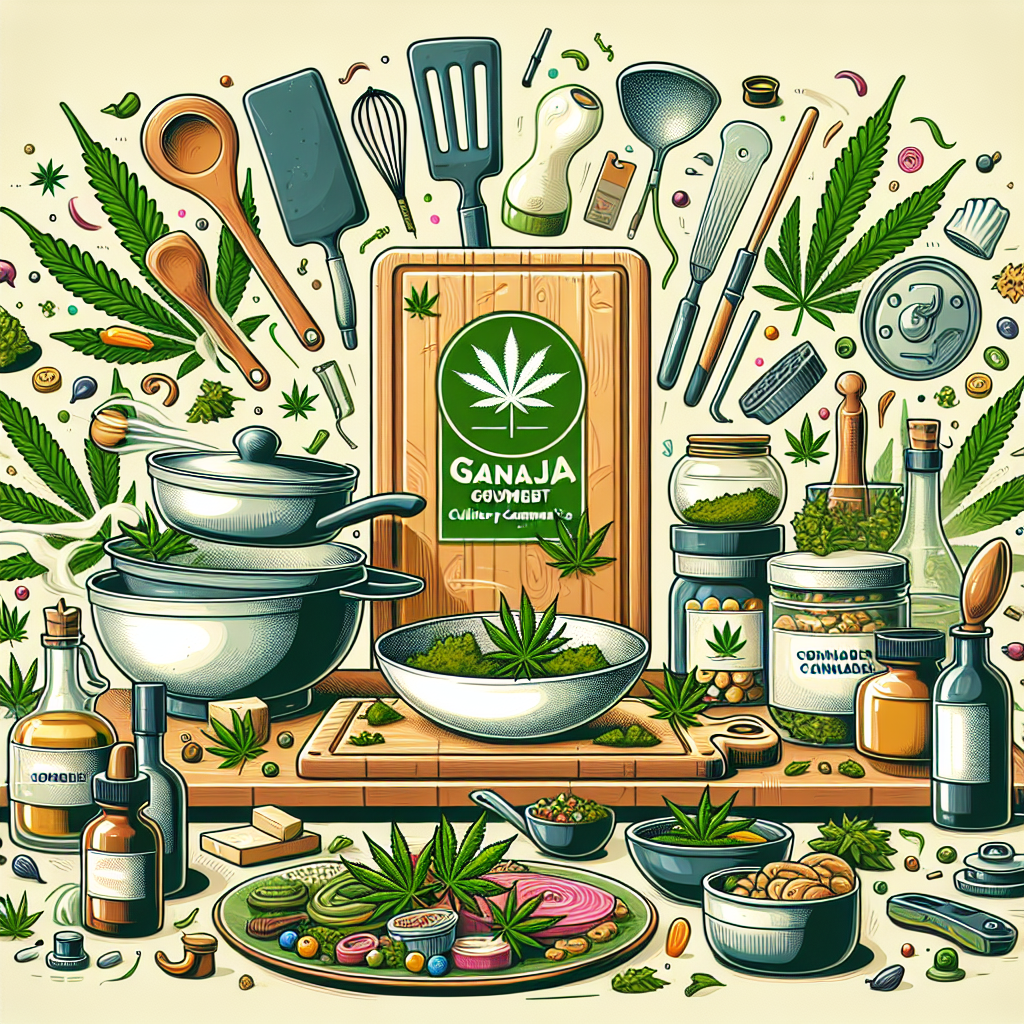
The cannabis culinary revolution has taken the world by storm, transforming perceptions of the marijuana plant from a merely recreational substance to a sophisticated culinary ingredient. The explosion of interest in cannabis-infused foods, commonly referred to as edibles, has ushered in a new era of “ganja gourmet,” where chefs and home cooks alike are crafting intricate recipes that tantalize the taste buds while harnessing the therapeutic properties of cannabis.
A Historical Perspective on Edibles
The use of cannabis as both a medicinal and culinary herb can be traced back thousands of years. Ancient civilizations, including the Chinese and Indians, utilized the plant for its purported health benefits. In the early 20th century, cannabis was often found in tinctures and tonics. However, the focus on recreational use during the mid-1900s overshadowed its culinary potential.
It wasn’t until the late 20th century, during the counterculture movement, that cannabis-infused edibles gained prominence in the United States. The infamous “pot brownie” became a symbol of the era, paving the way for an explosion of interest in alternative consumption methods beyond smoking. Today, cannabis edibles have evolved far beyond simple baked goods, entering the realm of high-end cuisine and gourmet experiences.
The Legalization Boom
The recent wave of legalization across numerous states in the U.S. and other countries has further fueled the interest in culinary cannabis. As restrictions on medicinal and recreational use have lifted, chefs are seizing the opportunity to craft innovative dishes that showcase the unique flavors and effects of various cannabis strains. This newfound legality has opened the door for experimentation and creativity in the kitchen.
Not only has this created a growing market for edibles, but it has also moved cannabis from the shadows into the spotlight as an acceptable, even sought-after ingredient. Whether it’s infused oils, butters, or directly incorporating cannabutter into a recipe, chefs are whipping up everything from gourmet meals to intricate desserts.
The Art of Infusion
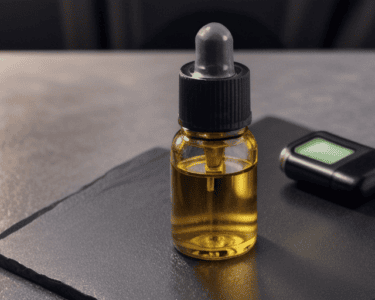
At the heart of culinary cannabis is the process of infusion, which allows for the conversion of raw cannabis into a usable cooking ingredient. The most common methods involve infusing fats, such as butter or oil, with cannabis to extract the active compounds like THC and CBD. This process not only maximizes potency but also allows for nuanced flavor profiles, making it a versatile ingredient in the kitchen.
Chefs then apply their culinary skills to create elevated dishes, experimenting with textures, flavors, and presentations. Infused oils can be drizzled atop pizzas, while cannabis-infused sauces can complement a variety of meat or vegetable dishes, showcasing the plant’s ability to enhance flavors rather than overpower them.
Health Conscious Edibles
One significant trend in the cannabis culinary scene is the shift towards health-conscious edibles. Consumers are increasingly looking for options that cater to dietary restrictions, with gluten-free, vegan, and organic cannabis-infused products gaining popularity. Artisans and food entrepreneurs are responding by creating gourmet edibles that not only delight the palate but also adhere to these dietary preferences.
Furthermore, the rise in wellness culture has dovetailed with the increasing acceptance of cannabis as a therapeutic agent. Many are turning to edibles as a way to alleviate anxiety, pain, and insomnia without the effects associated with smoking. As a result, many companies are focusing on precise dosages of THC and CBD, allowing consumers to enjoy controlled experiences tailored to their needs.
The Role of Education and Regulation
Despite the burgeoning popularity of cannabis edibles, education remains crucial for consumers and culinary professionals alike. Understanding dosages, interactions, and methods of preparation is essential to ensure safe and enjoyable experiences. Many chefs are now offering classes and workshops, sharing their expertise on creating and consuming edibles responsibly.
Moreover, as the industry continues to expand, regulation is becoming increasingly important. Ensuring that products are accurately labeled, dosed, and produced sustainably safeguards consumers and maintains the integrity of the culinary cannabis movement. Collaborative efforts between culinary professionals and regulators will help shape a safe and innovative future for this burgeoning industry.
The Future of Ganja Gourmet
As we look to the future, the potential for cannabis in the culinary world seems limitless. With advancements in cultivation, extraction, and culinary techniques, we can expect to see an explosion of new edible products and dining experiences. Fine dining establishments are already beginning to incorporate cannabis-infused menus, and there are whispers of cannabis food festivals emerging in legal markets.
In conclusion, ganja gourmet is not just a trend; it’s a transformation in how society views cannabis. As culinary exploration and consumer acceptance continue to expand, the synergy between gastronomy and cannabis is set to redefine the dining experience, one edible at a time. Embracing this evolution may open up new, exciting possibilities for chefs, food lovers, and cannabis enthusiasts around the globe.
[ad_2]