 By
By [ad_1]
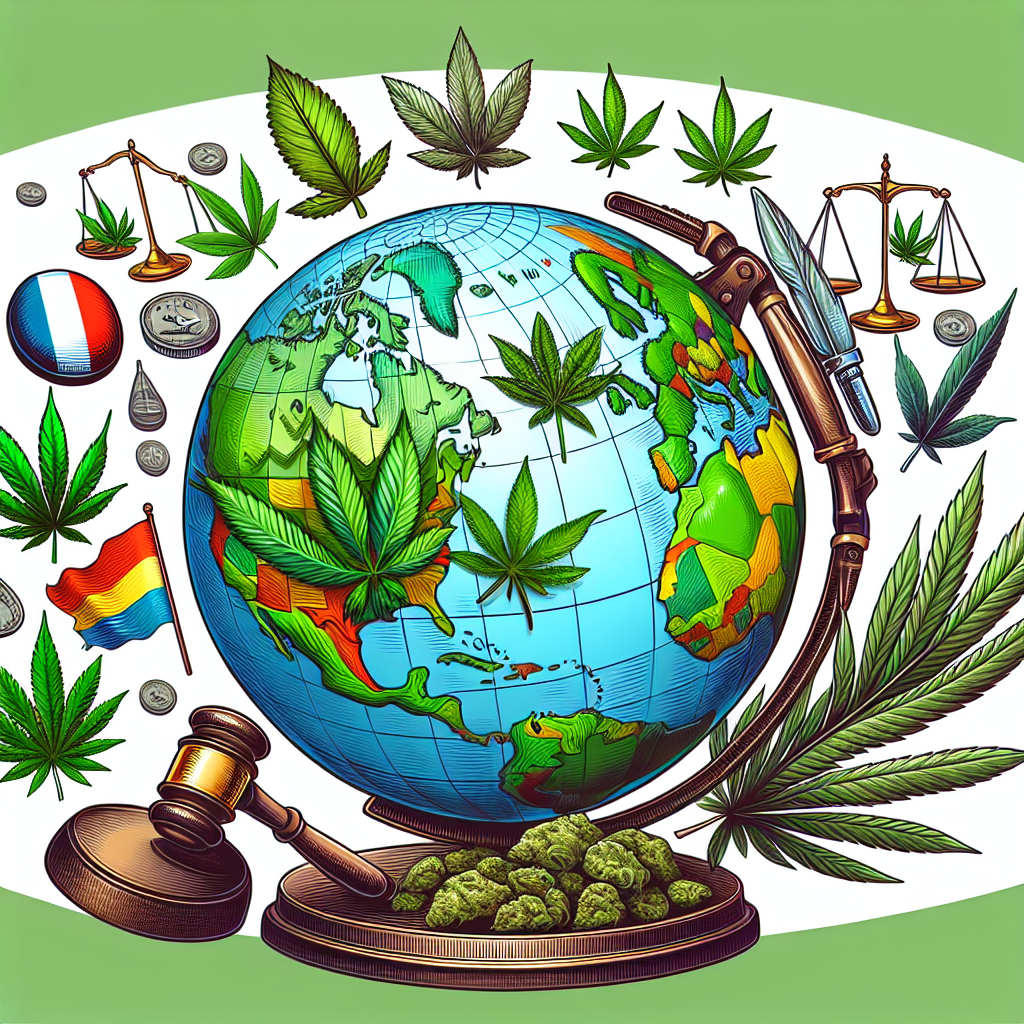
The global attitude towards cannabis continues to evolve as legalization efforts gain momentum around the world. The “Green Rush,” a term initially coined to describe the gold rush conditions characterized by the cannabis industry’s rapid growth, reflects both opportunistic business ventures and an ongoing reform in perceptions of cannabis usage. From medicinal applications to recreational use, various countries are embracing change, albeit at varying paces and regulatory frameworks. Here, we explore some of the latest updates in international cannabis legalization efforts.
North America: The Pioneer
In North America, Canada has long been at the forefront of cannabis legalization, becoming the second country in the world to legalize recreational cannabis in 2018. As of 2023, Canadian markets continue to grow, providing insights for other nations. Recent regulatory changes have expanded the availability of cannabis products, including edibles and beverages, enabling a vibrant and diverse market.
In the United States, the situation remains more complex. While cannabis remains illegal at the federal level, numerous states have legalized it for medical or recreational use. As of now, 21 states have legalized recreational cannabis. Recent movements towards federal legalization have regained traction. Legislation proposed in Congress indicates a possible shift in federal policy, promoting discussions about safe banking practices for cannabis businesses and addressing social equity in the industry.
Europe: A Patchwork of Progress
Europe’s cannabis landscape showcases a diverse spectrum of legalization efforts. The Netherlands is often recognized for its progressive stance, allowing for the sale of cannabis from licensed coffee shops. Meanwhile, Germany is making headlines as it progresses towards full legalization of recreational cannabis, with legislation anticipated to roll out in 2024. The government has emphasized patient access, local cultivation, and public safety as key elements in their approach.
Other nations, such as Spain and Portugal, are fostering an environment for cannabis clubs while conducting extensive research on its medical benefits. Additionally, the UK continues to grapple with limited medical access, although ongoing discussions hint at possible reforms. The European Union itself is considering a united approach, with a push towards collaboration among member states on cannabis regulations and research.
Latin America: Leading the Charge
Latin America has emerged as a significant player in the global cannabis landscape. Countries like Uruguay have set benchmarks by legalizing recreational cannabis in 2013, serving as a template for surrounding nations. Jamaica, too, has embraced cannabis reform, allowing for the cultivation and use of the plant for medicinal and religious purposes.
Mexico, a key player in the region, has also made strides towards legalization, with court rulings mandating the legalization of recreational cannabis. Although full legalization has been delayed by legislative inertia, the government remains committed, aiming to create a regulatory framework to manage the cultivation and commercialization of cannabis.
Asia: Cautious Steps Towards Change
Asia has traditionally maintained conservative stances on cannabis, yet some nations are beginning to reconsider. Thailand, known for its robust medicinal cannabis program, recently made headlines by becoming the first Southeast Asian country to decriminalize cannabis, promoting its usage for health and wellness. The government envisions cannabis as a part of agriculture, offering potential for local farmers.
In contrast, Japan continues to uphold strict anti-cannabis laws, yet conversations about reform are emerging, particularly surrounding medicinal applications. The evolving dialogue across the continent indicates a shift in perception that could lead to gradual policy changes.
Conclusion
The global green rush signals a transformative period for cannabis regulation and public perception, mirroring broader social change towards issues of personal freedom and public health. As various nations navigate the complexities of legalization, the experiences of leading countries will play a crucial role in shaping regulatory frameworks worldwide. The future looks optimistic, with growing awareness of cannabis benefits continuing to drive interest across demographics. However, ongoing advocacy for responsible use, social equity, and public health will be vital as the cannabis industry develops and matures.
FAQs
What are the main benefits of cannabis legalization?
Legalization can lead to increased tax revenue, job creation, and public health improvements through regulated sales, which can also reduce the illegal market.
Which countries have legalized recreational cannabis?
As of now, Canada, Uruguay, and several states in the USA have legalized cannabis for recreational use, with pending legislation in countries like Germany.
What are the potential challenges of cannabis legalization?
Challenges include regulatory complexities, health concerns, and ensuring equitable access, especially for marginalized communities affected by past criminalization.
[ad_2]