
 By
By [ad_1]
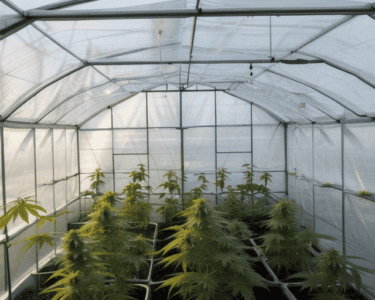
The cultivation of cannabis has evolved significantly in recent years, with growers increasingly turning to greenhouse environments to create optimal growing conditions. Combining the best of both indoor and outdoor cultivation, greenhouses offer numerous advantages in terms of climate control, resource efficiency, and natural pest management. In this article, we will explore the secrets to effectively cultivating cannabis in greenhouses, employing nature’s best practices to achieve robust plants and a bountiful harvest.
The Advantages of Greenhouse Cultivation
-
Controlled Environment: Greenhouses allow growers to control temperature, humidity, and light levels, essential factors for healthy cannabis growth. This environment helps prevent moisture-related diseases and pests, enabling cultivation year-round, regardless of outdoor weather conditions.
-
Natural Light Utilization: Greenhouse production harnesses natural sunlight, reducing the need for artificial lighting systems and lowering energy costs. However, supplemental lighting may be necessary during shorter days or in winter months to maintain appropriate growth cycles.
-
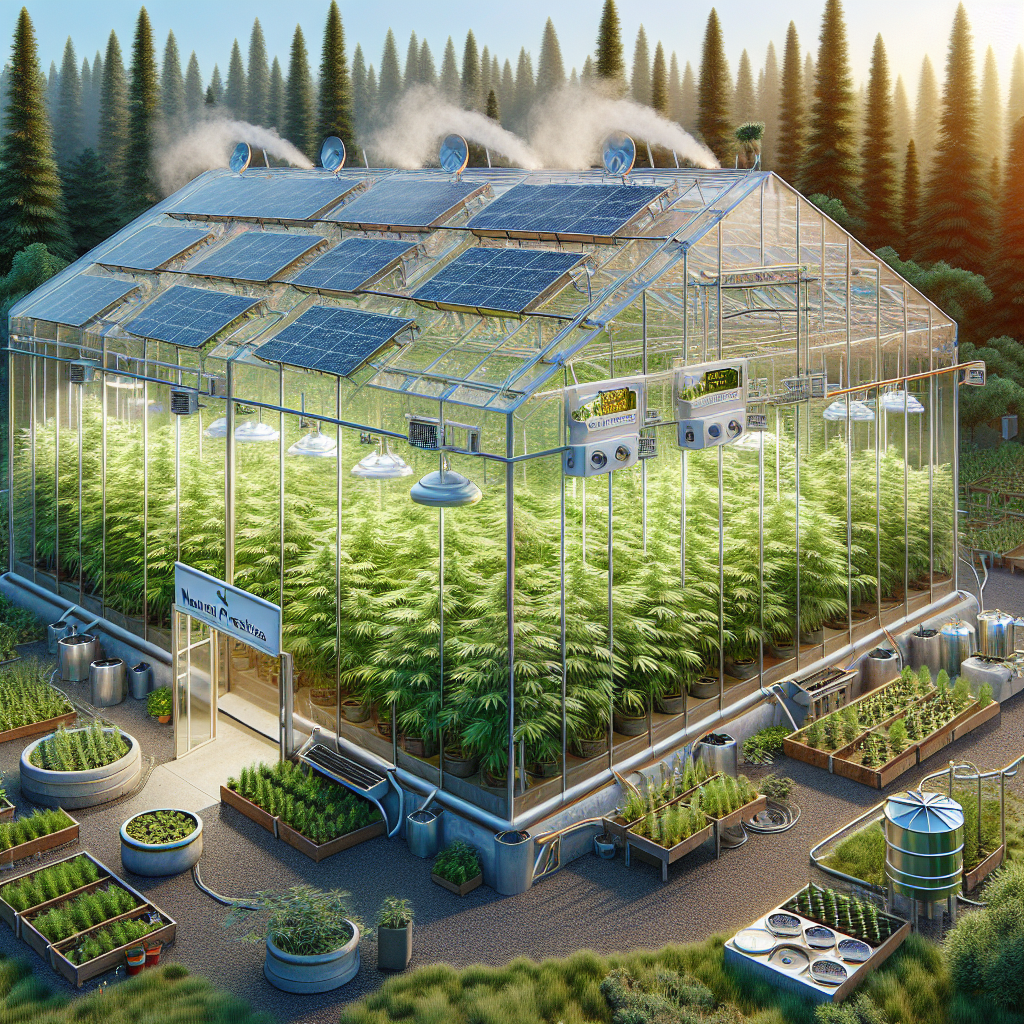
Water Efficiency: Greenhouses can be designed to incorporate rainwater collection systems and recirculating irrigation methods, ensuring a sustainable water supply. Utilizing hydroponic or aquaponic systems can further enhance nutrient delivery while minimizing water waste.
-
Integrated Pest Management (IPM): A greenhouse can support a diverse ecosystem that deters pests naturally. Beneficial insects, like ladybugs and lacewings, can thrive in this environment, reducing the need for chemical pesticides that can contaminate plants and the surrounding ecosystem.
- Social Responsibility: By employing environmentally friendly practices, such as organic fertilizers and renewable energy sources, growers can align their operations with sustainability and corporate social responsibility goals.
Best Practices for Cultivating Cannabis in a Greenhouse
Achieving a successful greenhouse cannabis operation requires attention to several key practices:
Choosing the Right Strains
Select cannabis strains that are best suited to greenhouse cultivation. Indicas generally require shorter flowering times and are often more resilient to environmental stressors, making them suitable for beginners. Sativas, on the other hand, tend to grow taller and may require more careful management of space and light.
Optimal Climate Control
Implement automated systems for managing temperature, humidity, and ventilation. Optimal cannabis growth typically occurs between 70-85°F (20-29°C) during the day and slightly cooler temperatures at night. Maintain humidity levels around 40-60%, as higher humidity can foster mold and mildew growth.
Soil Health and Nutrient Management
Invest in high-quality soil or substrate rich in organic matter. Composting can enhance soil health and improve nutrient retention. Employ organic fertilizers, such as fish emulsion or bone meal, to nourish plants without harmful chemicals. Regular soil tests can track nutrient levels and pH balance, enabling tailored fertilizer applications.
Pest and Disease Prevention
Promote a healthy greenhouse environment to discourage pest and disease prevalence. Implement companion planting techniques, where beneficial plants are included alongside cannabis to deter harmful insects. Regular monitoring and immediate removal of any infected plants can prevent the spread of diseases.
Pruning and Training Techniques
Implement pruning techniques such as topping, fimming, and low-stress training (LST) to enhance light penetration and air circulation while promoting bushier plant growth. This process discourages the growth of mold and mildew by enabling better airflow around the plants.
Proper Harvesting and Curing
Harvesting at the right time is crucial for maximizing the potency and flavor of the cannabis. Monitor trichome maturity using a jewelers’ loupe or microscope to determine the right time. After harvesting, it’s essential to cure buds in controlled conditions to enhance their aroma, taste, and potency.
Sustainable Practices for Greenhouse Cannabis
-
Renewable Energy Sources: Consider incorporating solar panels to power greenhouse operations, reducing carbon footprint and energy costs.
-
Organic Integrated Pest Management: Opt for natural pest control methods over chemical ones. Introduce predator species but also utilize natural oils and insecticidal soaps when necessary.
- Waste Reduction: Optimize plant waste recycling—turn excess plant materials into compost to enhance soil health.
FAQs
Q1: What is the best time to plant cannabis in a greenhouse?
A1: The best time to plant cannabis in a greenhouse varies by location but generally coincides with the start of the growing season in spring, when outdoor temperatures begin to rise.
Q2: How much light do cannabis plants need in a greenhouse?
A2: Cannabis plants typically require 12-18 hours of light per day, depending on their growth stage. Greenhouses can provide sufficient natural light; however, supplemental lighting may be needed during the winter months or cloudy days.
Q3: How can I manage pests organically?
A3: Use beneficial insects, such as ladybugs or predatory mites, and apply organic pesticides like neem oil. Regular monitoring for early signs of pest infestation can also help manage issues before they escalate.
Q4: Can I grow cannabis in soil and hydroponics in the same greenhouse?
A4: Yes, it’s possible to grow cannabis in both soil and hydroponic systems within the same greenhouse. However, managing distinct areas for each cultivation method may be necessary to optimize conditions for both.
Q5: What are the signs that cannabis plants are ready for harvest?
A5: Signature signs include the trichomes changing from clear to cloudy and then amber. Additionally, pistils (hairs) will begin to darken and curl back into the buds.
By adopting these best practices and understanding the unique benefits and challenges of greenhouse cultivation, budding cannabis growers can maximize their yields while fostering a more sustainable approach to farming. With nature’s best practices at the forefront, cultivating cannabis can be both profitable and environmentally responsible.
[ad_2]