 By
By [ad_1]
As the world hails the arrival of April 20th, or "4/20," the United States stands at the forefront of a cultural phenomenon that fuses cannabis celebration with social activism. Originating from a group of California teens in the 1970s, the term "420" has morphed into a comprehensive celebration of marijuana culture and a platform to advocate for legalization and de-stigmatization. This article explores the evolution of 4/20 celebrations in the U.S., the rituals associated with them, and how these festivities resonate on a global scale, particularly as attitudes toward cannabis continue to shift.
Origins and Evolution of 4/20
The 4/20 phenomenon began in the early ’70s in San Rafael, California, where a group of high school students, known as "The Waldos," would meet at 4:20 PM to consume cannabis. The term gradually spread, becoming synonymous with marijuana culture. As state laws began to shift, particularly in the last two decades, the significance of 4/20 evolved from a simple time to a full-blown cultural event.
By the mid-2010s, 4/20 had transcended its youthful roots to become a national celebration, complete with concerts, festivals, and gatherings across the country. In states where cannabis is legal, events are often organized in parks and public spaces, attracting thousands of participants. These gatherings range from peaceful coexistence and communal smoking to organized rallies advocating for legalization and social justice reforms, especially in communities disproportionately affected by drug policy.
Current Trends in 4/20 Celebrations
In recent years, the celebration of 4/20 has seen significant shifts, particularly in the wake of the COVID-19 pandemic. Virtual events gained popularity, as cannabis enthusiasts sought ways to engage safely. Companies and brands capitalized on this new normal, offering virtual tours, educational sessions, and online concerts, broadening the reach and accessibility of 4/20 celebrations.
Additionally, 2023 saw an unprecedented increase in corporate sponsorships and commercial involvement, highlighting a fusion of culture and commerce. Major cannabis brands used 4/20 to launch product lines and generate buzz, indicating a more mainstream acceptance of cannabis in American society. However, this commercialization has sparked debates among activists who argue that such trends threaten to dilute the grassroots spirit and social justice underpinnings of the celebration.
Rituals and Observances
The rituals associated with 4/20 are as diverse as the participants involved. From the traditional act of lighting up to more elaborate practices, observances are steeped in personal and cultural significance. Many celebrate by forming community circles, sharing stories, and fostering connections over shared experiences. These gatherings often prioritize inclusivity, inviting people from all walks of life, thus reinforcing the communal aspect of cannabis consumption.
Additionally, art and music play pivotal roles in 4/20 celebrations. Concerts featuring cannabis-friendly artists and art installations focused on cannabis culture have become common, turning 4/20 into a multifaceted cultural event. This blends the enjoyment of cannabis with artistic expression, strengthening community ties and forging new relationships. The sensory experience of 4/20—encompassing sights, sounds, and tastes—creates a unique atmosphere that goes beyond mere consumption to form a social movement advocating for equity and inclusivity.
Global Perspectives
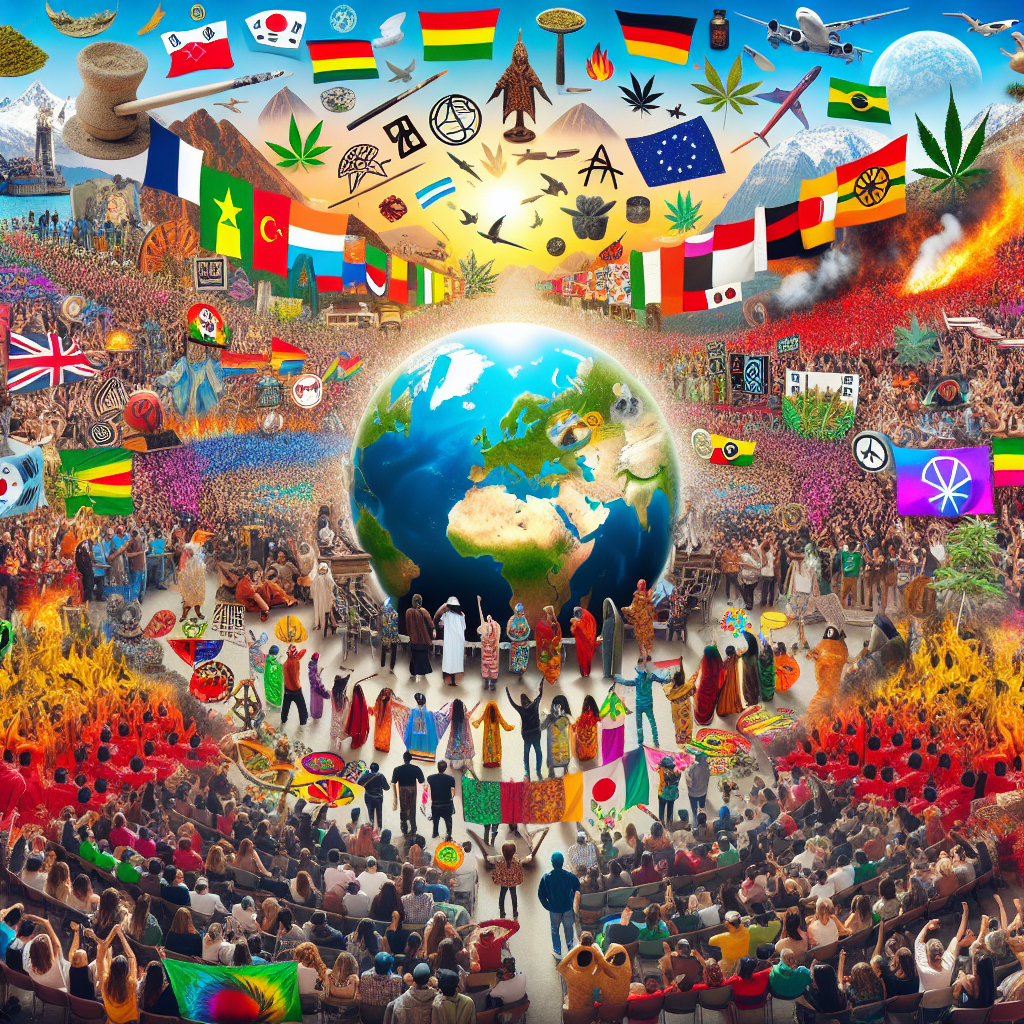
As the U.S. leads the way in cannabis culture, global perspectives reveal a tapestry of differing attitudes toward marijuana. Countries such as Canada, Uruguay, and several nations in Europe have embraced legalization, making their own 4/20 celebrations more defined and structured. In these places, 4/20 serves not only as a day of celebration but also as a reaffirmation of the legal status of cannabis.
Conversely, in countries where cannabis remains illegal, the observation of 4/20 can take a more rebellious tone. For advocates in such regions, the day becomes a rallying point for pushing back against prohibitive laws and the social stigma attached to cannabis use. Events held in secret or underground spaces reinforce the necessity for continued advocacy and highlight the stark contrasts in how cannabis culture is perceived worldwide.
Calls for Social Justice
As 4/20 garners increasing attention, discussions surrounding social justice have become more prominent. Many activists point out the disproportionate impact of cannabis prohibition on marginalized communities, emphasizing that the celebration should include a focus on reparative justice. Recent initiatives aim to ensure that those most affected by past drug policies have access to the emerging cannabis industry. This conversation is not merely an addition to 4/20 but rather an essential aspect that connects the celebration to broader social change.
Organizations and grassroots movements have emerged to educate participants about the importance of equity in cannabis legislation. These initiatives seek to direct the profits from legalization toward communities previously harmed by the War on Drugs, thereby turning 4/20 from a day of mere revelry into a call for accountability and progress.
Conclusion: A Day of Celebration and Reflection
As 420 celebrations continue to grow and evolve, they embody more than just the cultural acceptance of cannabis; they serve as a lens through which the broader societal implications of drug policy can be examined. The shift from a clandestine gathering to a mainstream celebration reflects changing attitudes, yet it also raises critical questions about commercialization, cultural appropriation, and social justice.
In a time where the conversation around cannabis is more vibrant than ever, participants are encouraged not only to celebrate but also to engage critically with the historical and social narratives surrounding cannabis. As we gather on 4/20, let us reflect on the progress made and the work still needed to create a world where cannabis is viewed not just as a recreational substance but as a substantive part of cultural and social identity, advocating for equity and justice on a global scale.
[ad_2]