
 By
By [ad_1]
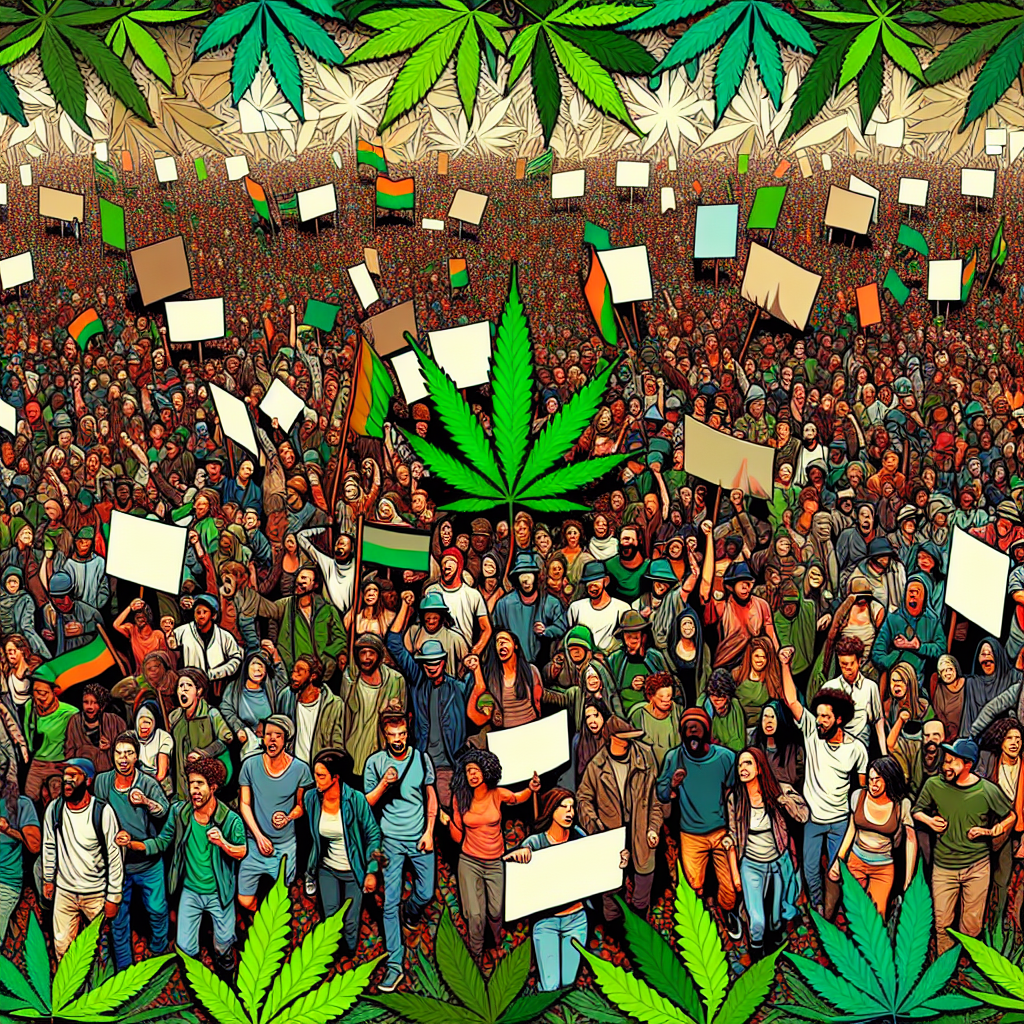
In recent years, grassroots movements have been pivotal in reshaping cannabis policies across the United States. These community-driven initiatives have not only influenced state legislation but have also propelled the national conversation toward comprehensive reform. As of September 2025, the landscape of cannabis advocacy reflects a dynamic interplay between local activism, political engagement, and evolving public sentiment.
One notable example is the Buffalo Cannabis Movement (BCM) in New York. Established in 2014, BCM has been at the forefront of advocating for the legalization and decriminalization of marijuana. Their efforts have included drafting legislation, organizing public meetings, and collaborating with various stakeholders to influence policy at both local and state levels. As of 2024, BCM remains active, working across New York, Pennsylvania, and other regions to advance their mission. (en.wikipedia.org)
Similarly, the Alabama Cannabis Coalition has been instrumental in challenging restrictive cannabis laws in the South. Founded by H. Marty Schelper, the organization has actively opposed legislation that criminalizes cannabis possession and use. In 2025, the coalition criticized a bill that classified the possession of smokable hemp products as a felony, highlighting the ongoing struggle against punitive drug policies in conservative states. (en.wikipedia.org)
On the political front, the Legal Marijuana Now Party (LMN) has emerged as a significant force advocating for cannabis legalization. Established in 1998, LMN has expanded its influence beyond Minnesota, gaining ballot access in Nebraska and participating in national elections. Their platform includes abolishing the Drug Enforcement Administration and legalizing hemp and marijuana, reflecting a comprehensive approach to drug policy reform. (en.wikipedia.org)
In June 2023, the U.S. Cannabis Council launched Legalize America, the nation’s first Super PAC dedicated to cannabis reform. This initiative aims to harness grassroots support to advance legislative changes at both federal and state levels. By leveraging political action committees, advocates seek to amplify their influence within the political arena, signaling a strategic evolution in the fight for legalization. (cannabisbusinesstimes.com)
Despite these advancements, opposition groups have intensified their efforts to counteract the momentum of cannabis legalization. Organizations like Protect Our Kids, established in 2022, have actively campaigned against the normalization of drug use, including cannabis. Their actions include opposing pro-legalization candidates and supporting legislation that reinforces prohibitionist policies. (en.wikipedia.org)
The National Cannabis Policy Summit, held annually in Washington D.C. since 2018, serves as a platform for activists, policymakers, and industry leaders to discuss and strategize on cannabis reform. The 2023 summit featured prominent speakers, including Senate Majority Leader Chuck Schumer, underscoring the growing political significance of the issue. (en.wikipedia.org)
State-level initiatives continue to reflect the impact of grassroots activism. In North Carolina, Governor Josh Stein formed a State Advisory Council on Cannabis in June 2025 to develop recommendations for regulating cannabis sales, including potential legalization. This move indicates a shift in traditionally conservative states, influenced by persistent advocacy efforts. (apnews.com)
However, the path to legalization is not without challenges. Anti-legalization groups have ramped up efforts to halt the progress of cannabis reform. In recent elections, several states voted against legalization measures, highlighting the ongoing debate and the need for continued advocacy. (reuters.com)
Organizations like the National Organization for the Reform of Marijuana Laws (NORML) have been instrumental in mobilizing support and influencing policy changes. Their grassroots activism has led to significant developments, such as halting controversial bills and advocating for patient rights in medical cannabis programs. (industryintel.com)
The Cannabis Unity Coalition, comprising various advocacy groups, organized a week of action in April 2025, including a press conference, lobby day, and a rally at the White House. This coordinated effort aimed to push for federal cannabis reform and address issues like the incarceration of individuals for cannabis-related offenses. (lastprisonerproject.org)
In conclusion, grassroots movements have been the driving force behind the evolving landscape of cannabis reform in the United States. Through persistent advocacy, political engagement, and public education, these organizations have challenged entrenched policies and shifted public opinion. As the nation stands at the crossroads of potential federal legalization, the role of grassroots activism remains crucial in shaping a future that reflects the will and welfare of its citizens.
[ad_2]