 By
By [ad_1]
Rising Trends in Cannabis Use Among Canadian Youth in the United States
The landscape of cannabis consumption among Canadian youth has undergone significant transformations in recent years. With the legalization of cannabis in Canada in 2018, there was an initial surge in usage among young adults. However, recent studies indicate a stabilization or even a decline in usage rates. This trend raises pertinent questions about the factors influencing cannabis consumption among Canadian youth, especially those residing in the United States.
The Canadian Context: Stabilization of Usage Rates
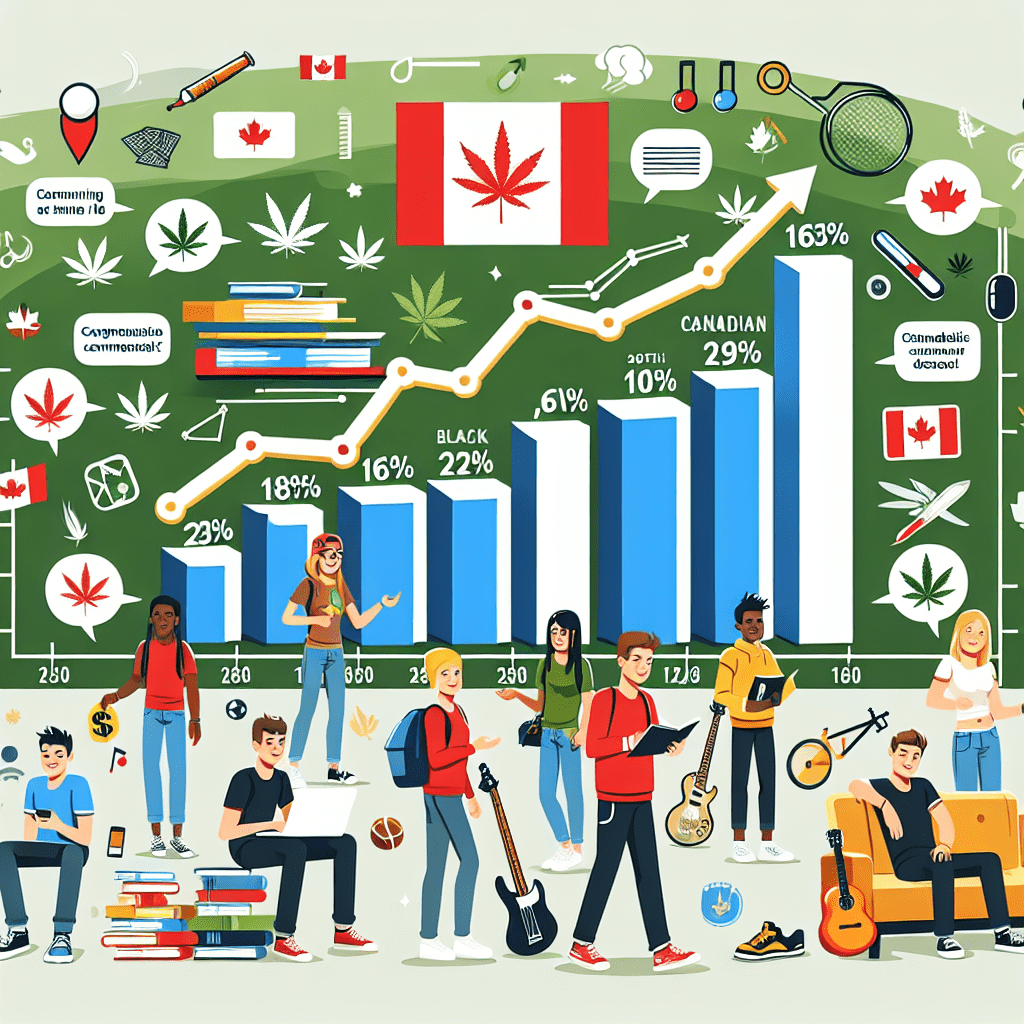
In 2023, the Canadian Cannabis Survey reported that 43% of youth aged 16 to 19 had used cannabis at least once in the past 12 months. This figure represents an increase from 37% in 2022 and 36% in 2018. However, it mirrors the rates observed in 2019 and 2020, suggesting a stabilization in usage patterns. (newswire.ca)
The survey also highlighted that daily or almost daily cannabis use remained consistent at approximately 20% among youth since 2018. This consistency suggests that while more young Canadians are trying cannabis, regular use has not escalated significantly. (newswire.ca)
Perceptions of Accessibility Post-Legalization
A notable shift has occurred in the perceived ease of accessing cannabis among Canadian youth. A study published in the Archives of Public Health found that the percentage of underage youth reporting that cannabis was easy to access decreased by 27% from 2018 to 2020. This decline suggests that legalization may have led to more regulated and less accessible cannabis distribution channels, potentially deterring underage use. (norml.org)
The U.S. Perspective: Stable Youth Consumption Rates
In contrast, data from the United States presents a different narrative. A study examining cannabis use among U.S. youth from 2013 to 2022 found that usage rates remained relatively constant over the years. Specifically, the prevalence of cannabis use among youth did not change significantly across the study period, indicating a stable trend in consumption. (pmc.ncbi.nlm.nih.gov)
Furthermore, a systematic review of longitudinal studies indicated that the legalization of recreational cannabis did not significantly impact adolescent usage rates. This suggests that factors other than legalization, such as cultural attitudes and peer influences, may play a more substantial role in shaping youth consumption behaviors. (norml.org)
Implications for Canadian Youth in the U.S.
For Canadian youth residing in the United States, these trends are particularly relevant. While Canadian youth have experienced a stabilization in cannabis use post-legalization, their American counterparts have maintained consistent usage rates. This parallel suggests that cultural and societal factors, rather than legal frameworks alone, significantly influence youth consumption behaviors.
Moreover, the perception of cannabis accessibility in Canada has decreased among youth, potentially due to stricter regulations and controlled distribution channels. In the U.S., the varying state-level legalization statuses and regulatory environments may contribute to differing perceptions and behaviors regarding cannabis use among youth.
Conclusion: A Complex Landscape
The landscape of cannabis consumption among Canadian youth, both domestically and in the United States, is multifaceted. While Canada has observed a stabilization in usage rates post-legalization, the U.S. has seen consistent patterns over the years. Perceptions of accessibility have declined in Canada, possibly due to regulatory measures, whereas such trends are less evident in the U.S.
These findings underscore the importance of considering a multitude of factors—legal, cultural, societal, and individual—in understanding youth cannabis consumption behaviors. As both countries continue to navigate the complexities of cannabis legalization and regulation, ongoing research and open dialogue remain crucial in shaping effective policies and support systems for youth.
In the evolving discourse on cannabis use among youth, it is imperative to recognize that while legal frameworks set the stage, cultural norms, societal attitudes, and individual choices play pivotal roles in shaping consumption patterns. A nuanced approach that considers these diverse factors will be essential in fostering informed decisions and promoting the well-being of young individuals across North America.
[ad_2]