
 By
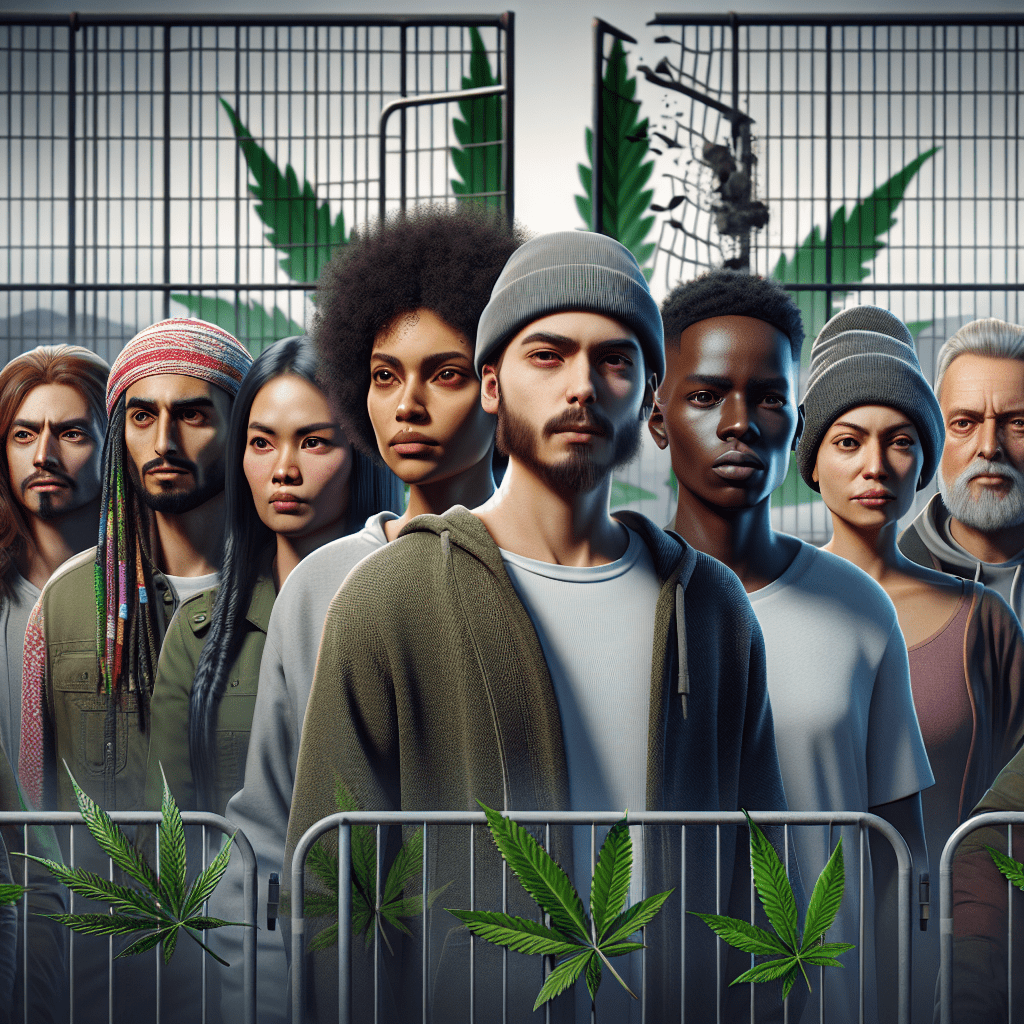
By Grassroots movements have been pivotal in advancing cannabis legalization across the United States, reflecting a significant shift in public opinion and policy. These community-driven efforts have led to substantial legislative changes, with numerous states enacting reforms to decriminalize or legalize cannabis use.
Historical Context and Early Advocacy
The modern cannabis reform movement gained momentum in the late 20th century, driven by activists advocating for medical marijuana and challenging the criminalization of cannabis. Organizations like the National Organization for the Reform of Marijuana Laws (NORML), founded in 1970, played a crucial role in educating the public and lobbying for policy changes. Their efforts laid the groundwork for the widespread acceptance and legalization of cannabis in subsequent decades.
Recent Legislative Milestones
In recent years, grassroots initiatives have led to significant legislative achievements:
-
- Maryland (2022): Voters approved Question 4, legalizing adult-use cannabis. The measure passed with over 1.3 million votes in favor, reflecting strong public support. (en.wikipedia.org)
- Maryland (2022): Voters approved Question 4, legalizing adult-use cannabis. The measure passed with over 1.3 million votes in favor, reflecting strong public support. (en.wikipedia.org)
-
- Ohio (2023): The “Regulate Marijuana Like Alcohol” initiative, known as Issue 2, was approved by voters, legalizing cannabis for adults aged 21 and over. The measure passed with over 2.2 million votes in favor. (en.wikipedia.org)
- Ohio (2023): The “Regulate Marijuana Like Alcohol” initiative, known as Issue 2, was approved by voters, legalizing cannabis for adults aged 21 and over. The measure passed with over 2.2 million votes in favor. (en.wikipedia.org)
-
- Eastern Band of Cherokee Indians (2023): A referendum passed with 70% support, legalizing recreational cannabis use on tribal lands, marking a significant step in indigenous sovereignty and self-governance. (en.wikipedia.org)
Challenges and Setbacks
Despite these successes, the movement faces challenges:
-
- Oklahoma (2023): State Question 820, aiming to legalize recreational cannabis, was rejected by over 60% of voters, highlighting ongoing resistance in conservative regions. (en.wikipedia.org)
- Oklahoma (2023): State Question 820, aiming to legalize recreational cannabis, was rejected by over 60% of voters, highlighting ongoing resistance in conservative regions. (en.wikipedia.org)
-
- Florida (2024): An amendment to legalize recreational cannabis faced significant opposition, with anti-legalization groups intensifying efforts to influence public perception and policy. (reuters.com)
Role of Grassroots Organizations
Grassroots organizations have been instrumental in these efforts, mobilizing communities, gathering signatures, and educating voters. Their work has been crucial in states like Ohio and Maryland, where public support translated into legislative change. In Florida, activists have been working to place legalization measures on the ballot, despite facing opposition. (en.wikipedia.org)
Emergence of Political Action Committees
In response to the growing influence of grassroots movements, political action committees (PACs) have been established to support cannabis legalization:
-
- Legalize America (2023): Launched as the nation’s first cannabis-focused Super PAC, it aims to advance reform in Congress and state capitals, leveraging grassroots support to influence policy. (cannabisbusinesstimes.com)
Impact on Public Opinion and Policy
The success of grassroots movements has significantly influenced public opinion, with a majority of Americans now supporting cannabis legalization. This shift has led to policy changes at both state and federal levels, including discussions on rescheduling cannabis and expunging past convictions. However, challenges remain, particularly in conservative states and at the federal level, where cannabis remains classified as a Schedule I substance. (reuters.com)
Conclusion
Grassroots movements have been central to the progress of cannabis legalization in the United States, demonstrating the power of community engagement in shaping policy. While challenges persist, the continued efforts of these organizations and the evolving public sentiment suggest a growing momentum toward comprehensive cannabis reform nationwide.
Recent Developments in Cannabis Legalization Efforts: